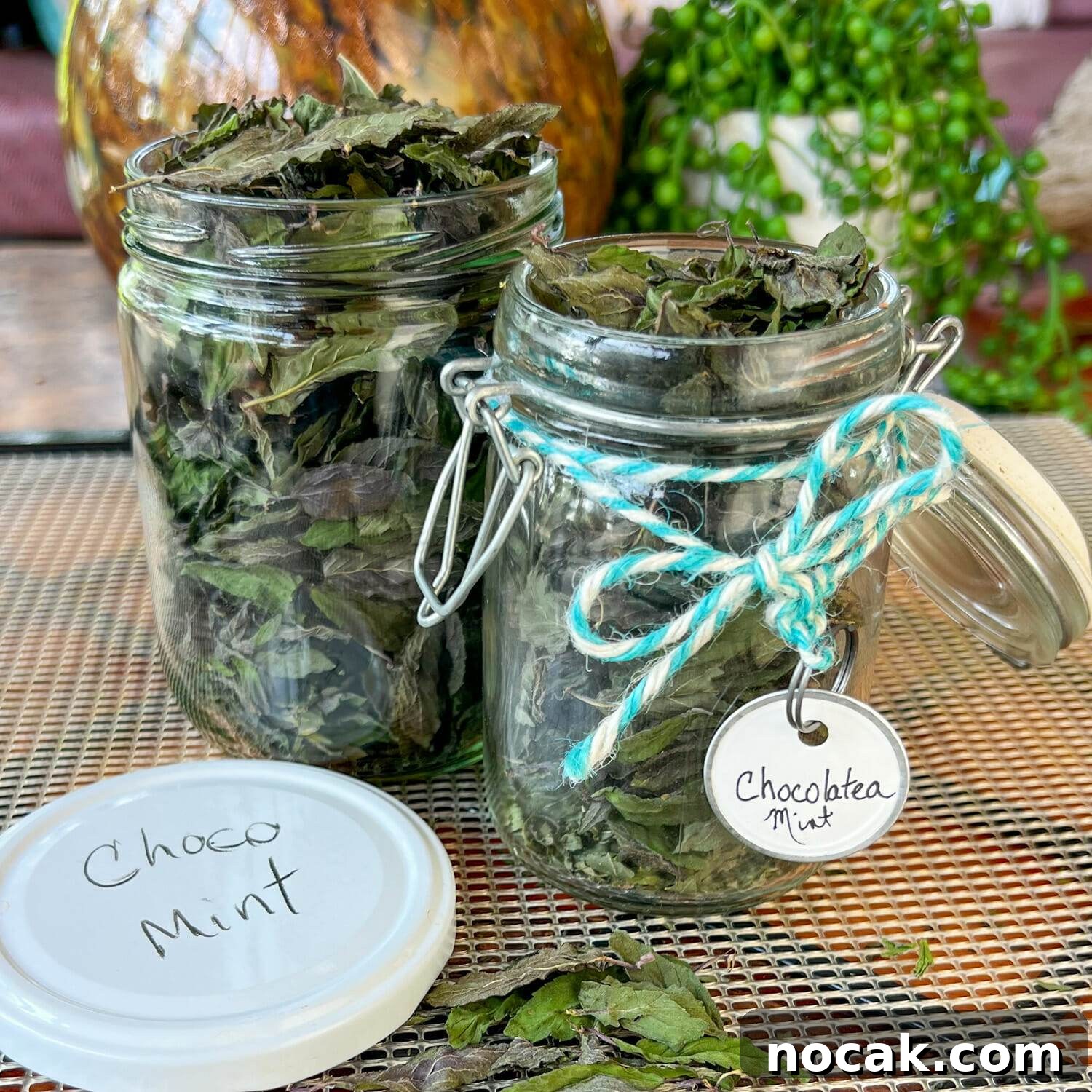
Drying mint in a dehydrator is a fast, reliable way to preserve the herb’s bright flavor and aroma. If you grow a lot of mint or harvest throughout the season, a dehydrator lets you process large quantities quickly and with consistent results. Below is a practical, step-by-step guide to get the best results when drying mint in a dehydrator.
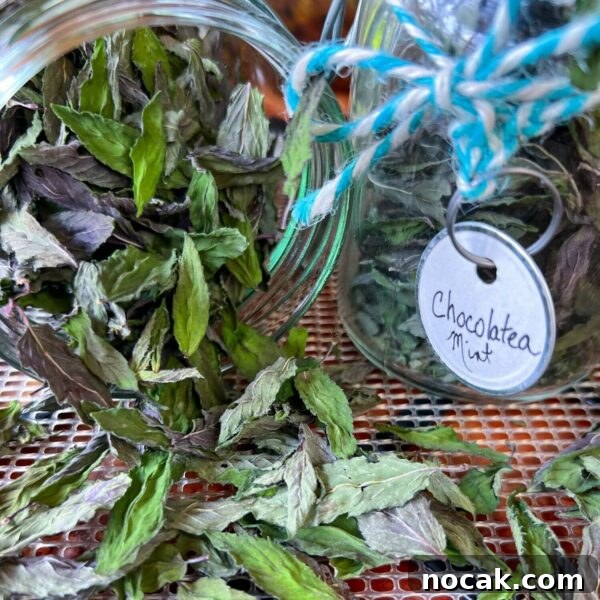
This method is one of several good options. You can also hang mint to air dry or dry small amounts in paper bags for a gentler pace. Choose the approach that fits your volume and equipment.
Why Use a Dehydrator for Drying Mint
A dehydrator delivers controlled temperature and airflow, creating ideal conditions to dry mint evenly while preserving its essential oils. Compared with air-drying or oven-drying, a dehydrator offers several clear benefits:
- Retains flavor and aroma: Gentle heat and steady airflow help preserve the mint’s volatile oils, so dried leaves retain that fresh, minty character.
- Preserves nutrition: The controlled, low-temperature drying helps protect vitamins, minerals, and antioxidants better than high-heat methods.
- Saves time and effort: Dehydrators automate the process, so you don’t need to constantly monitor or flip leaves as you would with air-drying or oven methods.
- Uniform drying: Consistent heat and circulation reduce the risk of uneven moisture, mold, or spoilage and produce a batch that’s uniformly dry and ready for storage.
For equipment suggestions and more on dehydrating, consult reputable guides or your dehydrator manual.
Picking and Preparing Fresh Mint Leaves
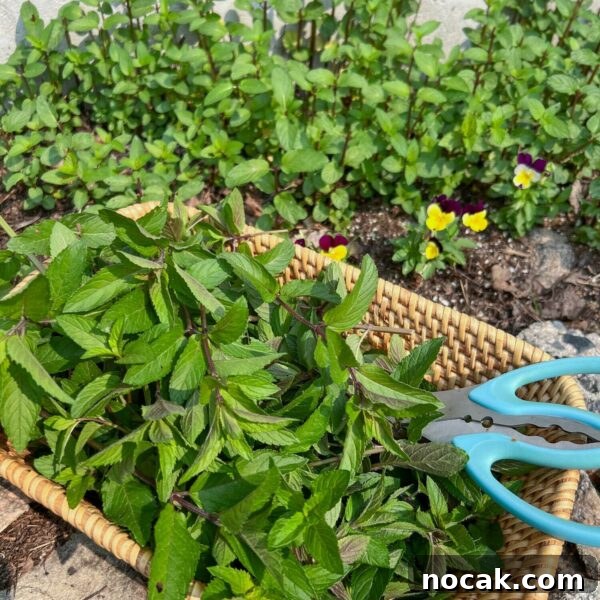
Harvest mint repeatedly through the season—early harvests are often the best because plants are less likely to have insect damage or stress from extreme weather. Frequent picking also encourages fresh new growth so you can collect more throughout the season.
Early-season harvests set you up with plenty of mint to dry and enjoy over the winter months.
When harvesting, cut stems just above a pair of leaves to promote healthy regrowth and avoid stripping entire stems.
Steps to Dehydrating Mint
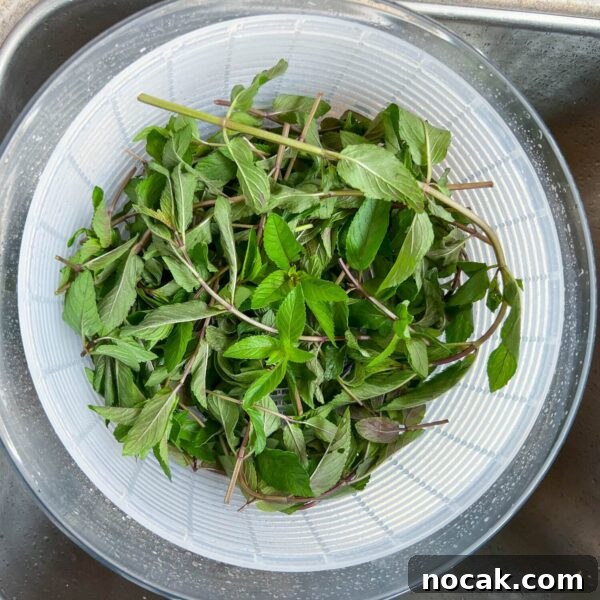
Step 1: Wash Mint
- Fill a bowl with cold water and gently swish the mint leaves to remove dirt, insects, and debris.
- Repeat until the water runs clear so the leaves are clean before drying.
Step 2: Dry Mint
- Remove surface moisture with a salad spinner or pat leaves dry with a clean towel.
- Surface drying helps prevent dark spots, reduces the risk of mold, and speeds dehydrator performance by minimizing steam inside the unit.
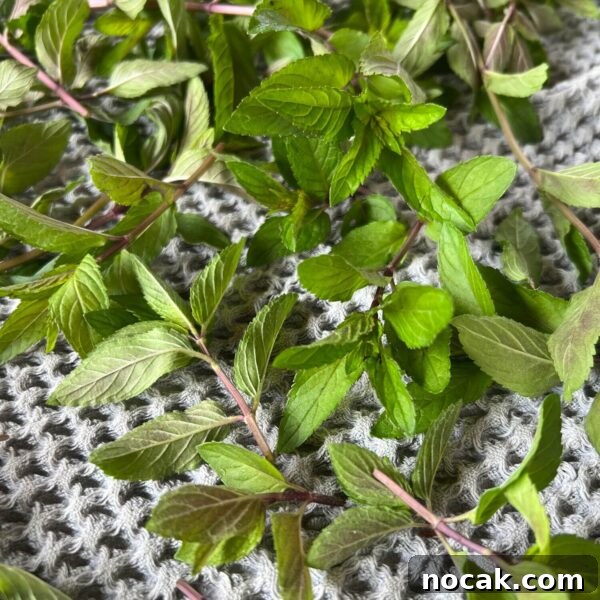
Step 3: Trim and Remove Stems
- Strip leaves from large stems so leaves dry evenly and more quickly.
- If you want to dry stems too, place them on a separate tray because they will take longer.
- Drying leaves and stems together can lead to over-dried leaves or under-dried stems; separate trays lower that risk.
Step 4: Keep Leaves Whole
- Leave leaves intact while drying to better preserve essential oils and flavor.
- Only crumble leaves just before use to retain aroma for longer storage life.
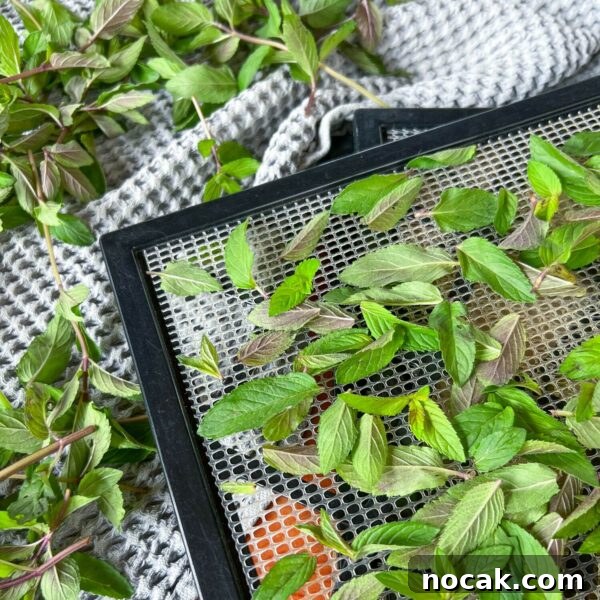
Step 5: Spread Out on Mesh Tray
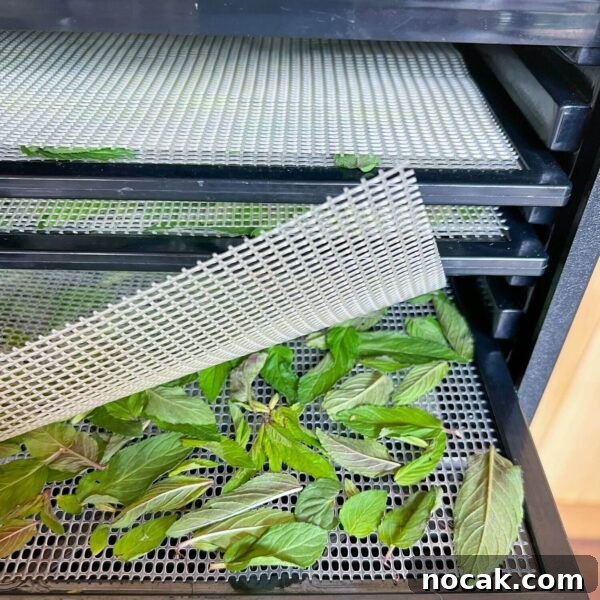
- Arrange leaves in a single layer on mesh trays to ensure good airflow around each leaf.
- Use multiple trays for large batches and cover the top with a mesh liner to keep small pieces from being blown around.
Step 6: Set Dehydrator
- Set your dehydrator to a low herb-friendly temperature—around 95°F (35°C).
- This gentle heat preserves aroma and flavor while drying leaves safely.
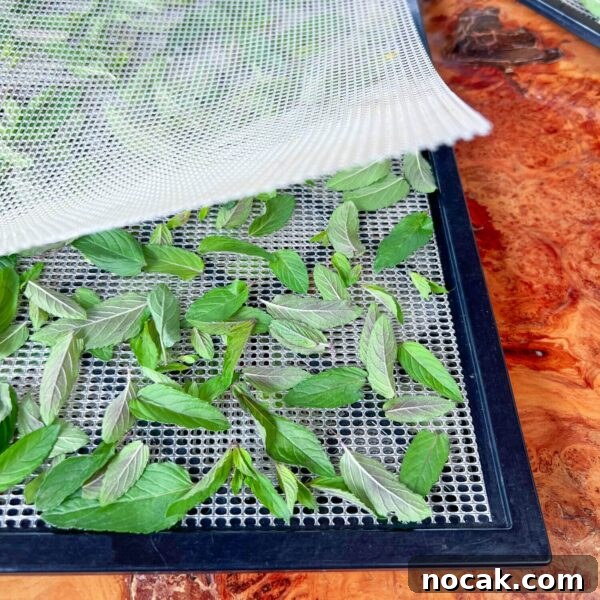
Step 7: Check for Dryness
- Begin checking after about 5 hours. Drying time varies with humidity, leaf thickness, and load size—expect anywhere from 5 to 12 hours.
- Properly dried leaves should be brittle and crumble easily. If they still bend, continue drying and check again periodically, rotating trays to ensure even drying.
Step 8: Store Dried Mint
- Let the dried mint cool completely before transferring to an airtight container to avoid trapping residual heat and moisture.
- Use a jar that’s only as large as necessary to minimize air exposure, which can degrade flavor and color over time.
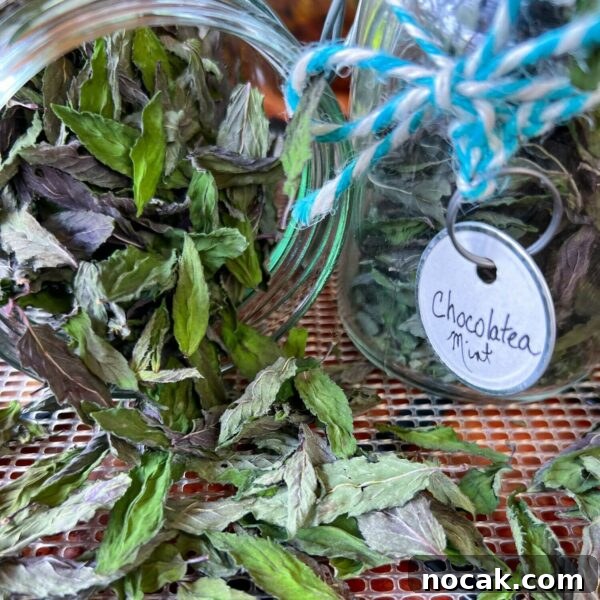
How to Store Dried Mint
Proper storage extends flavor and keeps dried mint usable for many months. Key tips:
- Keep leaves whole until ready to use to preserve essential oils.
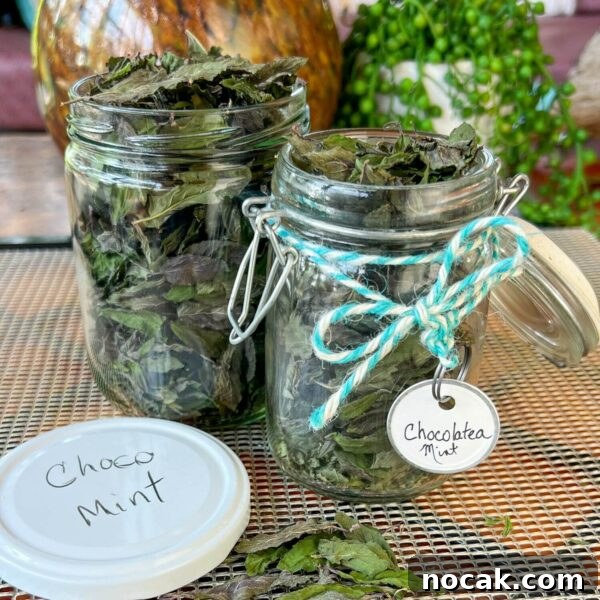
- Store in sealable glass jars that fit the amount of mint closely—avoid excess air space.
- Keep jars in a cool, dark, dry place with a consistent temperature.
- Only crush or crumble leaves right before using to maximize freshness.
- Use within one year for best flavor; properly stored dried mint remains safe beyond that but will gradually lose potency.
How to Use Dried Mint
Dried mint is versatile in sweet and savory recipes. Common uses include:
- Brewing hot or cold mint tea.
- Making herbal blends—mint pairs well with chamomile and lemon balm.
- Infusing water or simple syrups for drinks.
- Adding to rubs, marinades, and Mediterranean or North African dishes.
- Stirring into salads such as tabbouleh for a fresh note.
- Enhancing fruit salads and desserts with a minty accent.
- Adding to cooked peas, soups, stews, or grain dishes.
- Using in baking where mint complements chocolate or fruit flavors.
- Mixing into seasoning blends and dressings.
Recipe for Drying Mint in a Dehydrator
Using a Dehydrator to Dry Mint
Ingredients
- 8 cups fresh mint stalks
Instructions
-
Wash the mint and remove any blemished pieces.
-
Dry in a salad spinner or pat dry with a towel.
-
Remove leaves from stems. If drying stems, put them on a separate tray since they need more time.
-
Spread leaves evenly on a mesh tray and cover with a mesh liner to prevent movement during drying.
-
Set the dehydrator to 95°F (35°C) and dry for about 5 hours, then check and rotate trays. Continue drying until leaves are brittle and crumbly—total time often ranges from 5 to 12 hours depending on conditions.
-
Allow the dried mint to cool for a couple of hours, then transfer to an airtight container that closely fits the contents. Do not crush the leaves—keep them whole to retain flavor longer.
-
Store jars in a cool, dark, dry place.
Notes
Quantities are flexible—use what you have on hand.
Dry different mint varieties separately so you can enjoy their distinct flavors.
What’s your favourite way to use dried mint and which variety do you prefer? Chocolate mint is a lovely choice for tea and infusions, but many varieties bring unique notes to recipes.
If you’re unsure which mint variety you have, consider watching identification videos or guides that explain common types and their best uses.
Cook with the seasons, effortlessly! I’m Getty, a food educator and professional home economist focused on selecting, storing, and serving seasonal ingredients in simple everyday meals. Preserve your harvests thoughtfully and enjoy the best flavor year-round.