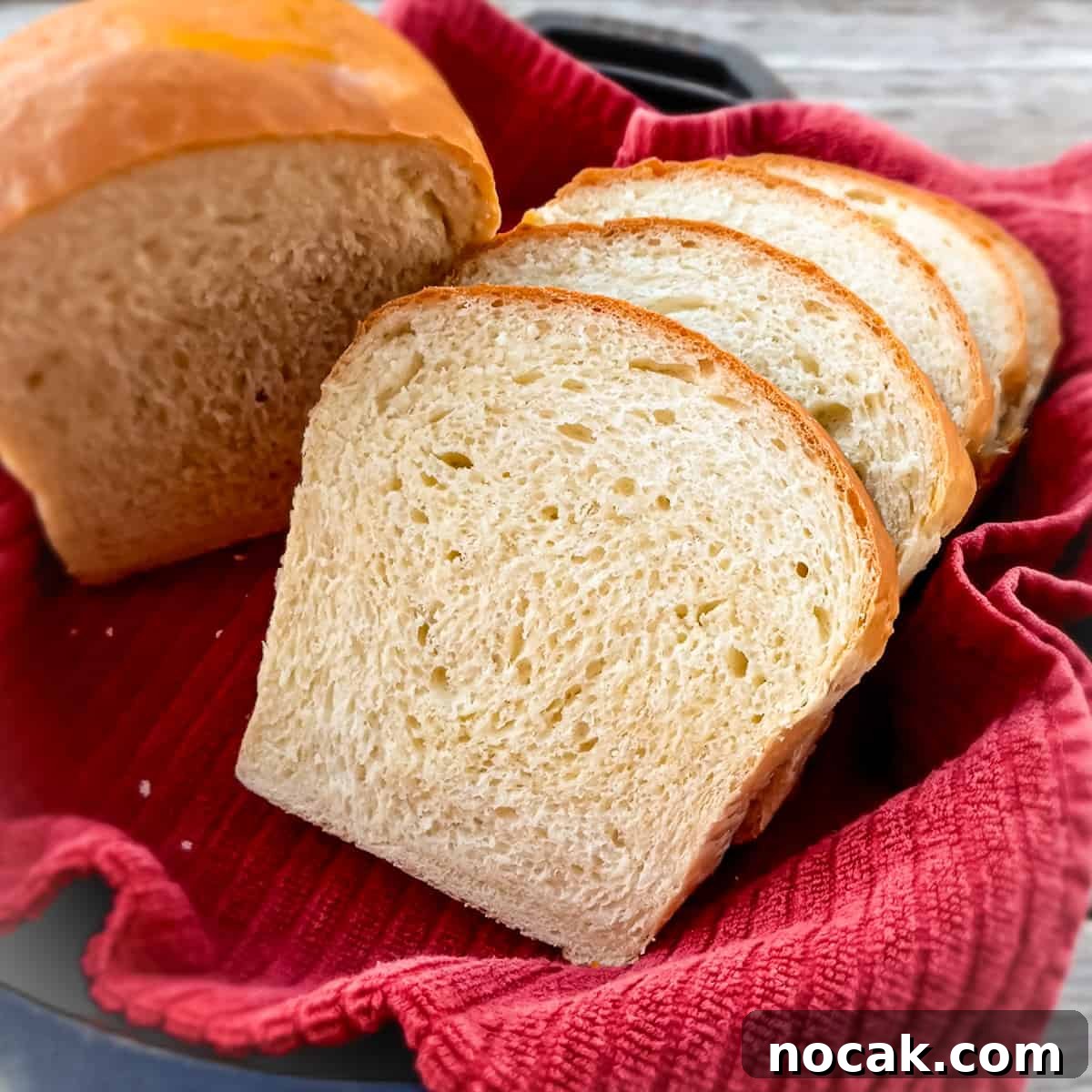
This Amish white bread recipe yields two soft, slightly sweet loaves with a tender, pillowy crumb. Mashed potatoes add extra moisture and an irresistible texture that surpasses store-bought bread. Each loaf bakes to a golden brown and fills the kitchen with the warm aroma of fresh, homemade bread.
Warm from the oven and spread with butter and honey, a slice is pure comfort. Homemade Amish bread is simple to make and perfect for breakfast, sandwiches, or enjoying on its own.
Why You’ll Love This Amish White Bread
- Soft & Tender Texture: Mashed potatoes keep the loaves moist and tender—ideal for sandwiches, toast, or fresh slices.
- Slight Sweetness: A touch of sugar makes each bite crave-worthy without being overly sweet.
- Classic Comfort: Made with simple ingredients and wholesome flavor you can’t buy at the store.
- Family Favorite: Great for everyday meals or weekend baking sessions.
Ingredients
- Active dry yeast mixed with 1 Tbsp. flour and 1 Tbsp. sugar: Activates before adding to the dough.
- Warm water (about 110°F): Activates the yeast and hydrates the flour.
- Sugar: Adds sweetness and feeds the yeast.
- Oil (or reserved chicken fat): Adds moisture and richness for a softer crumb.
- Mashed potatoes (or instant potato flakes + water): Improve moisture, tenderness, and shelf life.
- Salt: Balances flavor.
- White bread flour (or all-purpose): Provides structure; bread flour gives a firmer rise and chewier texture.
Easy Homemade Bread
Baking bread may seem intimidating, but this recipe is straightforward and forgiving. It works well with a stand mixer and the dough hook, but you can also mix and knead by hand. The recipe makes two loaves—perfect for sandwiches, French toast, or enjoying warm with butter and honey.
How to Make Amish White Bread
You don’t need a stand mixer—many Amish bakers knead by hand—but a mixer with a dough hook speeds the process. Follow these streamlined steps:
- Activate the yeast: Mix 1 Tbsp. flour, 1 Tbsp. sugar, and the yeast in a large bowl. Add warm water (about 110°F), stir, and let rest 5–10 minutes until foamy.
- Add remaining wet ingredients: Stir in sugar, oil (or chicken fat), mashed potatoes, and salt.
- Add flour and mix: Add 4½ cups of flour and mix with the dough hook or a sturdy spoon until combined.
- Knead: On low speed, slowly add more flour until the dough begins to pull away from the bowl. Increase speed slightly and knead a few minutes; add flour as needed. The dough should be cohesive and only slightly tacky—some bottom sticking is fine.
- Grease the bowl: Drizzle a little oil around the dough or transfer it to a well-oiled bowl.
- First rise: Cover loosely with a dish towel or plastic wrap and let rise at room temperature for about 1 hour, or until nearly doubled.
Kneading Bread Dough by Hand
If kneading by hand, mix the ingredients to combine, then turn the dough onto a lightly floured surface and knead, adding small amounts of flour until the dough is smooth and elastic. Knead for several minutes until the dough springs back when pressed. The process is the same conceptually as using a mixer—just more elbow grease.
Forming Bread Loaves
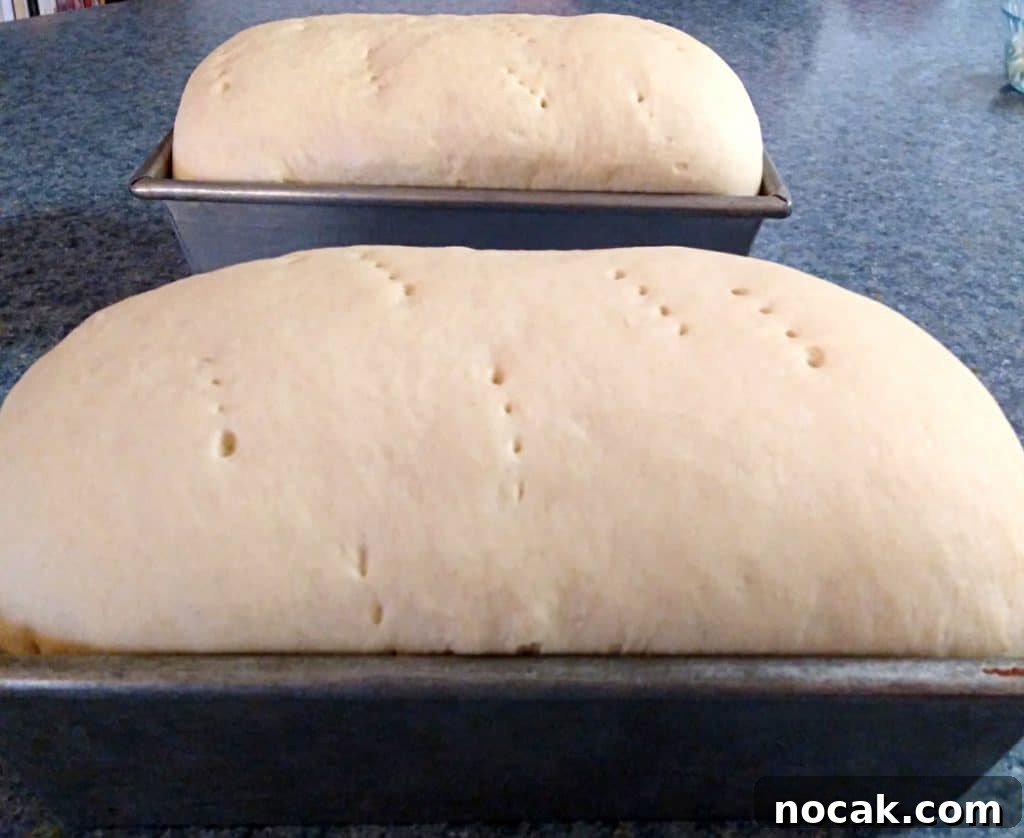
Grease two 9×5-inch loaf pans with nonstick spray or butter. Punch down the risen dough and knead briefly to release air. Divide the dough in half. Shape each portion into a smooth loaf by folding the dough under and sealing the seams. Lightly poke the tops with a fork to release trapped air and place them in the prepared pans.
Cover loosely and let rise in a warm spot for 30–40 minutes, until the center of each loaf is roughly ½ to 1 inch above the rim of the pan.
Baking Bread – How Can I Tell When It’s Done?
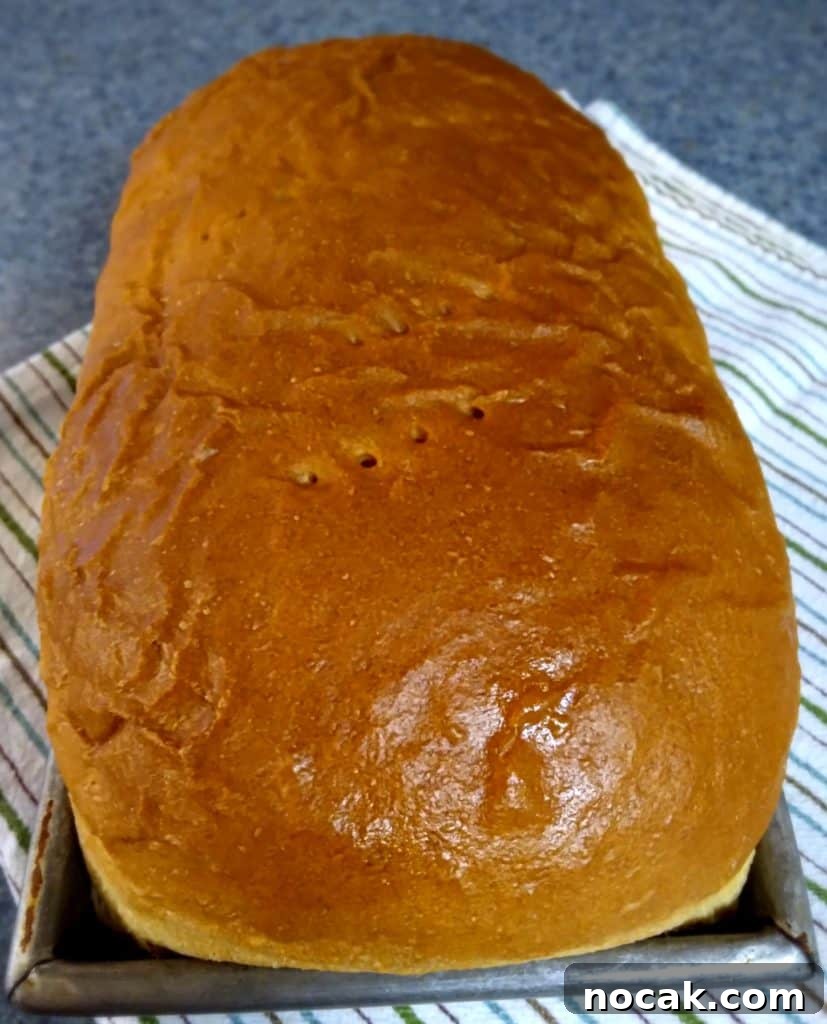
Preheat the oven to 350°F. Bake the loaves 30–35 minutes, or until the tops are golden brown. A few reliable doneness checks:
- The loaf releases from the pan with a gentle upward jerk.
- Internal temperature reaches about 190°F.
- The loaf sounds hollow when tapped on the bottom.
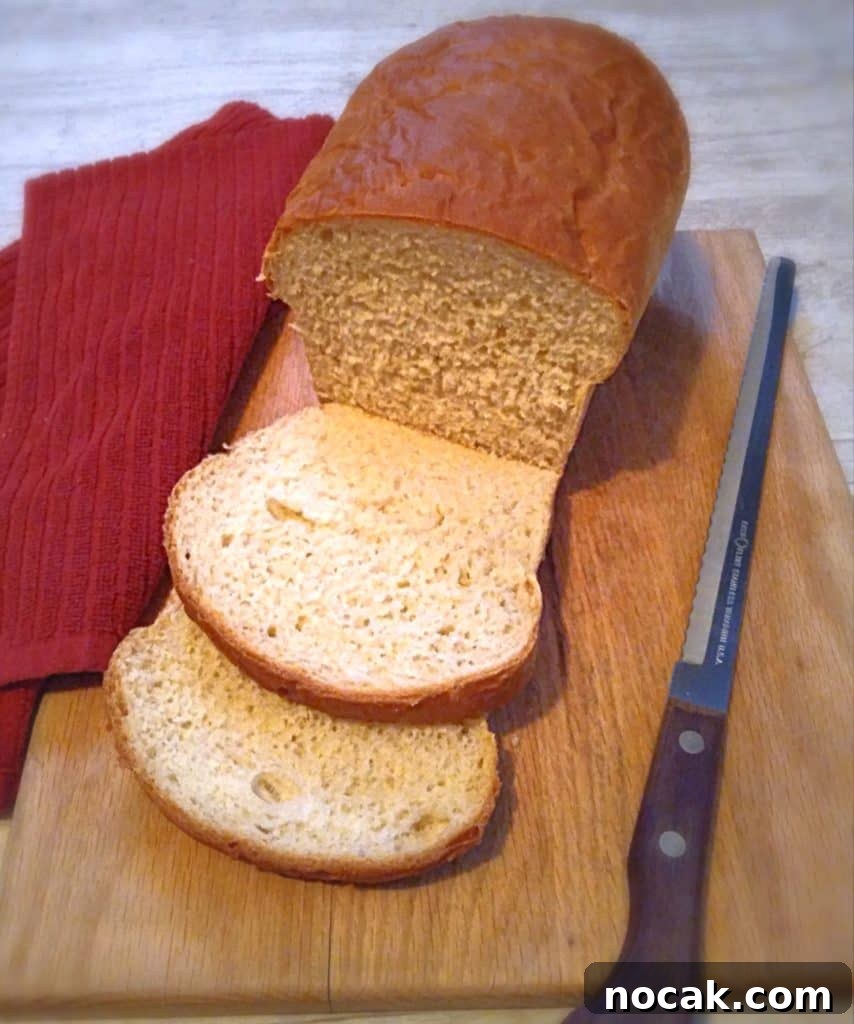
Remove the pans from the oven and let the loaves rest in them for about 10 minutes. Brush the tops with butter for a soft, flavorful crust, then transfer to a cooling rack or towel to finish cooling. Slice carefully with a serrated knife to avoid squashing the warm loaf.
Enjoy warm slices spread with butter and honey. This bread is especially irresistible fresh from the oven and makes an excellent staple for family meals.
Storing Homemade Bread
To keep homemade bread moist, you can bag it while still slightly warm. Store at room temperature for a few days; because homemade bread lacks preservatives, it will dry out or mold sooner than commercial loaves. Freeze any portions you won’t use within 3–4 days. I recommend freezing whole loaves when possible for better texture—wrap tightly in freezer bags or airtight containers. Thaw at room temperature about an hour before slicing.
For smaller households, slice and portion before freezing so you can thaw only what you need. Refrigeration can extend shelf life but may dry the bread faster than freezing.
Frequently Asked Questions
Yes. All-purpose flour works fine; bread flour gives a slightly better rise and chewier texture.
Yes. Mashed potatoes add extra moisture and a softer crumb, but you can omit them or replace with a bit of milk for hydration. The bread will still be tasty.
Yes. Wrap airtight and freeze up to about 2 months. Thaw before slicing for best texture.
The mashed potatoes and straightforward method produce a tender, melt-in-your-mouth crumb. It’s easy, flavorful, and ideal for sandwiches, toast, or enjoying fresh.
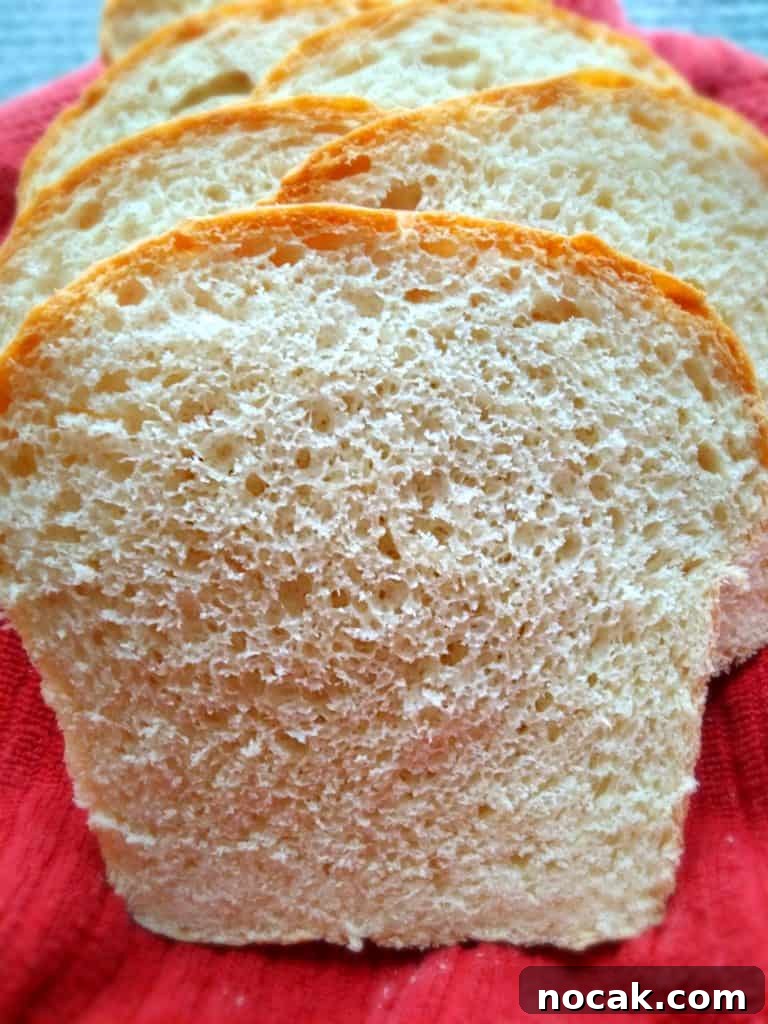
Old-Fashioned Amish Bread
Homemade white bread is a staple in many Amish homes. Many families baked bread weekly and served it with butter and jam or apple butter. Once you try this soft Amish bread, you may prefer it to commercial loaves.
This white bread is a favorite for everyday use, and variations like honey wheat, oat, or cinnamon swirl breads can be made from similar doughs.
More Amish Bread Recipes
- Easy Moist Amish Cornbread
- Amish Zucchini Bread with Pineapple
- Amish Friendship Bread
- Apple Bread
- Pumpkin Bread
- Banana Bread
- Cranberry Walnut Bread
There is nothing like the smell of fresh, warm bread straight from the oven. This Amish white bread delivers every time: soft, slightly sweet, and tender thanks to the mashed potatoes. Follow the simple steps and you’ll have a loaf that rivals bakery bread. If you try this Amish bread recipe, please leave a comment and rating—enjoy!
📖 Recipe Card
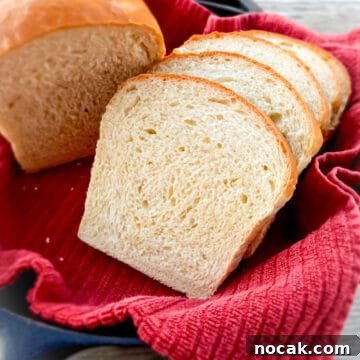
Amish White Bread Recipe
Ingredients
- 1 ½ Tbs. active dry yeast, mixed with 1 Tbs. flour and 1 Tbs. sugar
- 2 c. warm water (about 110°)
- ⅓ c. sugar
- ⅓ c. canola or vegetable oil (or chicken fat)
- ½ c. mashed potatoes (or ⅓ c. instant potato flakes mixed with approx. ⅓ c. water)
- 2 ½ tsp. salt
- 5–6 c. white bread flour or all-purpose flour
Instructions
- Mix 1 Tbsp. flour, 1 Tbsp. sugar, and the yeast in a large bowl. Add warm water, stir, and rest about 5–10 minutes until foamy.
- Once bubbly, add oil, sugar, mashed potatoes, and salt; stir to combine.
- Add 4½ cups of flour and mix. Continue kneading on low speed, slowly adding more flour as needed until the dough pulls away from the bowl and feels cohesive.
- Knead a few more minutes on speed 2 (or by hand) until smooth. Drizzle a bit of oil in the bowl to coat the dough and grease the sides.
- Cover and let rise about 1 hour, until nearly doubled.
- Grease two 9×5-inch loaf pans. Punch down the dough, divide in half, shape into loaves, and poke tops to release air.
- Place loaves in pans, cover, and let rise 30–40 minutes until slightly above the pan edges.
- Preheat oven to 350°F. Bake 32–36 minutes (time varies with pan thickness) until golden and done.
- Brush tops with butter, let cool in pans about 10 minutes, then remove and finish cooling on a rack. Slice and enjoy.
- Store in airtight bags; freeze any loaf you won’t use within 3–4 days.
Video
Notes
Potatoes are optional but recommended for a softer crumb.
If you don’t have bread flour, all-purpose works; bread flour gives a slightly better texture.
Bag the bread while slightly warm to retain moisture. Freeze what you won’t use within 3–4 days and thaw about an hour before slicing.
*Nutrition is approximate.
Nutrition
Calories: 347 kcal
Carbohydrates: 63 g
Protein: 9 g
Fat: 6 g
Let us know how it was!