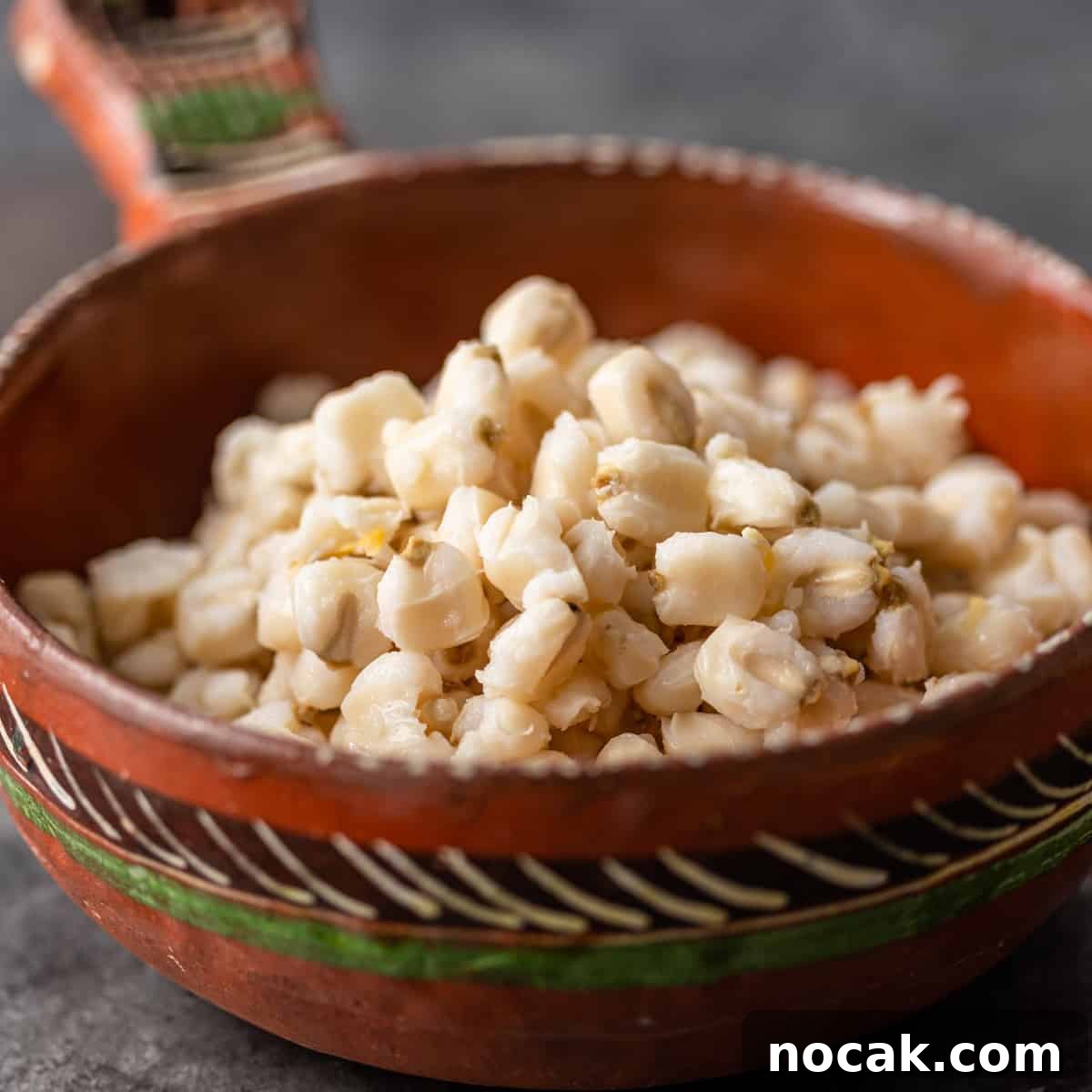
Hominy — what is it, where does it come from, what does it taste like, how do you cook it, and what pairs well with it? Below you’ll find clear answers and practical tips for using this versatile ingredient.
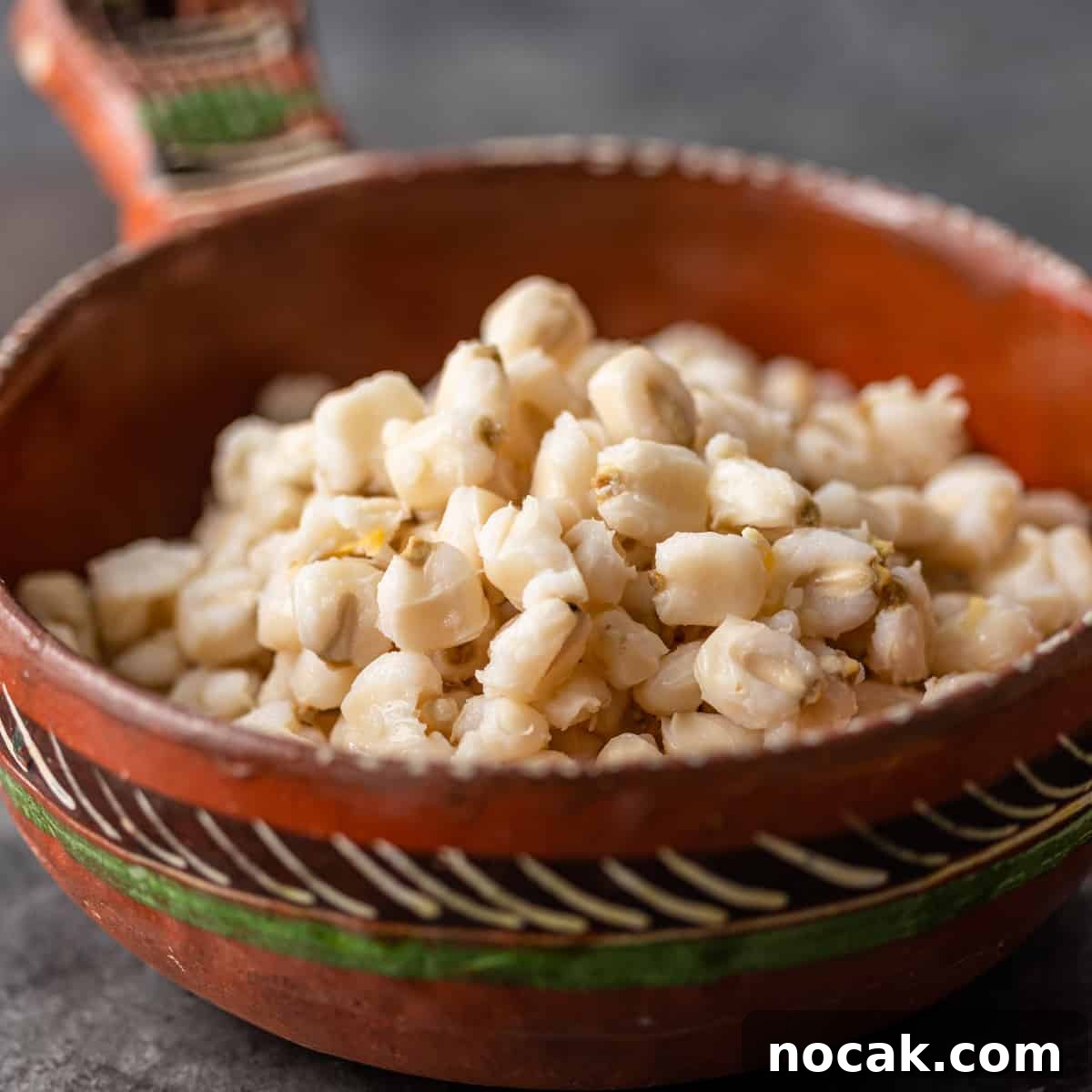
Hominy appears regularly in Mexican, Tex‑Mex, and Southwestern-American cooking. At first glance it looks like oversized corn kernels because, technically, it is made from corn. The kernels undergo a traditional process that transforms their texture, flavor, and nutritional profile, making them easier to cook with and digest.
Considered a grain, hominy is essential in classic grits and is also used for corn tortillas and some cereal products. It can turn up in soups, stews, casseroles, and breakfast dishes. Some cooks prefer hominy to regular corn for its richer, nuttier taste and satisfying texture.
What Is Hominy?
Hominy — sometimes called hominy corn — is made from field corn (maize) and comes in white or golden yellow varieties. You’ll find it in cornmeal, tortillas, corn flakes, and other corn-based foods. Unlike sweet corn, hominy is not eaten on the cob. If you’ve enjoyed traditional grits, you’ve already had hominy.
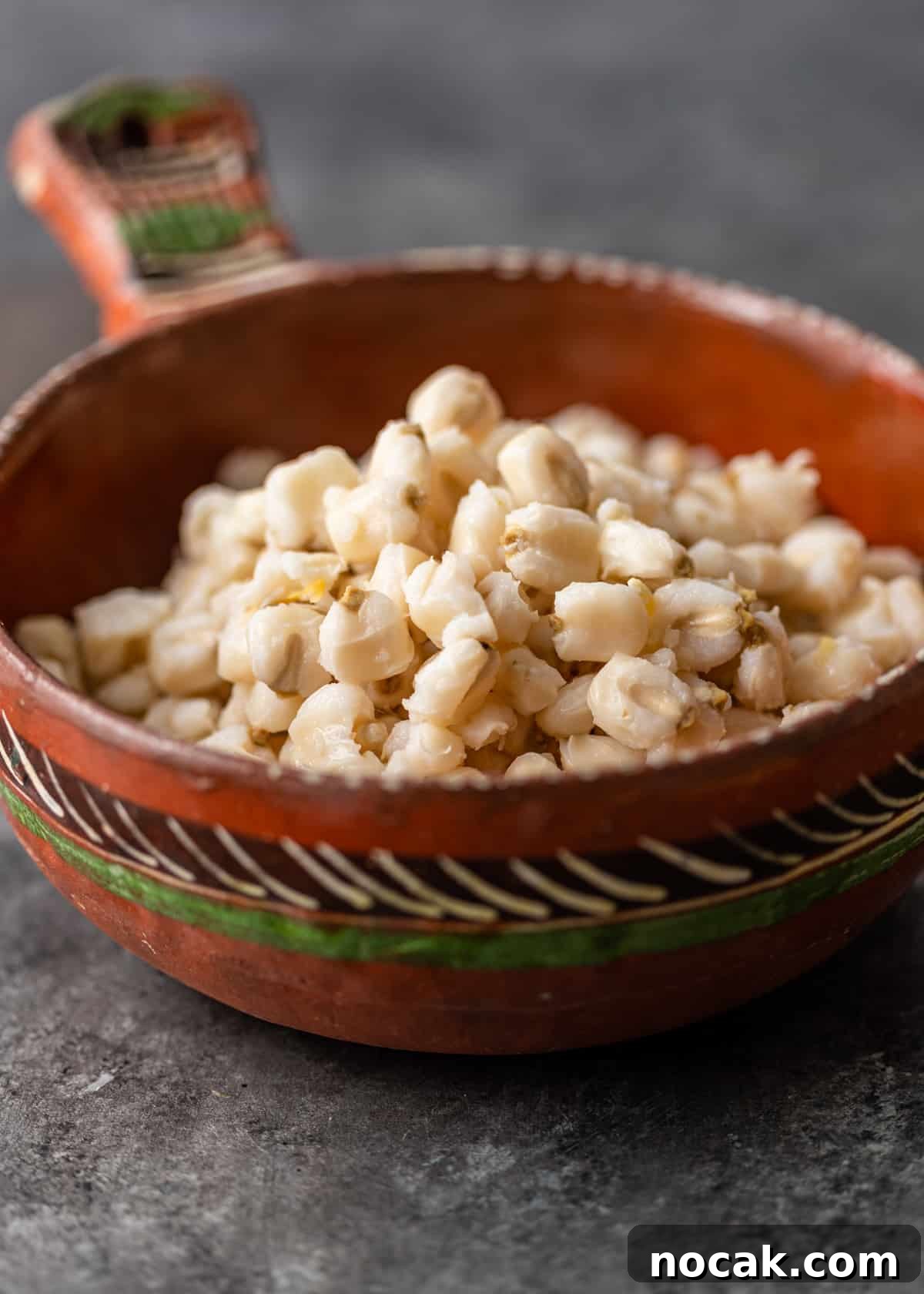
Uncooked hominy kernels are noticeably larger than typical sweet corn kernels, often about the size of a penny. They have a puffed, tender texture and don’t get stuck in your teeth like corn on the cob. Hominy is naturally gluten-free and, due to its production method, contains more niacin (vitamin B3) than regular corn.
This grain has been produced in Mexico for thousands of years. Below is a brief look at how it’s made and why it differs from ordinary corn.
Difference Between Corn and Hominy
Hominy is corn that has undergone nixtamalization, a traditional treatment that changes the grain’s structure. Nixtamalization is an ancient Mesoamerican technique (the term comes from Nahuatl) that involves soaking dried corn in an alkaline solution, most commonly made with calcium hydroxide derived from lime, lye, or wood ash.
This process loosens and removes the outer husk, alters protein and carbohydrate structures, and releases nutrients, which improves digestibility and flavor. The result is a tender, flavorful kernel that can be ground into masa (hominy flour) for tortillas and other preparations. Ground hominy has binding properties in water that make it ideal for doughs like tortilla masa.
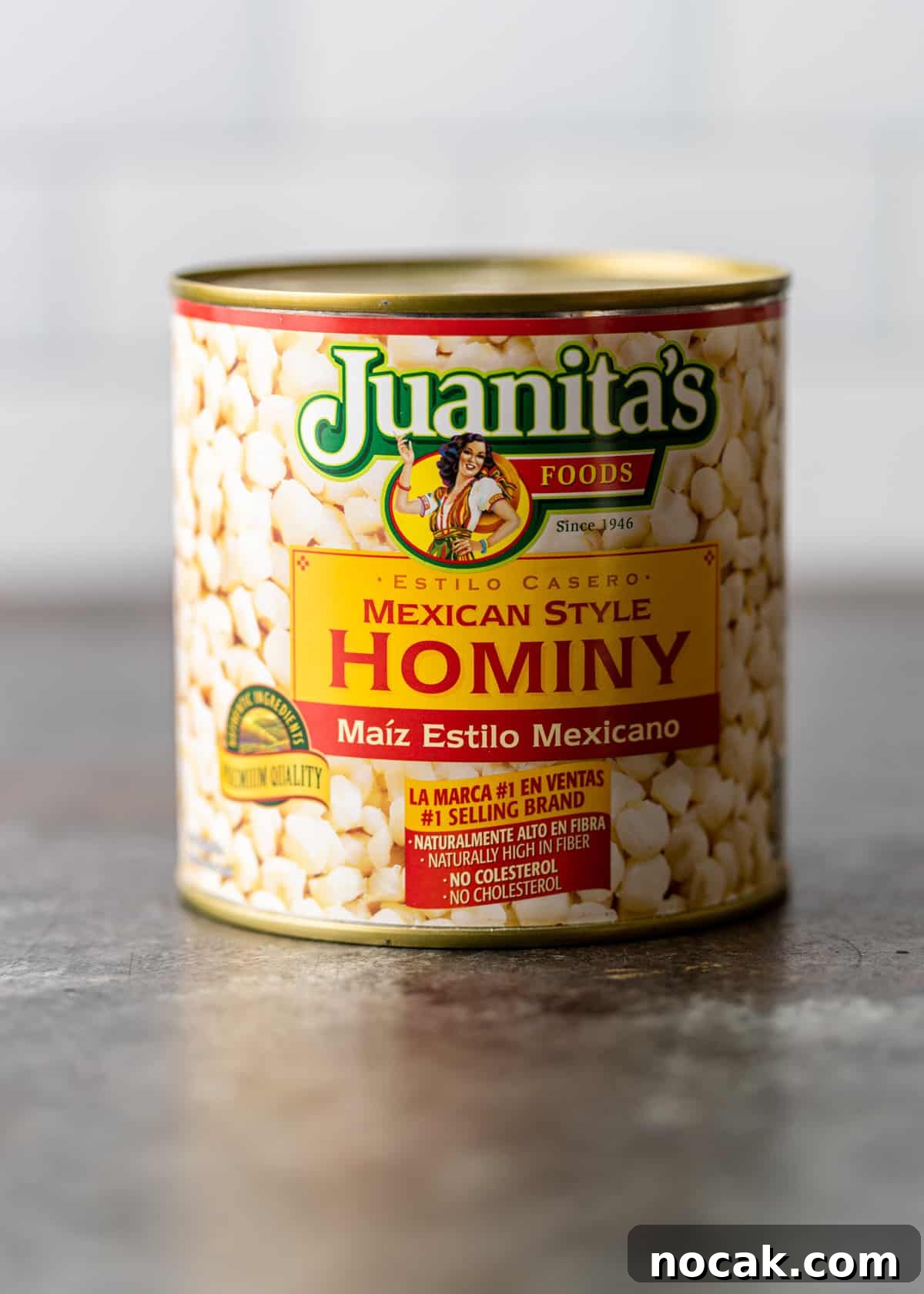
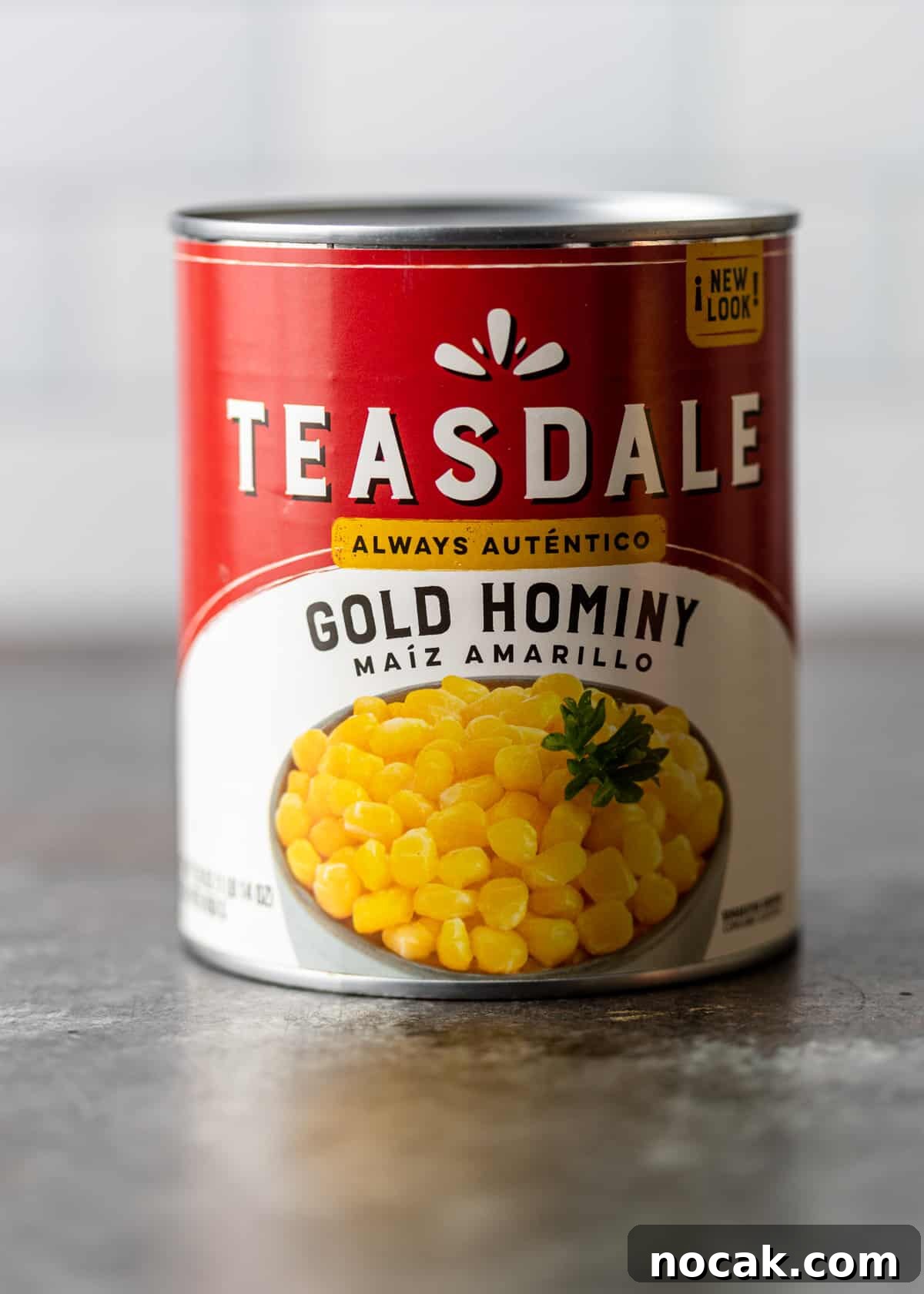
Most shoppers buy commercially prepared hominy rather than making it at home. It’s widely available in cans and as dried or ground products suitable for grits, tortillas, tamales, and more.
Ways To Use Hominy
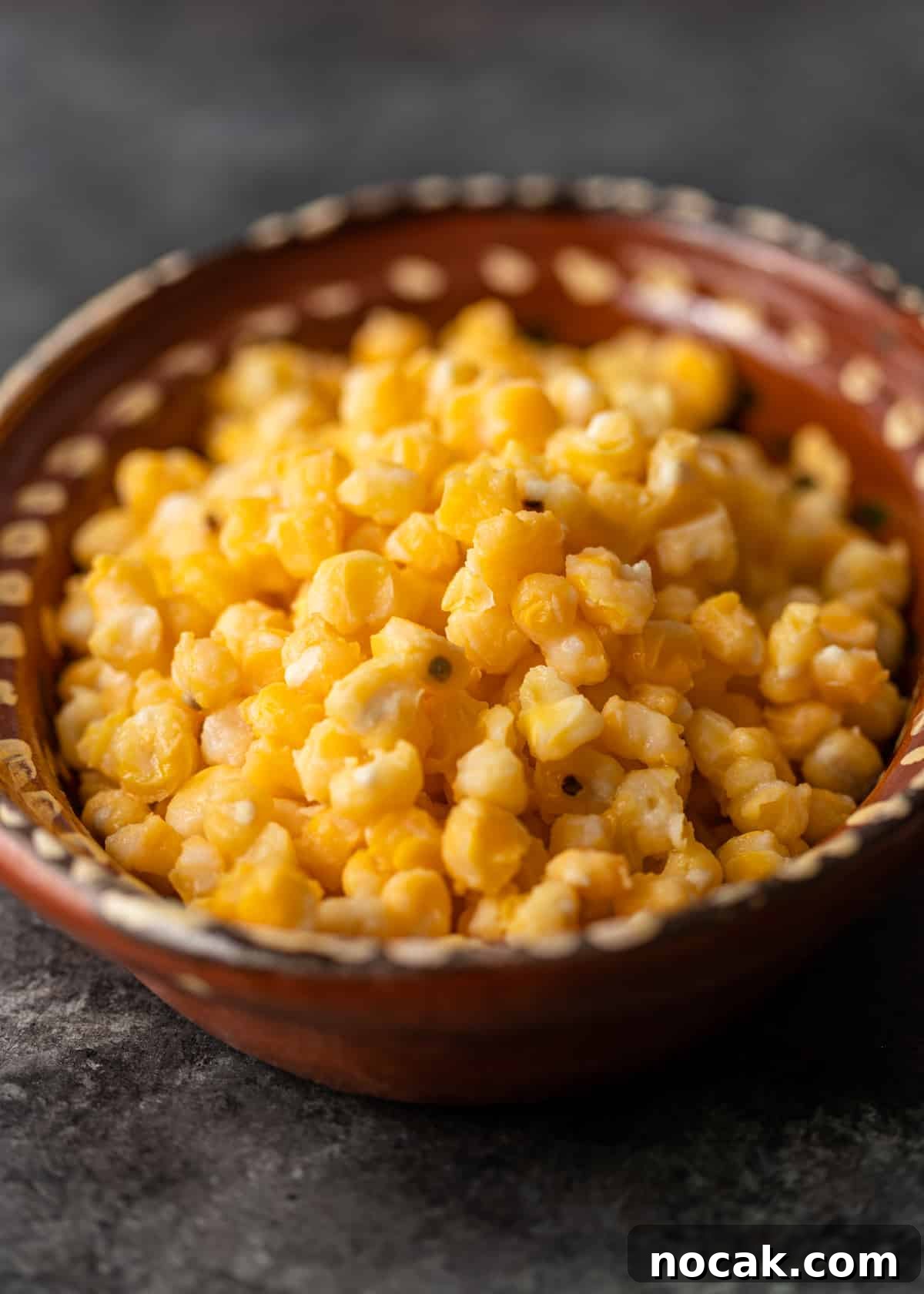
Hominy’s flavor is earthier and more complex than sweet corn. You can buy it canned (cooked), dried, or ground. Dried hominy is treated like dried beans: rinse, soak overnight, then simmer until tender. Cooked hominy can be enjoyed simply with butter, salt, and pepper, or incorporated into a wide range of dishes.
Common uses include soups and stews, casseroles, drinks, grits, and tortillas. It pairs well with bold flavors like chilies, smoky meats, tomatoes, onions, and fresh herbs.
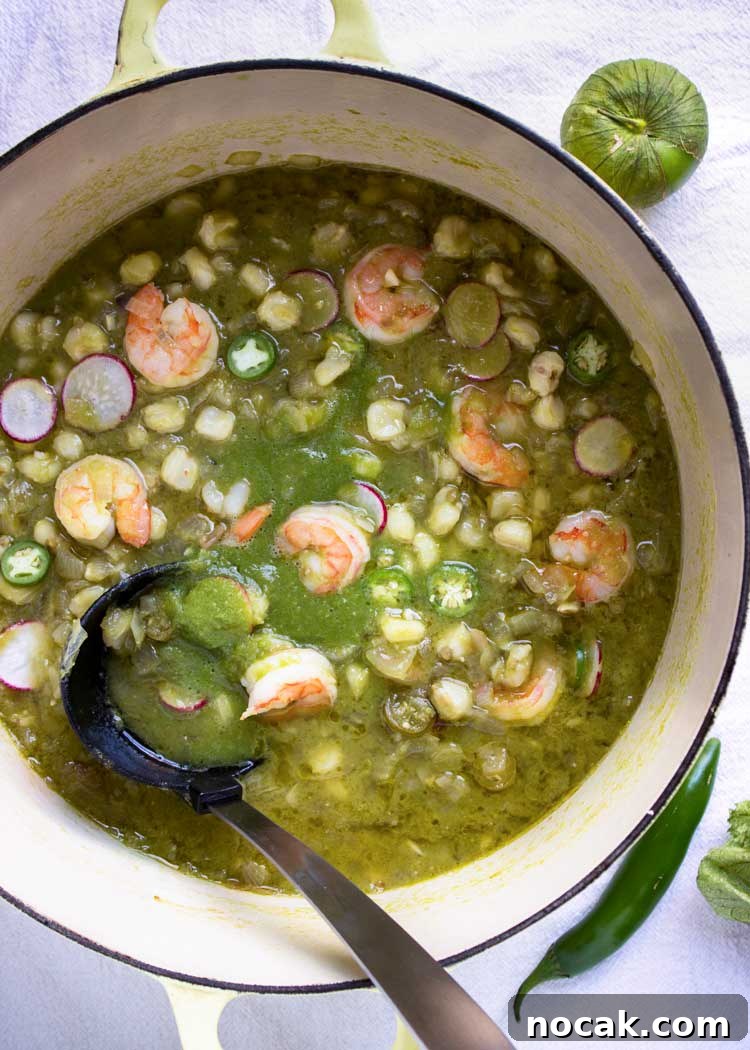
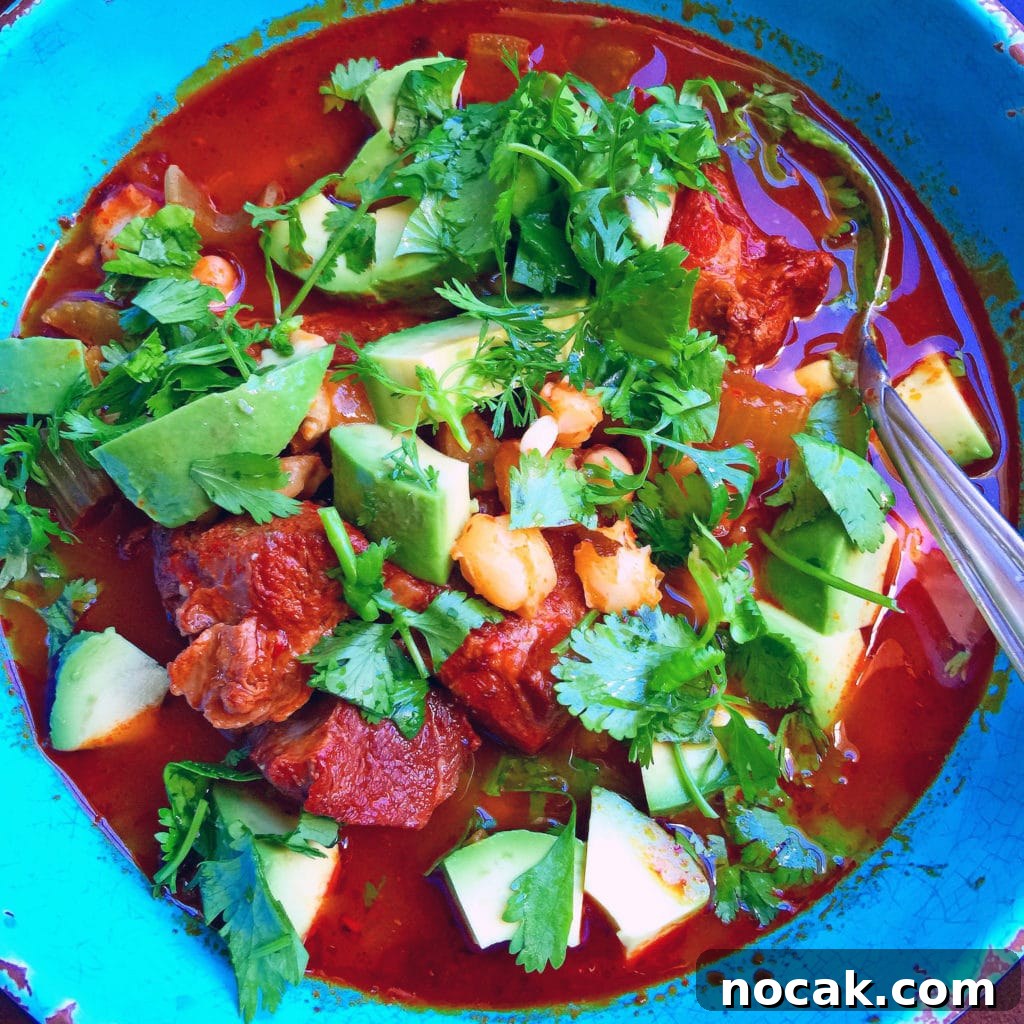
- Soups & Stews: Classic pozole and pozole verde with pork or seafood.
- Casseroles: Hominy corn casserole or baked gratins.
- Drinks: Atole and champurrado use masa (hominy flour) for thick, warming beverages.
- Grits: Creamy hominy-based grits or Southern-style shrimp and grits.
- Tortillas: Masa made from ground hominy for corn tortillas and tortilla chips.
5 Great Hominy Recipes
Here are some recipe ideas to showcase hominy’s versatility—soups, hash, casseroles, and sautés are all excellent applications. Try hominy in a spicy pozole, a skillet hash with seasoned chicken, or a comforting casserole.
- Achiote chicken with hominy and roasted vegetables
- Southwestern hominy sauté with peppers and spices
- Posole rojo with pork and hominy
- Sautéed hominy with bacon, tomatoes, and herbs
- Texas-style hominy casserole
How Is Hominy Made?
Hominy is produced by soaking dried corn in an alkaline solution containing lime, lye, or ash. This nixtamalization step, developed millennia ago in Mesoamerica, loosens the hull, changes the grain’s chemistry, and enhances flavor and nutrition. After soaking, the kernels are rinsed thoroughly so the alkaline residue is removed, leaving tender, flavorful hominy ready to cook or grind.
Is Hominy the Same as Chickpeas?
Hominy and chickpeas can appear similar once cooked — both have a firm, slightly grainy texture — but they are different ingredients. Hominy is processed maize native to the Americas and transformed through nixtamalization. Chickpeas (garbanzo beans) are a legume native to the Mediterranean region, high in protein and used widely in vegetarian cooking. They substitute for each other in some recipes but bring distinct flavors and nutritional profiles.
What Can I Substitute for Hominy?
If hominy is unavailable, several substitutes can work depending on the recipe:
- Chickpeas: Similar nutty flavor and a good textural substitute in stews and casseroles.
- Buckwheat grits: Use in soups and as a hearty side alternative.
- Polenta: Often the best match for texture and flavor, especially in grits-style dishes or as a base for savory toppings.
- Sweet corn: Use as a last resort; it’s sweeter and has a different texture than hominy.

Hominy is a humble ingredient with deep culinary roots and a wide range of uses. Whether you’re making a hearty pozole, fresh corn tortillas, creamy grits, or a comforting casserole, hominy brings texture, flavor, and history to the table.