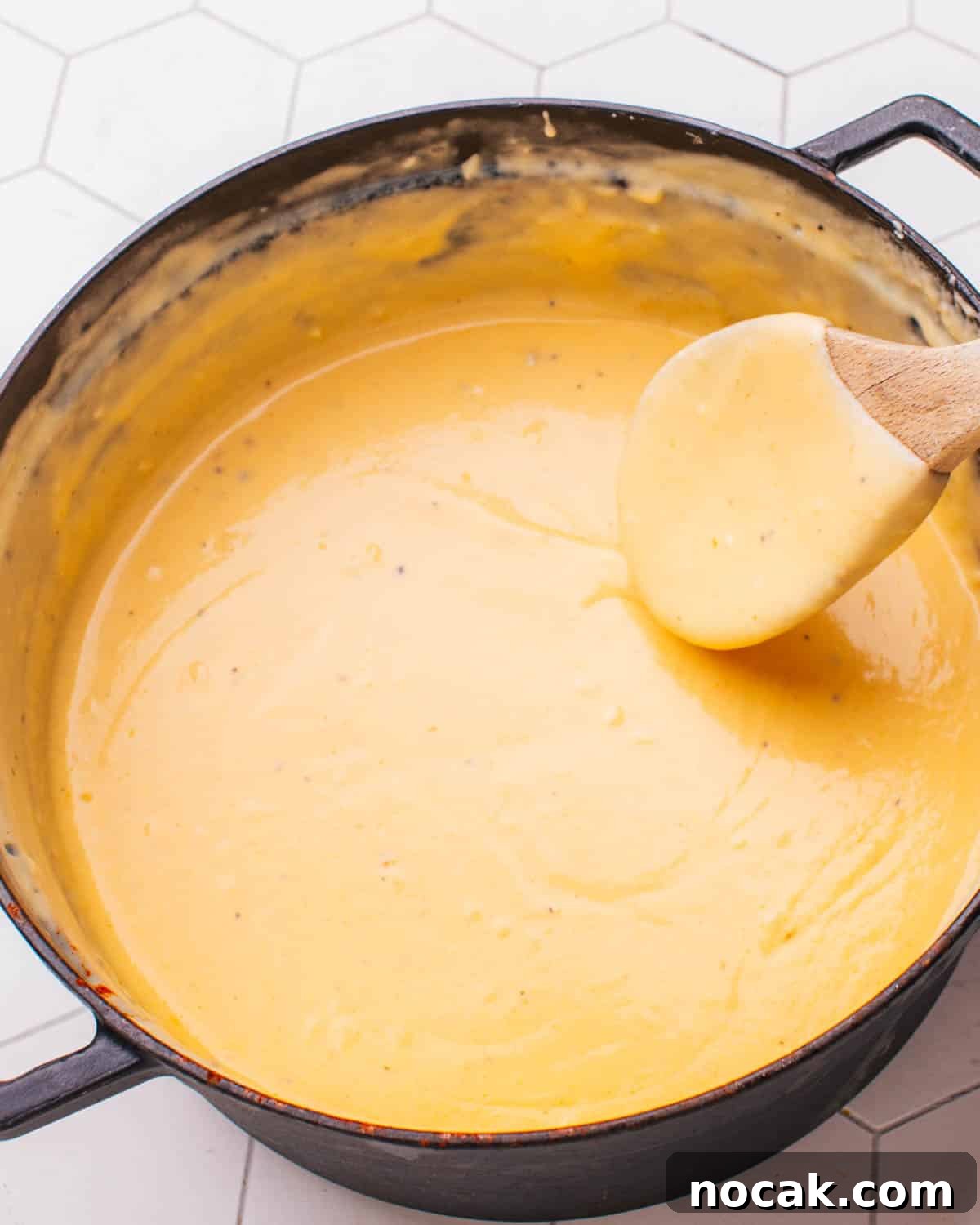
Learn how to make a rich, creamy, and reliably smooth Cheese Sauce for Mac and Cheese using an easy melt-and-mix technique. This simple cheese sauce recipe stays silky, never grainy, and works for everything from stovetop mac and cheese to drizzling over vegetables or baked potatoes.
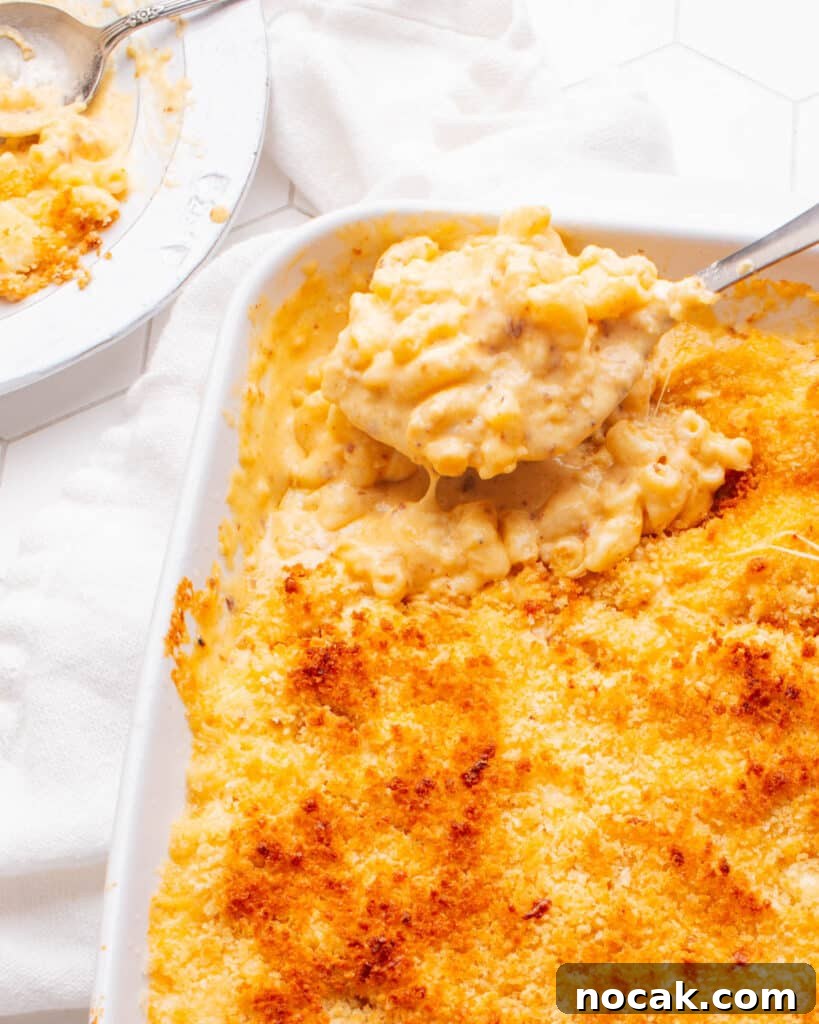
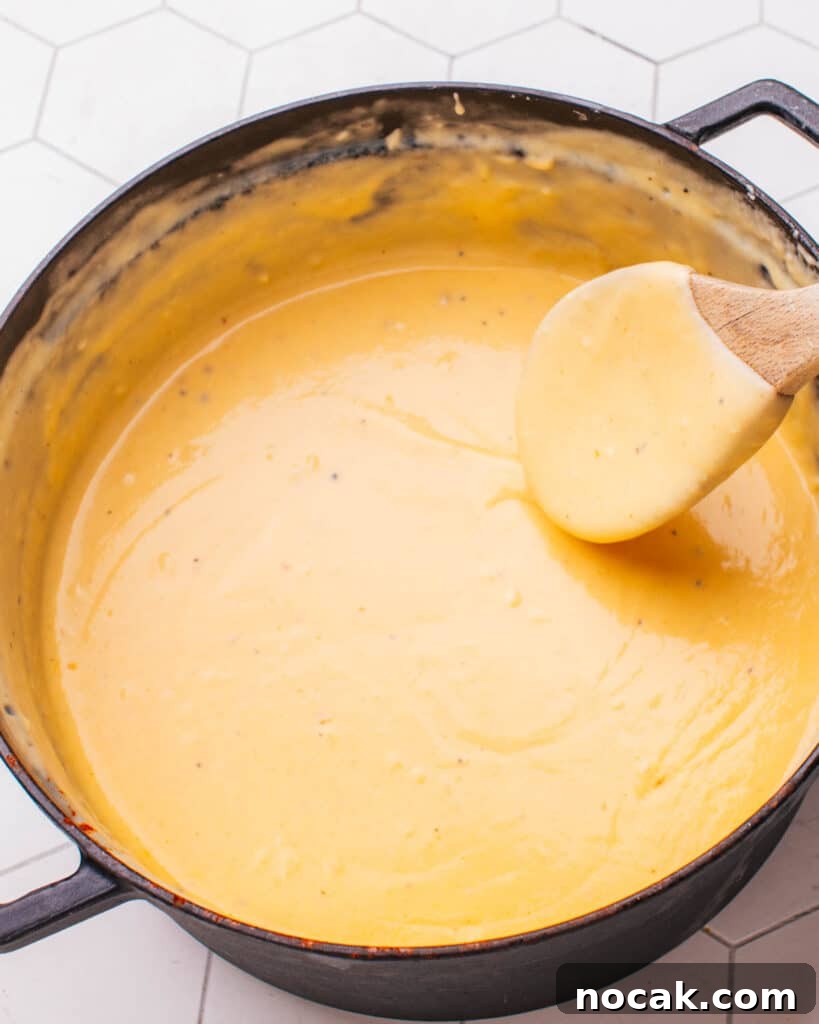
Why This Cheese Sauce Recipe Is the Best
This is the best cheese sauce I know. I developed it for mac and cheese, but it’s now my go-to for baked potatoes, steamed vegetables, nachos, and more. It combines simple ingredients with a few reliable techniques to deliver a velvety, well-seasoned sauce every time.
Whether you’re making quick stovetop mac and cheese or assembling a baked casserole, this sauce adds depth and creaminess to elbow macaroni and many other dishes. With the right cheeses and gentle heat, you’ll avoid grainy textures and get an even melt every time.
Cheese Sauce Recipe Ingredients
Start with quality ingredients to build a smooth, flavorful cheese sauce.
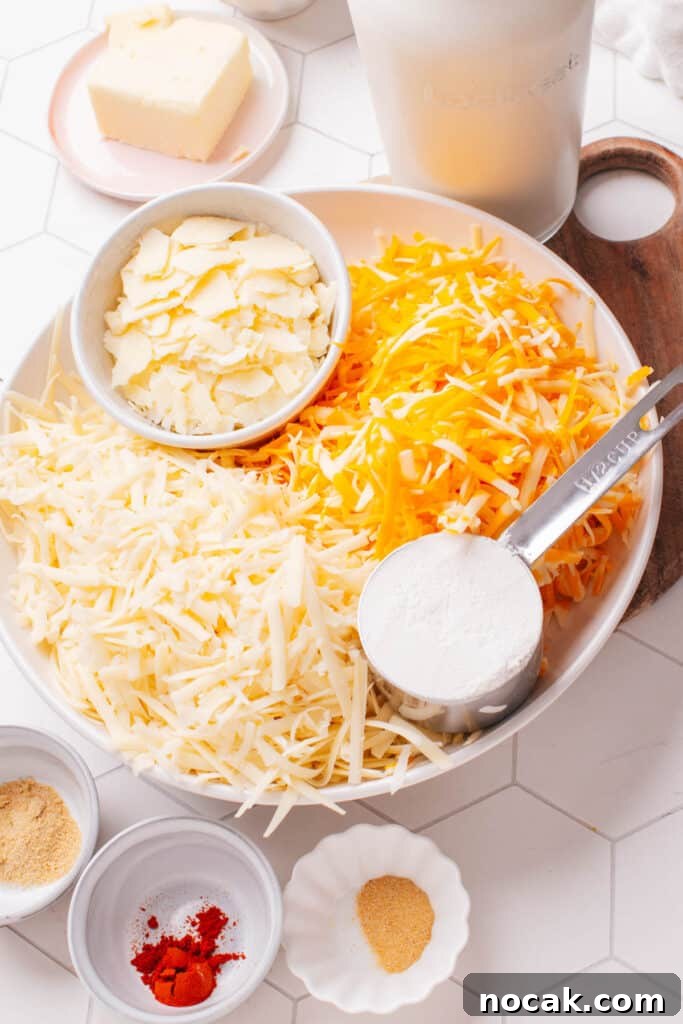
- Butter: Forms the base of the roux and adds richness. Use salted butter or unsalted plus a pinch of salt.
- All-purpose flour: Thickens the sauce for a smooth, creamy texture.
- Whole milk: Provides the liquid base and creaminess; you can swap half for heavy cream for extra richness.
- Sharp cheddar: Adds classic tang and depth.
- Gruyère or Monterey Jack: Gives a silky melt and mild, nutty notes.
- Parmesan: Adds salty, savory umami.
- Salt, onion powder, black pepper, paprika, garlic powder: Season the sauce to taste and round out the flavors.
Variations and Substitutions
Tweak the recipe to match your pantry or preferences.
- Different cheeses: Try young cheddar, Gouda, smoked gouda, pepper jack, Swiss, or mozzarella. For a simple option, use only cheddar.
- Gluten-free: Replace all-purpose flour with a gluten-free flour blend in the roux.
- Extra creamy: Substitute some milk with heavy cream.
- Spicy: Add cayenne, dry mustard, or hot sauce for heat.
- Herbs: Finish with parsley, thyme, or oregano for freshness.
Grab these Tools
Basic kitchen tools make the process easy and consistent.
- Large saucepan
- Whisk to keep the sauce lump-free
- Measuring cups and spoons
- Cheese grater for freshly grated cheese
- Wooden spoon for stirring as the sauce thickens
How to Make the Best Cheese Sauce for Mac and Cheese: An Easy Guide
This sauce is straightforward when you follow a few key steps to ensure a smooth finish.
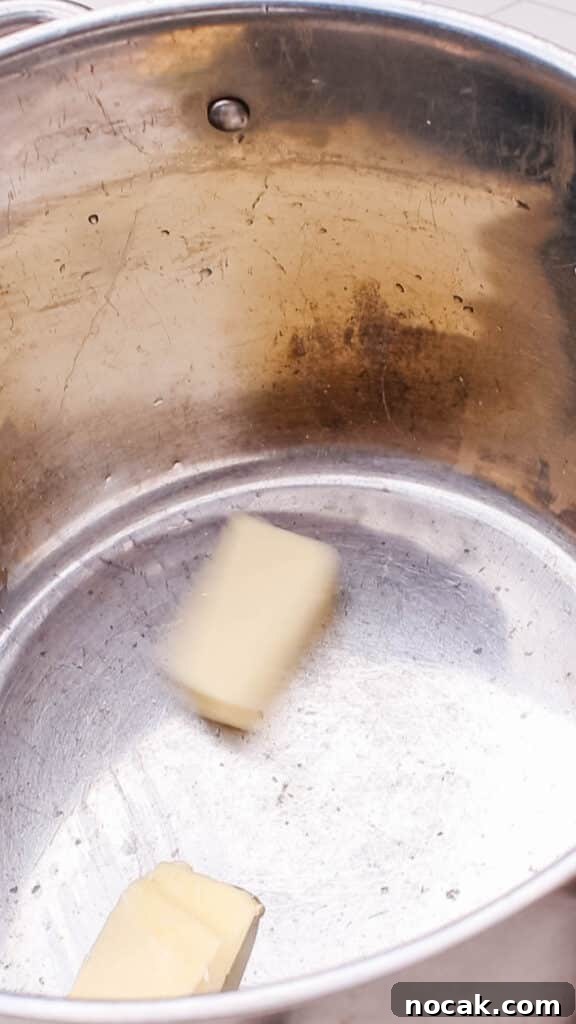
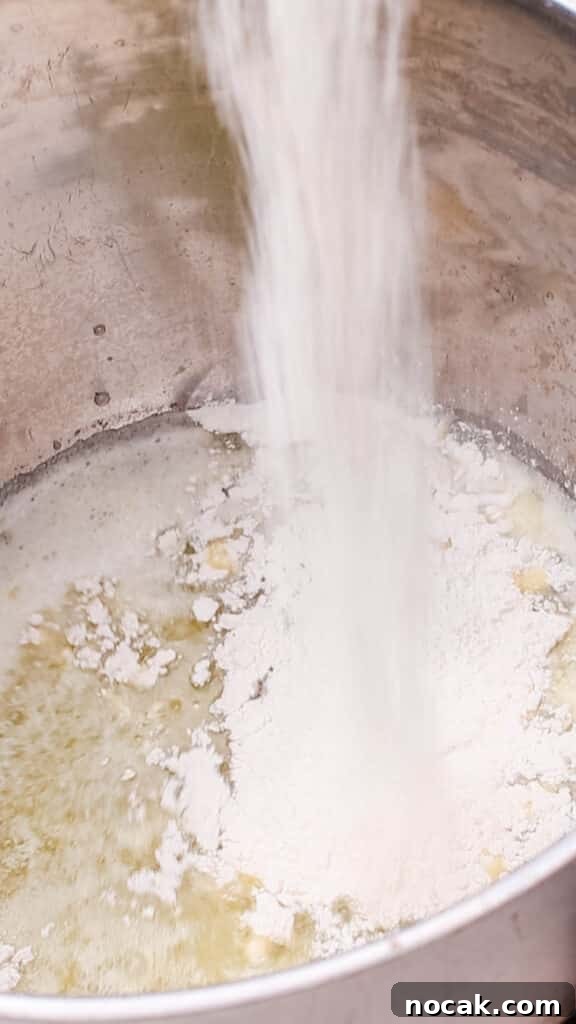
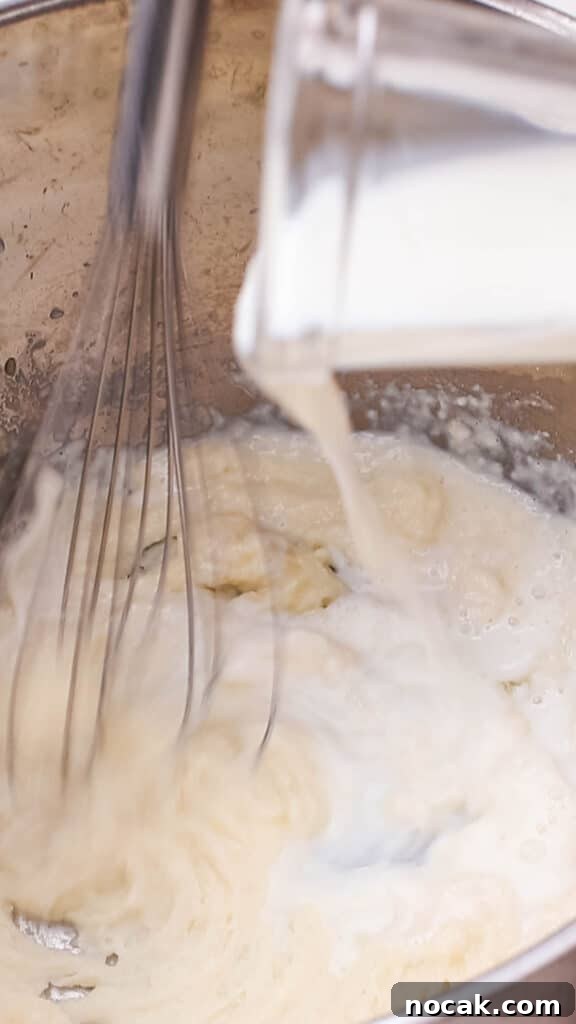
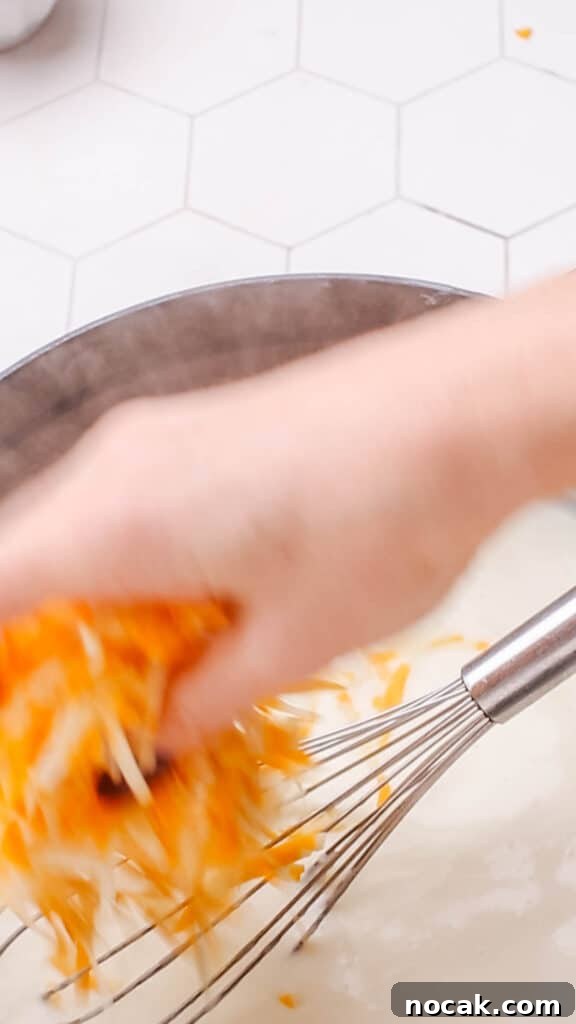
Melting and Mixing
Melt 4 tablespoons (½ cup total in the full recipe) of butter in a large saucepan over medium heat. Whisk in the flour to form a roux and cook for 1–2 minutes, stirring constantly. The roux should smell slightly sweet—like shortbread—when it’s ready.
Adding the Milk
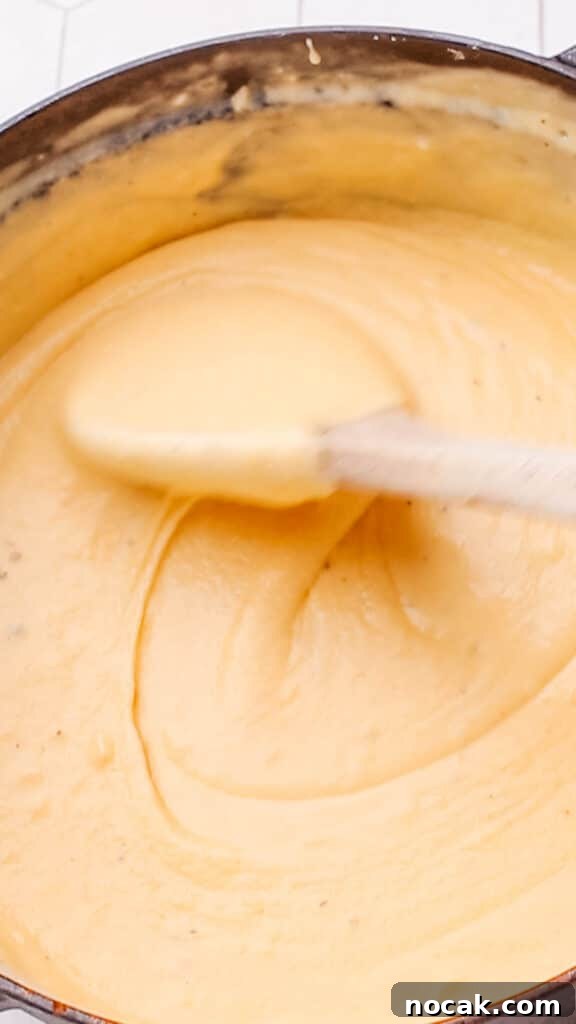
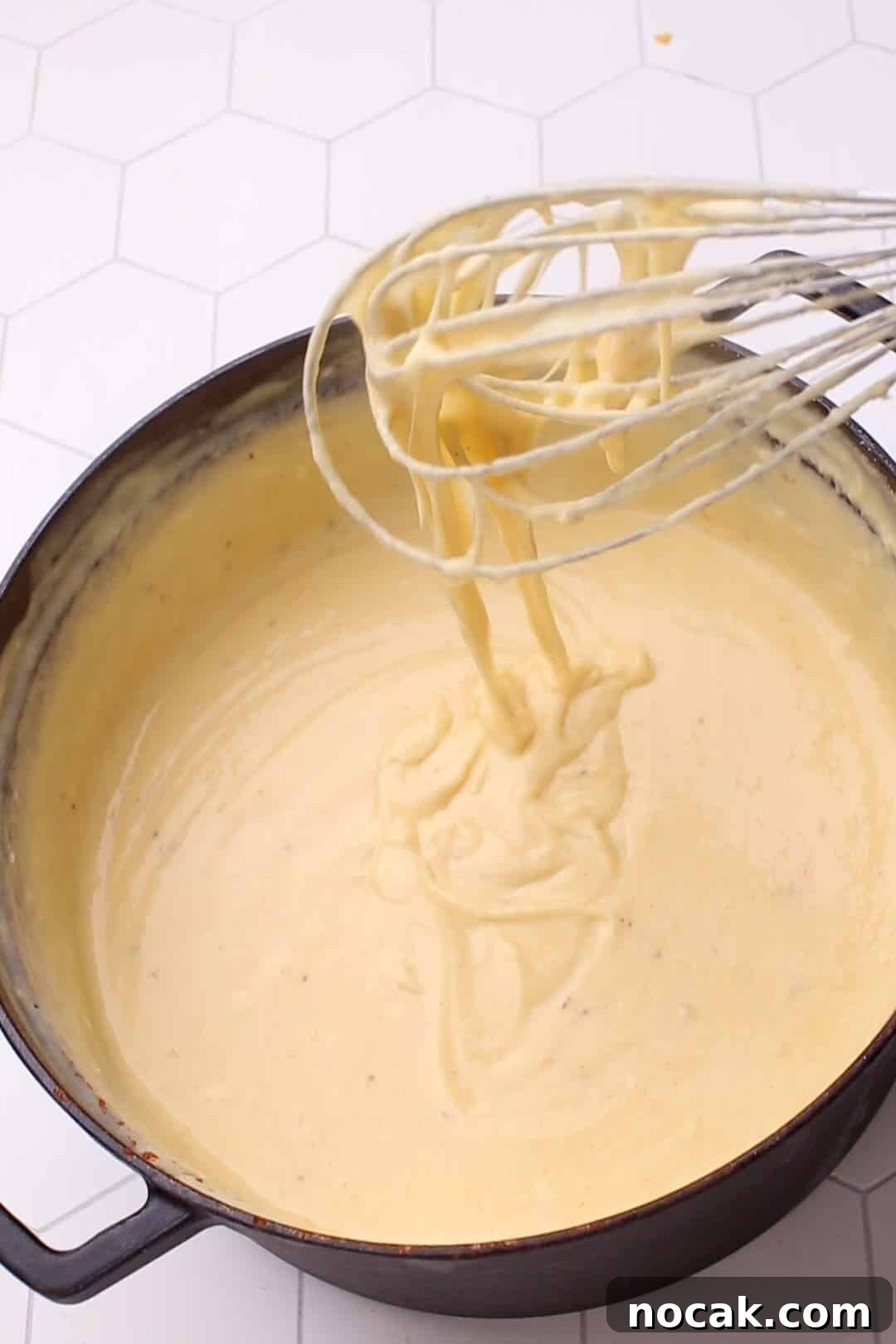
Slowly pour in whole milk while whisking continuously to prevent lumps. Keep stirring until the mixture thickens into a smooth béchamel base.
Add the Cheese
Remove the pan from the heat and add the cheeses a handful at a time, stirring until each addition melts before adding more. If needed, return to very low heat briefly to finish melting, but avoid simmering or boiling the sauce.
Seasoning the Sauce
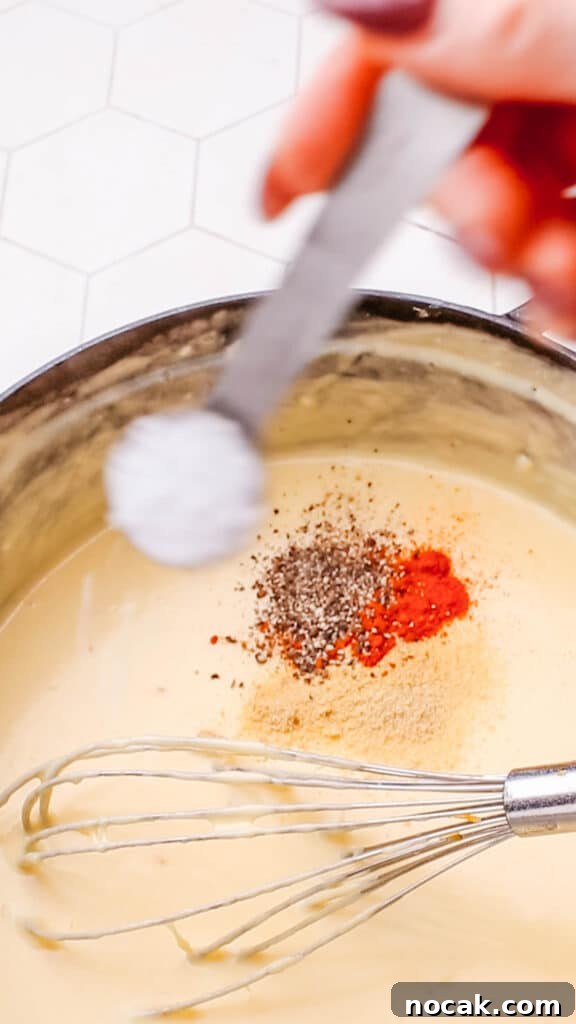
Finish with salt, onion powder, black pepper, paprika, and garlic powder. Taste and adjust the seasoning. The sauce is now ready to be folded into cooked pasta or used in other dishes.
Make Ahead and Storage
Prepare the sauce in advance and store it properly to keep it fresh.
- Make ahead: The sauce can be made up to 2 days before serving to let flavors meld.
- Refrigerate: Keep in an airtight container for up to 5 days.
- Freeze: Freeze for up to 3 months, though texture may change slightly.
- Reheat: Warm gently over low heat, stirring constantly. Thin with a little milk if it thickens.
- Don’t boil during reheating to avoid separation—gentle heat is key.
How to Serve This Cheese Sauce Recipe
This sauce is versatile beyond mac and cheese. Here are favorite ways to use it.
For Mac and Cheese
- Classic: Toss the sauce with 1 pound of cooked macaroni and serve hot.
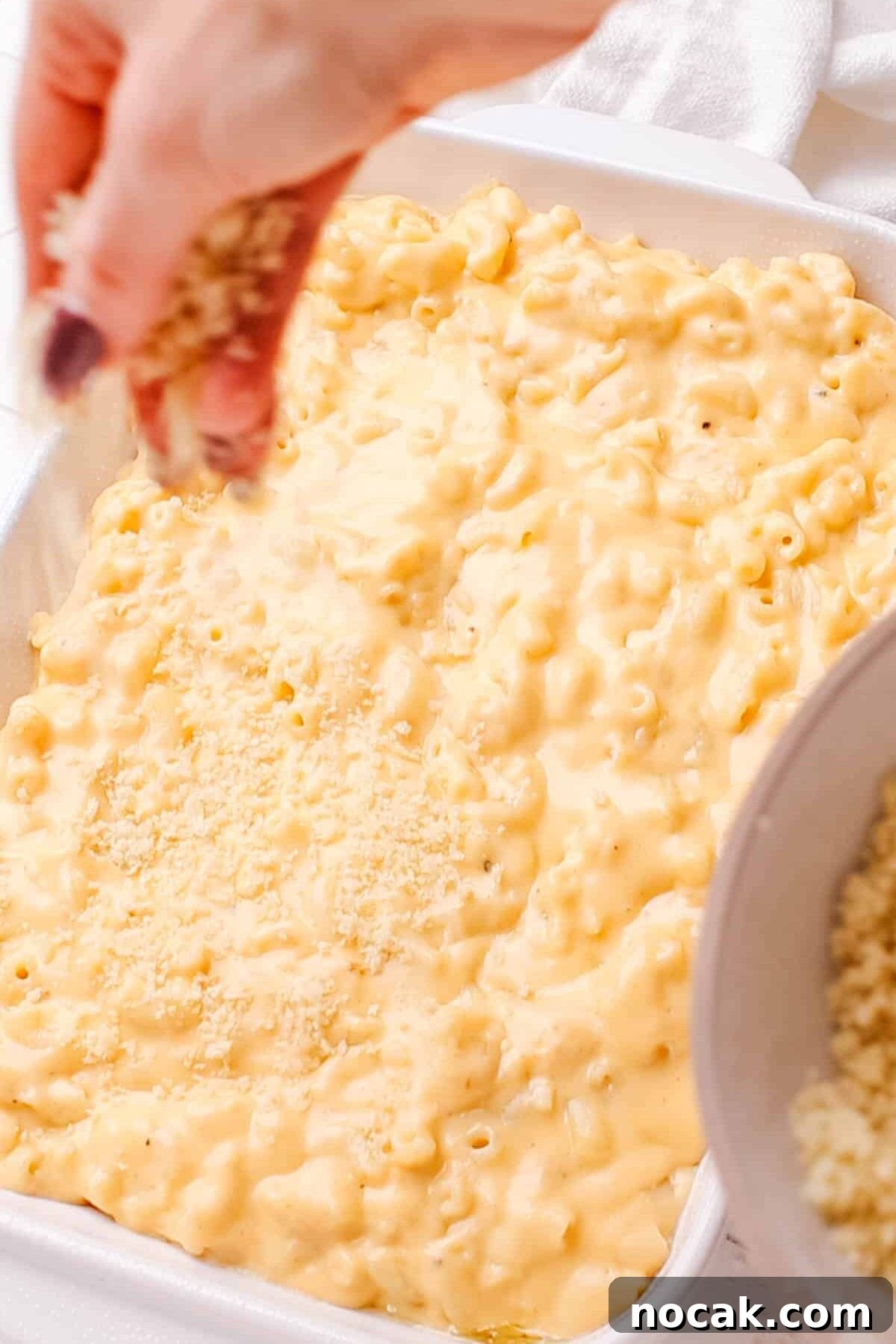
- Baked: Combine with pasta, extra cheese, and optional add-ins; top and bake until bubbly and golden.
Beyond Mac and Cheese
- Baked potatoes: Spoon over baked potatoes with bacon and chives.
- Vegetables: Pour over steamed broccoli, cauliflower, or Brussels sprouts.
- Nachos: Use warm as a dip for tortilla chips.
- Breakfast: Add a few spoonfuls to eggs or breakfast burritos.
- Dipping sauce: Serve with breadsticks, pretzels, or crudités.
What Makes Mac and Cheese Sauce Grainy (and How to Prevent It)
Understanding the common causes helps you avoid a grainy sauce:
- High heat: Too much heat tightens cheese proteins and forces out fats, causing clumping.
- Wrong cheese: Very aged, dry cheeses are more likely to become grainy. Use higher-moisture, younger cheeses for smoother melting.
- Overcooking: Extended heat breaks down proteins and dries the cheese.
- Acidic ingredients: Adding acids too early can cause proteins to seize up.
- Poor emulsification: Whisk and combine the cheese slowly into a properly made roux and milk base.
- Low-quality or pre-shredded cheeses: Anti-caking agents in pre-shredded cheese can affect texture; freshly grated cheese melts more evenly.
If the sauce becomes grainy, remove from heat and whisk in a splash of cold milk or cream; let it cool slightly and whisk vigorously to help smooth it out.
4 Common Mistakes When Making Cheese Sauce for Mac and Cheese
Avoid these pitfalls for the best result:
- Overheating: Turn off the heat before adding cheese to prevent seizing and graininess.
- Adding cheese too quickly: Add cheese gradually and stir until each addition melts.
- Neglecting the roux: Cook the flour and butter for 1–2 minutes to remove raw flour taste and ensure proper thickening.
- Poor seasoning and excess pasta water: Season both the sauce and your pasta water, and drain pasta thoroughly to avoid diluting the sauce.
FAQs About This Cheese Sauce Recipe
Quick answers to common questions:
Best cheeses to melt? Sharp cheddar, Gruyère, and Monterey Jack melt well and complement each other.
How to keep mac and cheese creamy? Use cheeses with good melting properties, avoid high heat, and don’t overload with pasta so the sauce remains coating and silky.
How to melt block cheese? Grate it first and add it gradually to the sauce off the heat or over very low heat, stirring constantly.
Why is my sauce grainy? Often due to high heat, adding cheese too quickly, or using pre-shredded cheese with anti-caking agents. Freshly grated cheese and slow melting prevent this.
How to fix lumps? Whisk vigorously, add a little cold milk, or strain through a fine sieve.
Can I use pre-shredded cheese? It’s convenient, but for best texture use freshly grated cheese.
Best milk? Whole milk provides the best balance of flavor and creaminess.
Gluten-free? Use a gluten-free flour blend in the roux.
Up Next in Mac and Cheese
- What to Serve with Macaroni and Cheese
- Best cheese for baked macaroni and cheese (for flavor and melting)
- Butternut Mac and Cheese
- Miso Carrot Mac and Cheese
- Old Fashioned Baked Macaroni and Cheese
Other Creamy Sauces You’ll Love
- Lobster Ravioli Sauce
- Seafood Pasta Cream Sauce
- Creamy Tuscan Chicken
- Beet Pasta Sauce
- Gnocchi Sauce Recipe
- Asiago Tortelloni Alfredo with Grilled Chicken
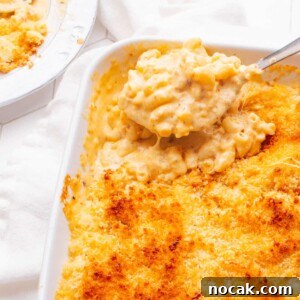
Cheese Sauce for Mac and Cheese (Impossibly Creamy!)
Ingredients
- ½ cup salted butter
- ½ cup all-purpose flour
- 5 cups whole milk
- 3 cups shredded sharp cheddar cheese
- 2 cups shredded Gruyère or Monterey Jack
- 1 cup freshly grated Parmesan
- 1 ½ tsp kosher salt
- 1 tsp onion powder
- ½ tsp black pepper
- ½ tsp paprika
- ½ tsp garlic powder
- 1 lb macaroni, cooked
Instructions
- Melt the butter over medium heat in a large saucepan.
- Whisk in the flour and cook for 1–2 minutes, stirring constantly.
- Gradually add the milk, whisking continuously to avoid lumps. Cook until the mixture thickens.
- Turn off the heat. Add the cheeses a small handful at a time, stirring until completely melted before adding more. If necessary, return to low heat very briefly, but don’t let it simmer or boil.
- Season with salt, onion powder, black pepper, paprika, and garlic powder. Mix well.
- Stir in cooked macaroni and serve immediately.
Notes
Adjust salt to taste. A small splash of soy sauce can add extra umami if needed.
Nutrition
| Carbohydrates: 16 g
| Protein: 33 g
| Fat: 51 g
Nutrition information is an approximation.
Tried this recipe? Leave a comment!