What Is Alum Used For In Cooking? If the word “alum” sounds unfamiliar, that’s understandable. It’s a term not everyone encounters every day. Read on to learn what alum is and how it’s used in the kitchen.
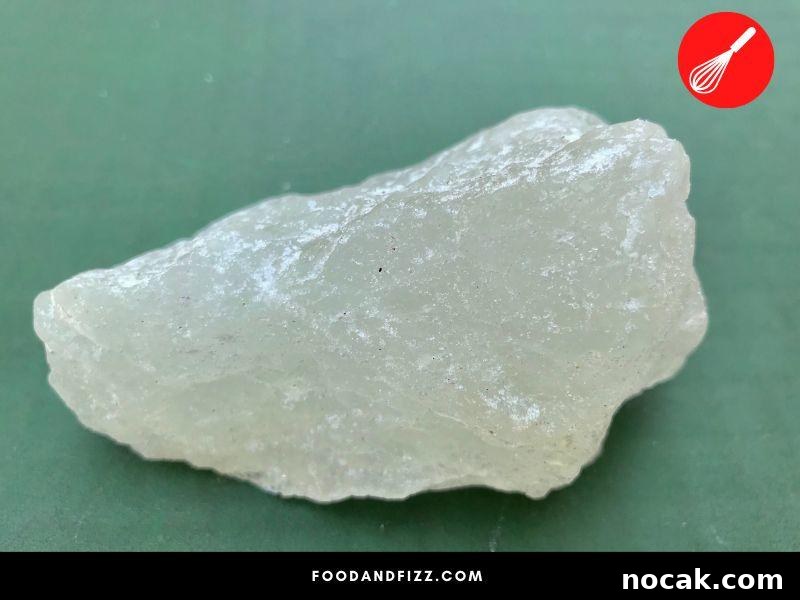
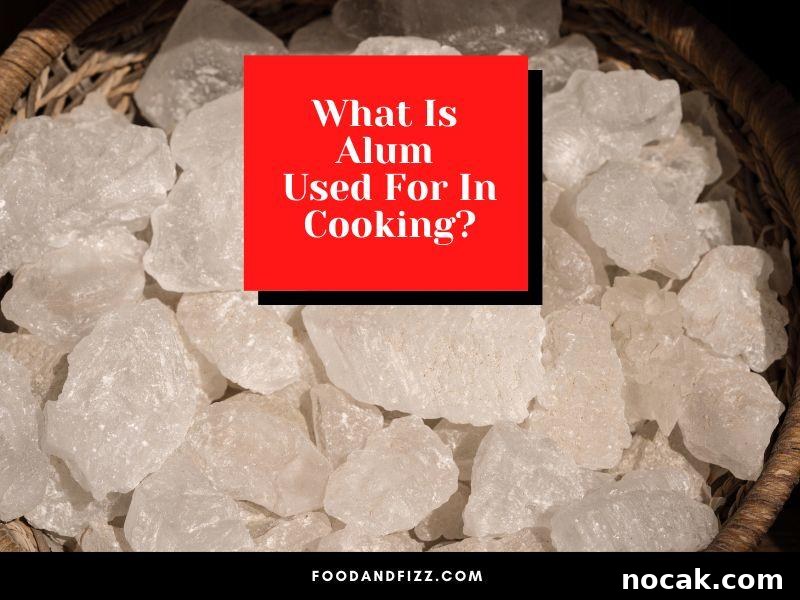
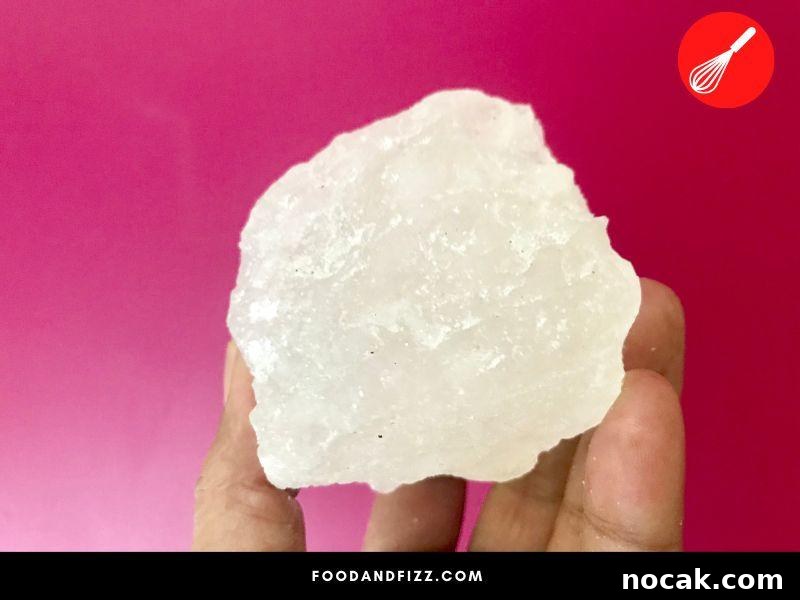
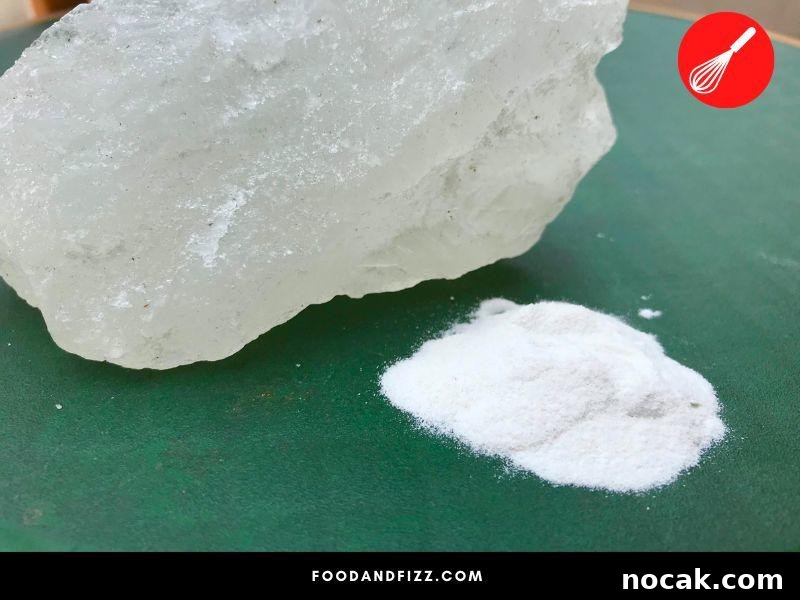
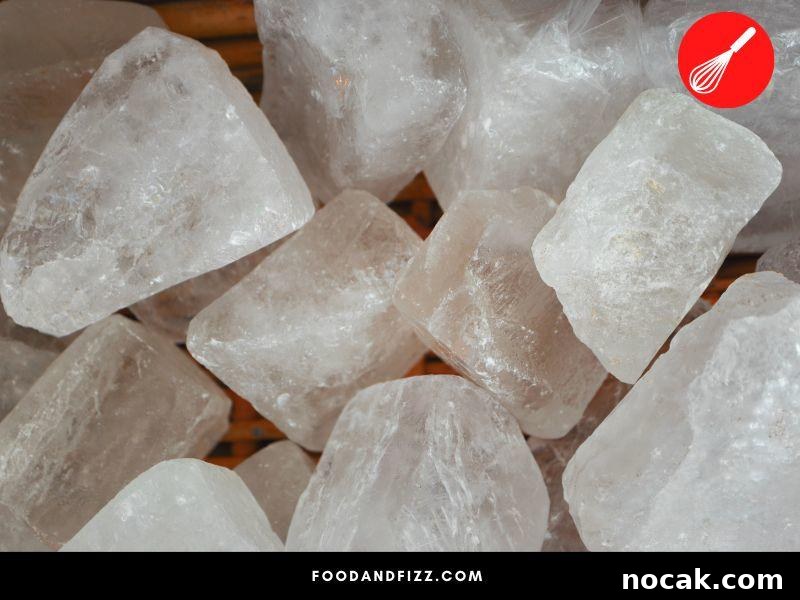
Alum commonly refers to potassium alum, which can appear as clear crystals or be sold in a powdered form. It dissolves in water and has a mildly sweet, slightly acidic taste. Chemically, it contains oxygen, aluminum, hydrogen, potassium, and sulfur.
Because alum is edible in appropriate amounts, it has several culinary uses. Its most notable roles are in pickling, preserving texture, and acting as a leavening component. Let’s explore these uses and other applications in more detail.
Table of Contents
What Is Alum Used For In Cooking?
Alum is widely used in pickling and canning to help preserve foods and maintain a crisp texture. It has also been used historically as a leavening-related ingredient and can be found in some baking powders.
Although alum has a long history of varied uses, its role in modern food preparation focuses on texture and preservation. Below are other practical culinary applications.
Other Culinary Uses of Alum
Beyond pickling and canning, alum serves several useful tasks in the kitchen and beyond.
One traditional use is water clarification: alum causes fine suspended particles to clump and settle, making it easier to remove impurities from water.
Alum is also used in some confectionery and dairy preparations. For example, small quantities may be added when making khoya or milk-based sweets to help achieve the desired texture during cooking.
In addition, alum can help maintain firmness in pickled fruits and vegetables, giving them a crisp, appealing bite even after processing.
Health Benefits of Alum
Alum has been used in traditional remedies for a range of minor ailments. It can act as an emetic in controlled situations, and it has astringent and antiseptic properties that have made it useful to control small bleeds and to reduce the risk of infection on minor cuts when applied externally.
Some people use powdered alum for temporary relief of muscle cramps or to address mouth ulcers, though any such use should be discussed with a healthcare professional first.
Scientifically, alum salts are also known for their role as adjuvants in vaccines, enhancing the immune response to an antigen when used appropriately and under medical supervision.
When Do You Need to Be Careful About Alum?
Although alum has useful properties, caution is advised. Limited research means the safety of regular alum consumption during pregnancy or for young children is not well established. Always seek medical advice before using alum medicinally or giving it to vulnerable groups.
Additionally, interactions between alum and prescription medications have not been extensively studied, so consult a healthcare professional before combining its use with other treatments.
Use of Alum in Cosmetics
Alum appears in several personal care products. It is used in some hair removal preparations to soothe skin after waxing and is an ingredient in styptic pencils to help stop minor bleeding from shaving cuts.
Because of its antibacterial properties, alum is often sold as a “deodorant rock” or included in deodorant formulations to inhibit odor-causing bacteria and reduce perspiration-related smells.
Alum and Baking Powder
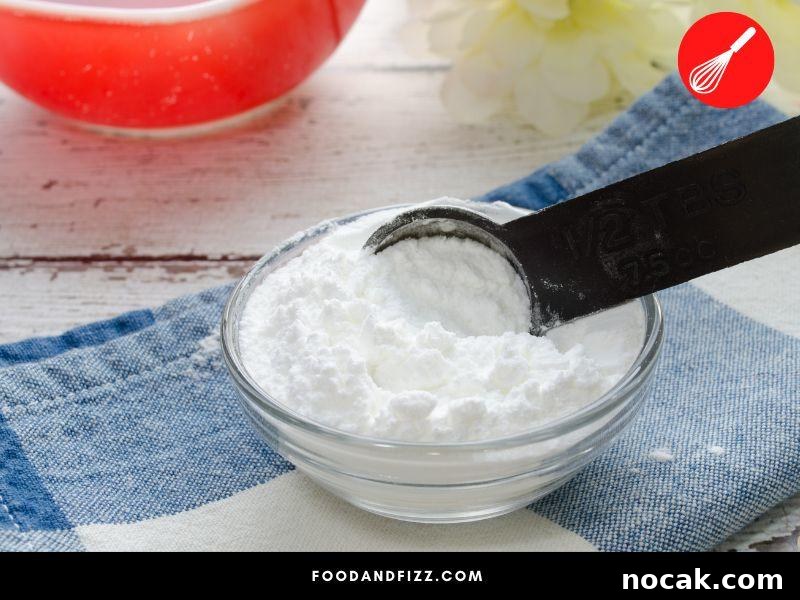
In the 19th century, alum was commonly used by bakers as part of leavening agents. Today, certain types of baking powder have historically included alum-derived compounds as acid components that react with bicarbonate to produce carbon dioxide and lightness in baked goods.
Frequently Asked Questions
How long can alum powder remain usable?
Stored in an airtight container kept in a cool, dry, dark place, alum powder can retain good quality for about two to three years.
Is alum the same as baking soda?
No. Alum and baking soda are different chemicals. Baking soda is sodium bicarbonate; alum is an aluminum-based salt that has been used historically as an acidifying component in some baking powders.
Can you bathe in alum water?
Some people use alum in bath water to help control excessive sweating because of its antibacterial properties, which can reduce odor-causing bacteria. Use caution and seek advice if you have sensitive skin or health concerns.
How is alum turned into powder?
When alum crystals are heated or further processed, they break down into a finer, amorphous powder. Commercially available powdered alum is produced under controlled conditions for consistent texture.
Conclusion to What is Alum Used for In Cooking?
In summary, alum is primarily used in cooking for pickling and canning to preserve foods and keep them crisp. It has historical and occasional roles in leavening and appears in some baking powder formulations.
Alum has several practical culinary, medicinal, and cosmetic uses, but it should be used responsibly. Excessive intake of aluminum compounds can pose health risks, so consult reliable sources or a professional if you plan to use alum regularly or for therapeutic purposes.