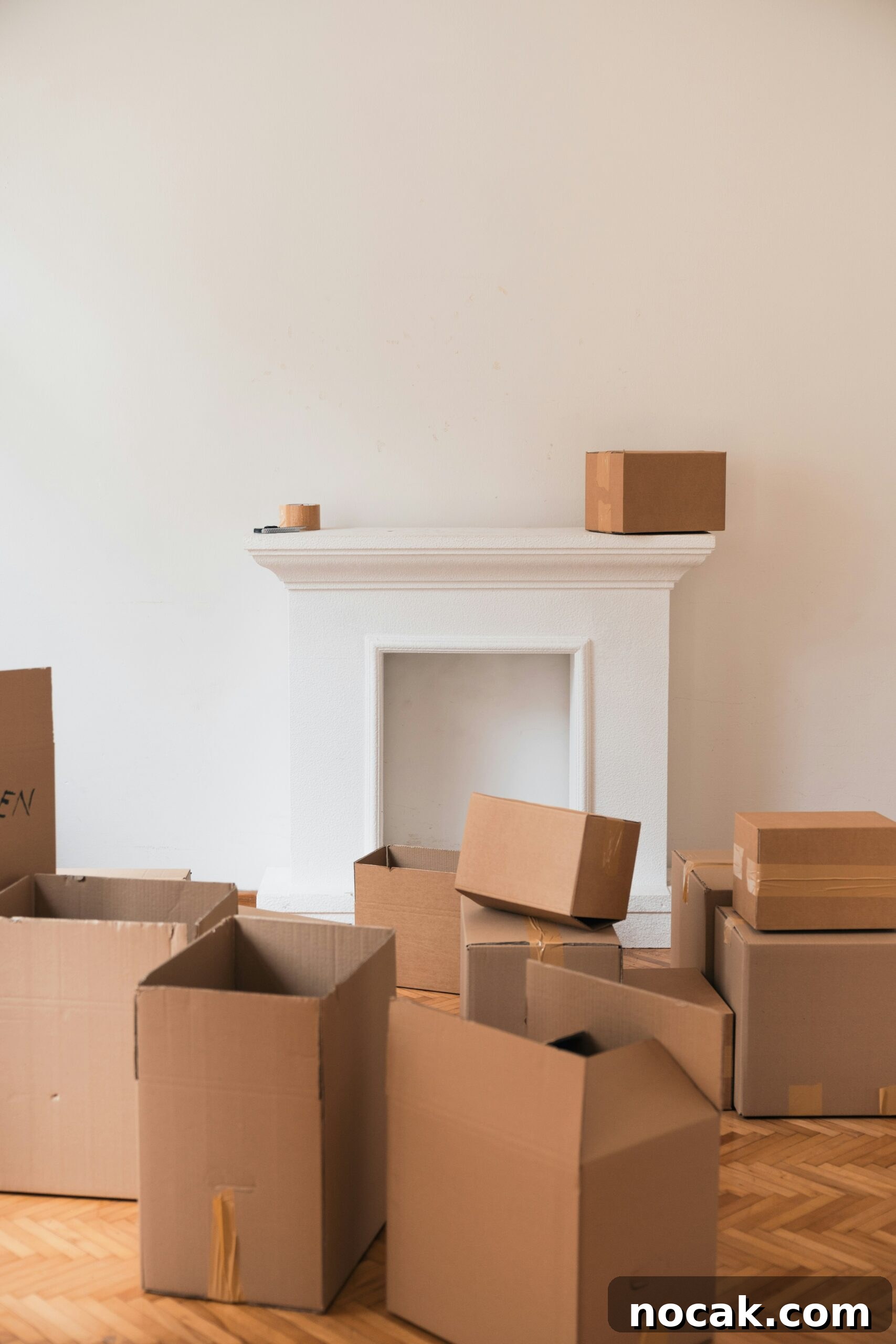
Want to pack less and start fresh? Here are ten essential areas to declutter before a move so you can save time, money, and energy as you settle into your new home.
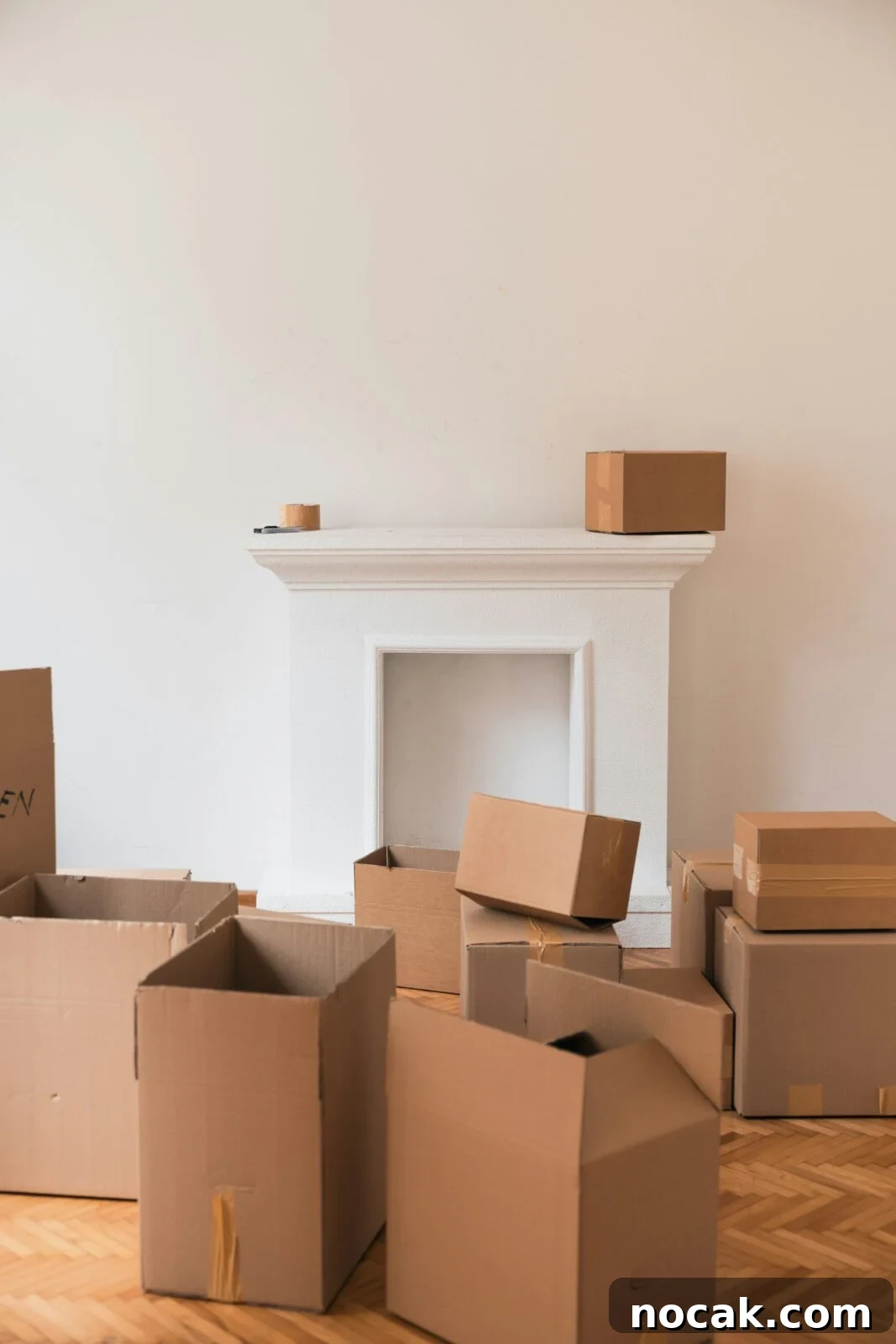
We’re in the middle of a move right now, and packing forces you to really look at what you own. Over the past few months we’ve been slowly decluttering closets, cabinets, bookshelves, and the basement. We’ve already let go of too-small ski gear, books we never finished, and toys the kids haven’t touched in over a year.
Decluttering before a move isn’t fun for most people, but it’s worth the effort. It makes packing and unpacking easier, reduces moving costs, and gives you a lighter, more functional start in your new place.
If you’re preparing for a move, this post will guide you through ten key areas to declutter so you can lighten the load and create more breathing room in your next home.
Benefits of Decluttering for a Move
Decluttering before you move is more than about fewer boxes. It means less to store, clean, and maintain—fewer decisions down the road and fewer items demanding your time, energy, and money.
Key benefits include:
- Less to pack, unpack, organize, and maintain: Every item you let go of now is one fewer item to manage later.
- Lower moving costs: Especially if movers charge by time, volume, or weight.
- Extra cash: Selling items you don’t need can offset new-home purchases.
- Everything has a place: Keeping only what you truly need makes it easier to set up and maintain your new home.
- A fresh start: A simpler home is easier to settle into and to keep organized.
1. Kitchen
The kitchen collects duplicates and rarely used gadgets—extra utensils, appliance clutter, mismatched containers, and pantry items you never used. Edit now to reduce fragile items to pack and free up cabinet space in your new kitchen.
Focus on decluttering:
- Duplicate utensils and tools
- Gadgets you rarely use
- Small appliances that sit idle
- Extra mugs and travel cups
- Food-storage containers without lids
- Expired pantry items, spices, or baking supplies
- Cookbooks you haven’t opened in years
2. Living room or family room
The living room often becomes a catchall for decor, stacks of magazines, and toys. If something doesn’t fit your style, layout, or needs in the new home, it’s a good candidate to go.
Focus on decluttering:
- Books, magazines, and DVDs you won’t revisit
- Decor and knick-knacks that no longer fit your style
- Worn rugs, blankets, and pillows beyond repair
- Extra furniture that won’t work in your new layout
- Toys and games with missing pieces or that are rarely used
Decluttering tip: Ask yourself: would I bring this into a room I was decorating from scratch? If not, consider letting it go. Keep a bin for stray toy pieces to reunite sets or discard incomplete ones later.
3. Closets
Closets hold “maybes”—items that don’t fit, won’t be worn, or were kept out of guilt. Decluttering clothes and accessories before you move saves space and makes it easier to organize your new closet.
Focus on decluttering:
- Clothes that don’t fit or match your current style
- Stained or damaged items beyond repair
- Shoes unused for over a year
- Accessories you never reach for
- Out-of-season items you didn’t wear last year
- Formalwear kept out of guilt
Decluttering tip: If you wouldn’t pack it for a two-week trip, consider leaving it behind.
4. Bedrooms
Bedrooms can become drop zones for personal items, extra furniture, and piles of laundry. Use the move as a chance to reset these rooms so they feel calm and functional from day one.
Focus on decluttering:
- Overstuffed dressers with unworn clothes
- Mismatched or duplicate linens (aim for two sets per bed)
- Extra pillows and blankets you don’t use
- Nightstand clutter—old cords and forgotten items
- Unnecessary furniture or decor you no longer love
Kids’ bedrooms
Kids’ rooms fill quickly with outgrown clothes, toys, and gear. Moving is the ideal time to clear what they no longer need so their new space is calmer and more functional.
Focus on decluttering:
- Outgrown clothes and shoes
- Toys, books, and games they’ve lost interest in
- Broken toys or sets with missing pieces
- Furniture they’ve outgrown like toddler beds or changing tables
Decluttering tip: If kids are old enough, involve them with short, timed projects and small rewards. This builds decision-making skills and helps them keep what they truly enjoy. Keep a bin for stray toy pieces to simplify sorting later.
5. Bathrooms
Bathrooms collect half-used products, expired meds, and travel-size toiletries. Edit now to avoid packing items you’ll just toss later.
Focus on decluttering:
- Expired medications and old first-aid supplies
- Products you tried and didn’t like
- Dried-out nail polish or old makeup
- Hair products and accessories unused for over a year
- Worn towels and washcloths
- Extra travel-size items and hotel toiletries
- Duplicate items you don’t need in every bathroom
Decluttering tip: Keep a small basket for products you’re using and try to finish them before the move. Store extras separately and avoid buying replacements unless necessary.
6. Garage, attic, basement, or storage areas
These spaces hold “someday” items—tools you don’t use, forgotten bins, and hobby gear you no longer enjoy. Decluttering these areas early reduces the moving load significantly.
If you get stuck, ask: Would I buy this again today? If not, it’s probably not worth bringing.
Focus on decluttering:
- Unused tools and gadgets
- Seasonal decorations you no longer use
- Old paint, cleaning supplies, and DIY leftovers
- Sports gear, camping equipment, or hobby supplies you don’t use
Decluttering tip: Break these spaces into small sessions. Tackle one or two boxes or bins each week until the move.
7. Paperwork and documents
Paper clutter—old bills, warranties, schoolwork, and manuals—takes up physical and mental space. Moving is the right time to shred, recycle, or digitize what you don’t need.
Focus on decluttering:
- Outdated tax records, bills, and pay stubs you no longer need
- Old insurance or medical paperwork you don’t reference
- Receipts, coupons, and expired loyalty cards
- Instruction manuals for items you no longer own
- Schoolwork and artwork—keep the highlights
Decluttering tip: Recycle or shred unnecessary papers and use a scanner app to digitize essentials so you don’t have to move boxes of documents.
8. Kids’ items and toys
Kids come with many items—gear, toys, and clothes. Use the move to clear broken, outgrown, or unwanted toys and equipment so their new space is less cluttered.
Focus on decluttering:
- Broken toys or games missing pieces
- Duplicate toys
- Outgrown gear like baby tubs or bulky strollers
- Books, puzzles, and crafts they no longer use
Decluttering tip: Match up puzzle and game sets, toss incomplete items, and donate complete toys your kids have outgrown.
9. Sentimental items
Sentimental items are the hardest to sort. Keepsakes and heirlooms carry meaning, but not everything needs to be kept. Sometimes a photo or written memory preserves the value just as well.
Focus on decluttering:
- Gifts kept from guilt rather than love
- Items from past life stages that no longer reflect you
- Duplicate sentimental items
- Objects you can photograph to preserve the memory
- Inherited pieces you don’t use or display
Decluttering tip: Ask a friend or family member to help—another person can make the process feel lighter and less overwhelming.
10. Digital clutter
Digital clutter doesn’t take up physical space, but it can slow you down during a move. Organizing digital files, emails, and device cords now will help everything run more smoothly.
Focus on getting digitally organized for your move:
- Recycle old electronics, cords, and unused devices
- Create a “Move” folder in email and cloud storage with subfolders for quotes, receipts, floor plans, paint colors, and appliance manuals
- Digitize paperwork you might need to reference
- Set up a shared calendar or to-do list for move-related tasks and appointments
- Clear downloads and desktop clutter regularly so key info isn’t buried
Organizing tip: A few simple digital systems—like a dedicated folder and shared calendar—make it easier to stay on top of everything while things are in flux.
What to Do With Unwanted Items
Don’t let unwanted items become your problem at the last minute. Consider these options:
- Sell: Items with resale value—furniture, baby gear, sports equipment, designer clothing—can be sold locally to offset moving costs.
- Donate: Gently used clothing and household items can be donated to shelters or donation centers. Confirm what they accept before dropping things off.
- Recycle: Electronics, batteries, paint, and mattresses often require special disposal—check local recycling guidelines.
Tips to Help You Declutter Before Moving
- Start early: Begin 3–6 months ahead if possible. Ten to twenty minutes a few times a week adds up. If pressed, focus on large items first—furniture, baby gear, and toys.
- Work one room or category at a time: Finish one space before moving on. Break large areas into 10–20 minute tasks.
- Use a clear sorting system: Keep, donate, toss, sell, recycle. Make swift decisions and keep momentum.
- Think about your new home: Visualize where items will live in your next space. If you can’t picture a place for something, consider leaving it behind.
- Let go of guilt: Keep items that are useful, loved, or meaningful now—not out of obligation.
Was this helpful?
If you’re feeling motivated, keep going room by room. A steady, thoughtful approach to decluttering before your move will make the transition smoother and help you enjoy a more organized, peaceful new home.