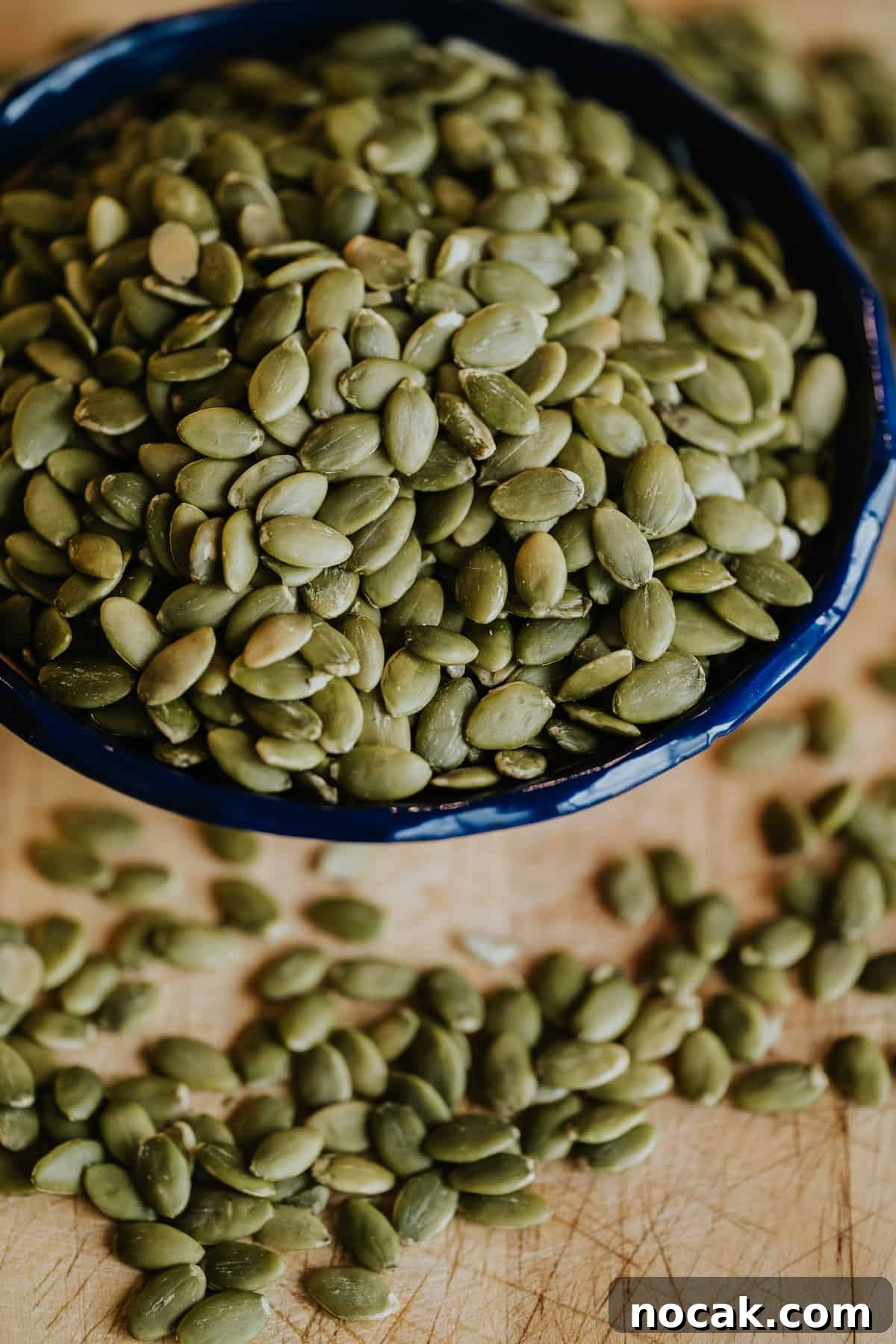
If you’ve ever wondered “What are pepitas? Is that just another name for pumpkin seeds?” you’re in the right place. This guide explores what pepitas are, how they differ from other pumpkin seeds, where they come from, and how to use them in the kitchen.
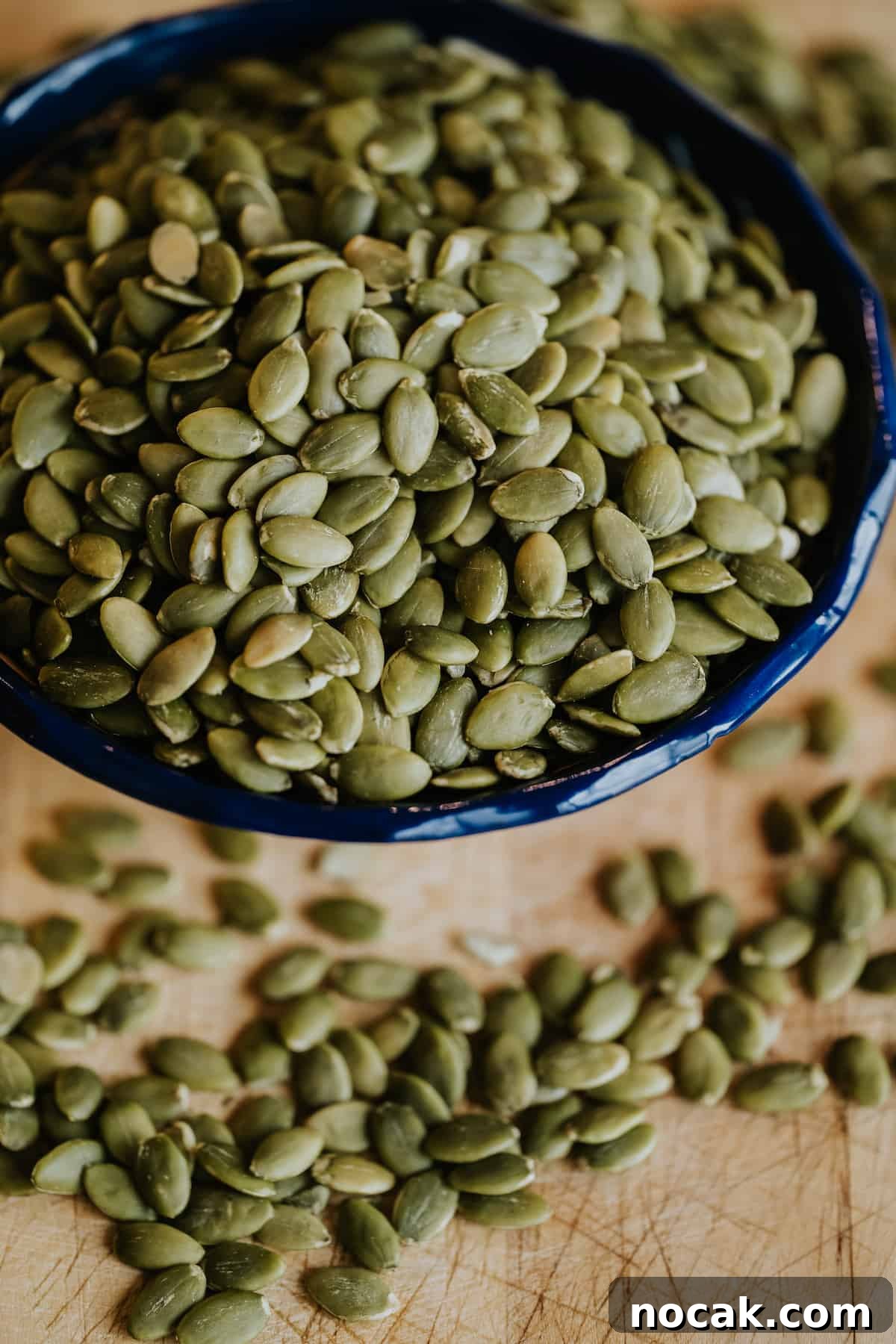
What are Pepitas?
Pepitas—literally “little seeds of squash”—are seeds commonly used in Latin American cooking. While many people use “pepitas” and “pumpkin seeds” interchangeably, there’s a useful distinction: pepitas are the seeds from specific hull-less varieties of pumpkins. In other words, all pepitas are pumpkin seeds, but not all pumpkin seeds are pepitas.
Where do Pepitas Come From?
Pepitas are harvested from hull-less or oil-seed pumpkins, often called Styrian pumpkins or naked-seeded pumpkins. These varieties yield seeds that are naturally without a thick white hull and tend to be green or greenish. Some popular strains for growing include Lady Godiva, Triple Treat, and Naked Bear. These pumpkins typically mature in about 90 days, and the flesh is also edible for recipes like candied pumpkin or homemade purée.
Pepitas vs. Pumpkin Seeds
The key difference is the hull. Traditional pumpkin seeds have a white, flat hull that many people remove before eating. Pepitas, by contrast, come from specific varieties that produce tender, often green seeds without a thick shell. Flavor-wise, pepitas are generally meatier, more tender, and slightly sweeter than hulled pumpkin seeds.
Where to Buy Pepitas
What used to be a specialty item is now easy to find: most grocery stores carry raw or roasted pepitas near other nuts and seeds. Hispanic markets are also reliable sources. Because pepitas contain healthy oils, they can turn rancid faster than some other seeds. For best results, store them in an airtight container away from heat and light, or refrigerate or freeze them for longer storage.
How Long do Pepitas Last?
Opened pepitas stored at room temperature in a sealed, opaque container will typically stay fresh for up to three months. Refrigerated, they can last about six months. If you prepare and dry them yourself, expect a slightly shorter shelf life—add roughly one month to homemade storage estimates compared with commercial packaging.
How to Use Pepitas
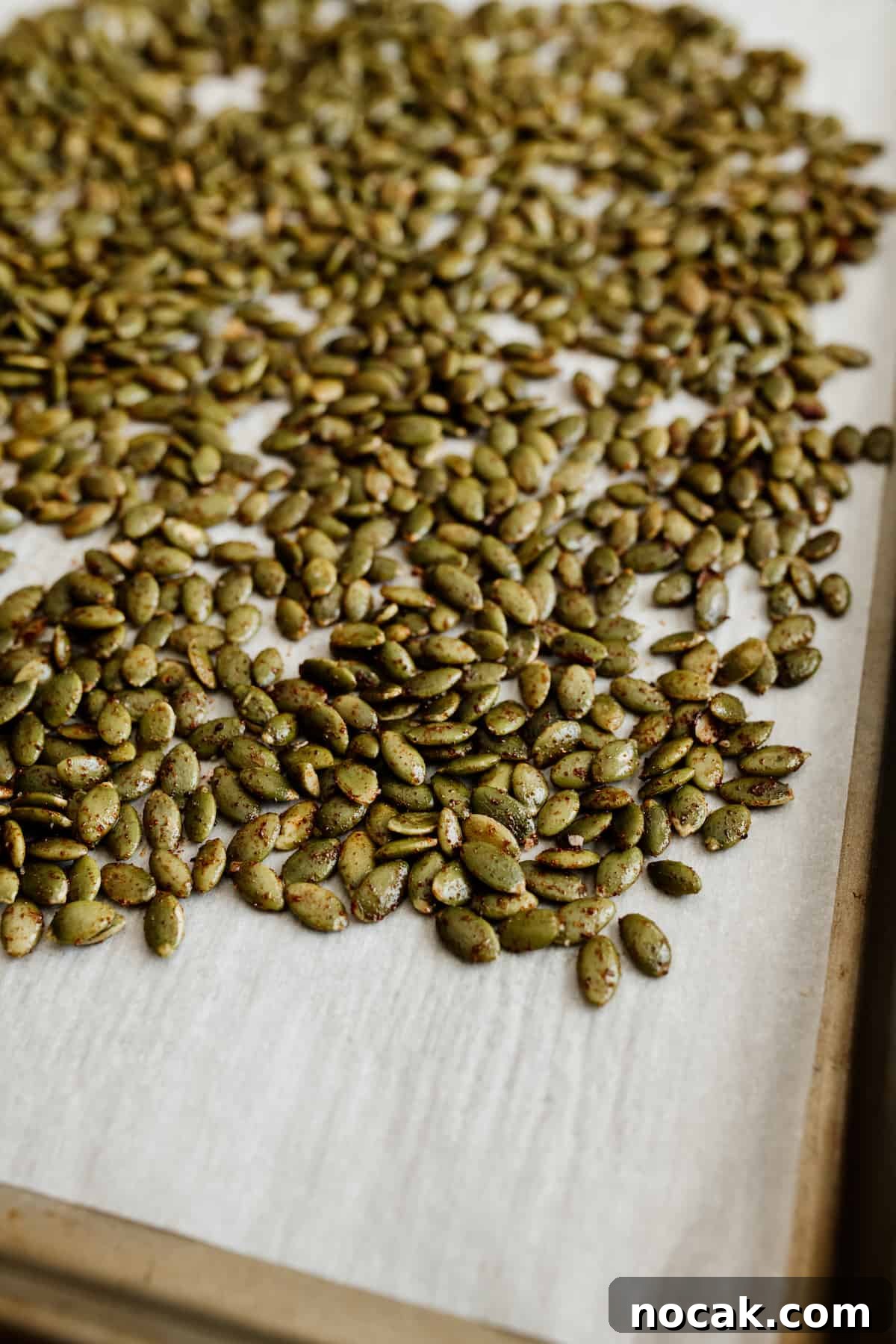
Pepitas are versatile—great raw, roasted, sweetened, or spiced. They add texture, flavor, and nutrition to many dishes. Here are practical ideas for using them:
- Pine nut alternative: Use pepitas in pesto, salads, cookies, and granola as a budget-friendly substitute for pine nuts.
- Nut-free butter: Blend pepitas into a creamy seed butter that works well on toast or in recipes that call for nut butter.
- Breading substitute: Finely chopped pepitas make a flavorful, low-carb coating for chicken, pork, or fish.
- Snack: Roast with salt or spices—chili-lime, smoky, or sweet candied versions are all delicious.
- Sweet applications: Candied pepitas are wonderful on their own or as a crunchy topping for ice cream and desserts.
- Add crunch: Sprinkle pepitas on salads, cheese boards, yogurt parfaits, and charcuterie for extra texture and flavor.
Recipes made with Pepitas
To get started, try adding pepitas to salsas, salads, and soups. They work especially well in dishes like salsa macha, spicy chickpea salad, carne asada steak salad, or pozole verde. Use them as a garnish, an ingredient in dressings and pestos, or a crunchy topping on grain bowls.
Nutritional Benefits of Pepitas
Pepitas are nutrient-dense and offer several health benefits:
- Antioxidants such as carotenoids and vitamin E
- Magnesium, which supports many body functions
- Heart-healthy fats, including beneficial unsaturated fats
- Dietary fiber that supports digestion
- Plant-based protein for satiety and muscle support
- Zinc for immune health
- Iron to help maintain energy
- Tryptophan, an amino acid associated with mood and sleep support
Frequently Asked Questions
Pepitas are seeds from a specific variety of pumpkin, though they function as a nut alternative in many recipes.
No. Pepitas are seeds and are not classified as tree nuts.
Yes, pepitas are naturally gluten-free.
No. Sunflower seeds come from sunflowers and usually have shells; pepitas come from oil-seed pumpkins and are typically hull-less.
Yes. Because of their oils, pepitas can go rancid. Store them airtight in a cool, dark place or refrigerate or freeze to extend shelf life.
They’re great for snacking, garnishing, adding crunch to dishes, and replacing pricier nuts like pine nuts.
More Ingredient Deep Dives
- What Is Piloncillo? All About Mexican Brown Sugar
- Queso Fresco: All About Mexico’s Favorite Fresh Cheese
- Tomatillos Unwrapped: The Secret Star of Mexican Cuisine
Photography by Jenna Sparks