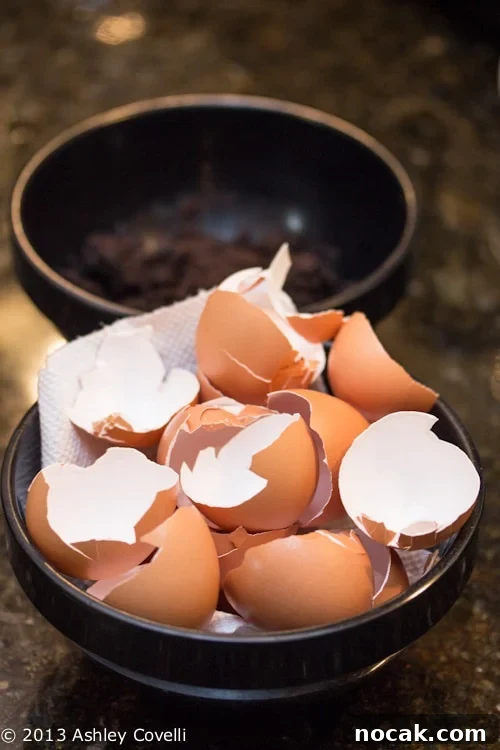
Enjoying eggs and coffee this morning? Don’t toss the scraps—save them to nourish your garden. Coffee grounds and eggshells are simple, natural amendments that can improve soil health and benefit many plants.
Why coffee grounds and eggshells help
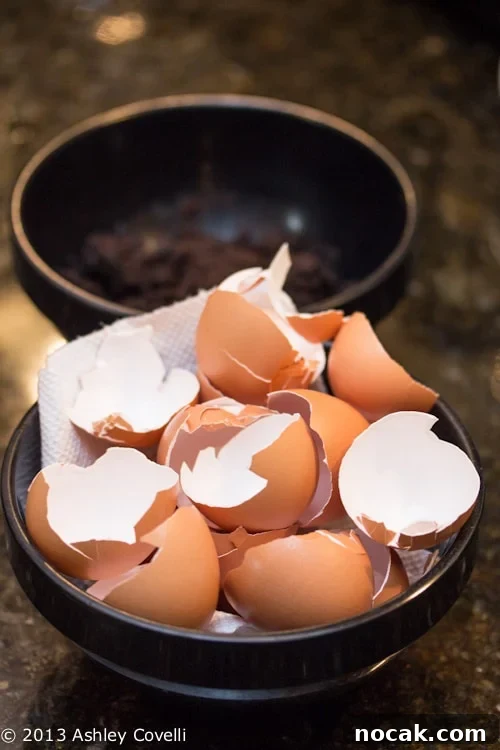
Coffee grounds add organic matter and small amounts of nitrogen, which supports soil microbes and improves structure. Eggshells are primarily calcium carbonate, which can help prevent blossom end rot in tomatoes and support sturdy cell walls in many vegetables. Used together, they create a low-cost, eco-friendly way to recycle kitchen waste while feeding your garden.
How to prepare eggshells
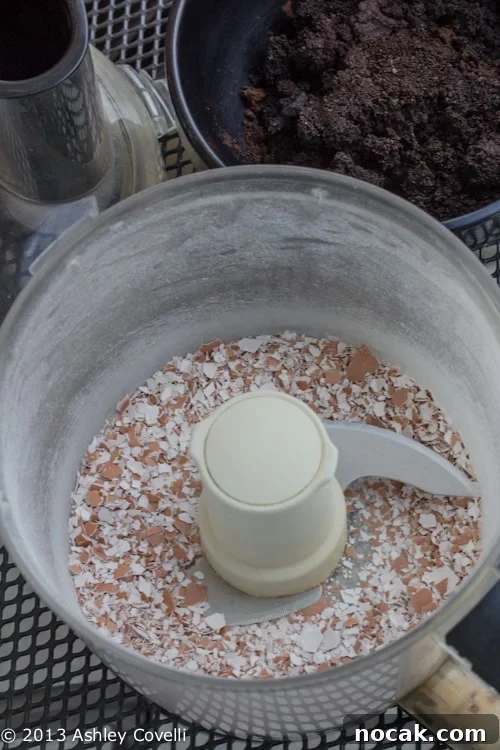
After using eggs for breakfast, rinse the shells briefly to remove egg residue and let them dry. Drying prevents odors and makes the shells easier to grind. Once dry, pulse the shells in a food processor, blender, or coffee grinder until you have a fine powder. Finely ground shells break down faster in the soil and are easier for plant roots and soil organisms to access.
How to use coffee grounds
Fresh or used coffee grounds can both be used in the garden. Spread a thin layer around plants or mix grounds into potting soil or compost. Avoid piling a thick layer directly on top of the soil where it can compact and repel water; instead, work a modest amount into the top inch of soil or mix with other organic material. Grounds contribute organic matter, help retain moisture, and can slightly acidify neutral soils over time.
Combining and applying both
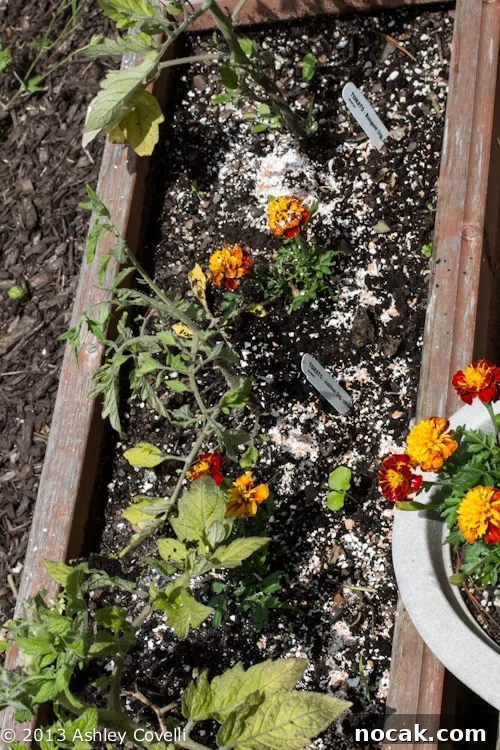
Sprinkle the powdered eggshells over the planting area and scatter the coffee grounds nearby, then gently work both into the topsoil with a hand rake or garden tool. For tomatoes, apply a tablespoon or two of ground eggshells around each plant and mix a small amount of coffee grounds into the planting hole or topsoil. Water after application to help incorporate the amendments and activate beneficial microbial activity.
Tips and precautions
- Use eggshells in moderation. While calcium is beneficial, excessive amounts are unnecessary; a light application a few times per season is usually enough.
- Composting both eggshells and coffee grounds is another effective approach. Composting them first allows them to integrate with other organic matter and reduces any potential for attracting pests.
- If you have very alkaline soil, be cautious with large amounts of eggshells. Conversely, coffee grounds are mildly acidic and can help balance neutral soils over time.
- Keep grounds in a thin layer and avoid compacting them. If grounds clump on the surface, mix them in or combine with other organic materials.
Real results
Many home gardeners report healthier plants and improved yields when they routinely add small amounts of eggshells and coffee grounds. Tomatoes, in particular, respond well to the added calcium from shells, which helps reduce problems like blossom end rot. Over time, the added organic matter from grounds improves soil structure and supports beneficial soil life.
By saving a few simple breakfast scraps and applying them thoughtfully, you cut waste and give your garden a natural nutrient boost. Try it this season and observe how your plants respond—small changes can lead to tastier, healthier harvests.