I live in Seattle and recently discovered, the hard way, that a raccoon was living in the empty lot behind my house.
We named him Ciscoe, after a beloved local gardening figure. Ciscoe proved to be relentless: he tore through the lawn we planted and trashed my first raised bed. After trying many approaches, I finally found a set of strategies that significantly reduced the damage. This post summarizes what I learned—how to tell if you have raccoons, what didn’t work, and what did.
How to identify raccoons
Raccoons are mainly active at night, so spotting them directly can be rare. Look for these signs instead; they helped me confirm Ciscoe’s nightly visits:
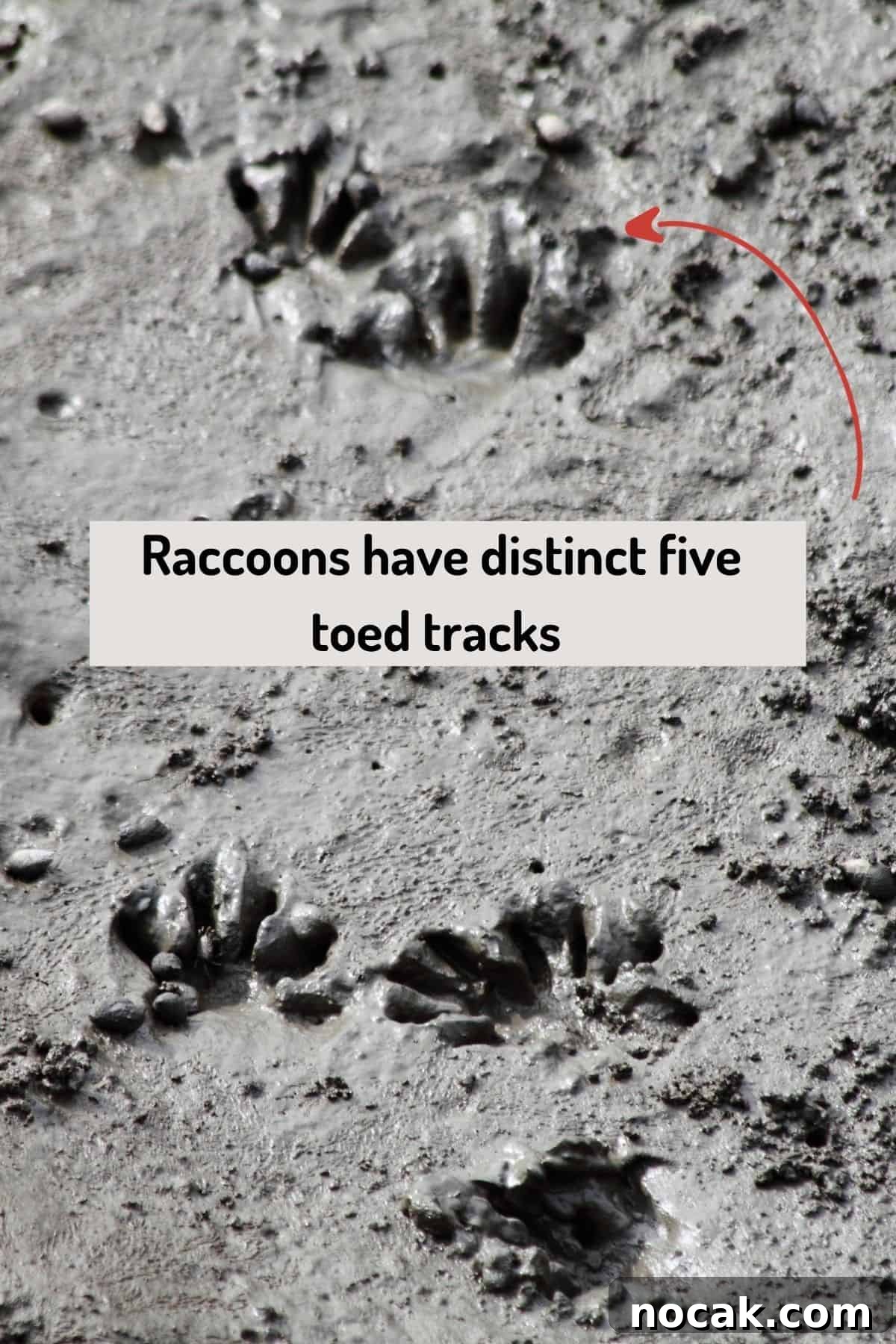
- Distinct paw tracks — raccoons have five toes on each foot and leave very recognizable tracks in soft soil or mulch.
- Feces in concentrated spots — raccoons often use the same locations repeatedly. Their droppings can carry parasites and are a health risk, so be careful when cleaning and wear gloves.
- Tipped-over trash cans — raccoons raid garbage for food and shiny objects; overturned bins are a common sign.
- Numerous holes — raccoons dig in lawns, compost, and mulch to find grubs and other food; expect dug-up patches and uprooted plants.
- Attacks on poultry or eggs — they can reach into coops, steal eggs, and sometimes harm chickens.
Why are raccoons a problem?
Raccoons are persistent, curious, and surprisingly dexterous. They climb, jump, and can squeeze through gaps to reach food. Their front paws work almost like hands, letting them open lids, pry at fences, and manipulate objects.
They’re omnivores and will eat plants, pond fish, compost, and anything edible in your yard. Because they can carry diseases and parasites, including rabies and roundworms, it’s important to discourage them from spending time near play areas or food sources.
How do you keep raccoons out of your garden?
Preventing access is the most effective strategy. A mix of physical barriers and deterrents tends to work better than relying on a single method. In my experience the best approach combined three things:
- Sturdy wire fencing around raised beds
- Motion-activated deterrents (sound, light, or sprinklers)
- Strong-smelling repellents such as cayenne, soap, or predator scents
First, locate the entry points raccoons are using. In my yard a gap in a trellis facing an empty lot was the main access. Targeting that spot let me concentrate deterrents where they mattered most.
Regular fencing and crop cages
I could not change the property’s perimeter fence due to local rules, so I built protective cages over the raised beds. I used PVC frames, wooden stakes, and heavy-gauge chicken wire to form collars and tall cages around each bed. The fence material I used had 1/2″ openings and was thick enough to prevent raccoons from chewing through.
To access the beds, I built a framed panel that acted as a door. Anchor the bottom of that door to the ground—my initial design without secure ground staples allowed Ciscoe to pry it open. Once properly anchored, the cages stopped most of the damage.
Three tips for building crop cages:
- Decide on door or removable top — hinged doors let you build taller cages for vining crops; removable tops are easier to install and take down.
- Keep beds reachable — don’t make the cage so wide that you can’t tend plants in the center; consider doors on both sides if needed.
- Use the right wire gauge — choose 19 gauge or thicker and openings 1″ or smaller to prevent paws from pushing through.
Motion-activated devices
Motion-activated tools include sound emitters, lights, and sprinklers. I tried an ultrasonic sound device aimed at the entry point; I noticed the raccoon startle and retreat a few times, but overall it had limited long-term effect. Some neighbors have success with motion lights or sprinklers, while others prefer leaving a low-volume radio or light on overnight. Results vary by animal and location.
Strong-smelling substances
Raccoons have sensitive noses. When they come into contact with irritants, it can be uncomfortable enough to deter them. I used a combination of:
- Cayenne pepper — inexpensive and easy to sprinkle around the garden, though it needs reapplication after rain.
- Bar soap — certain soaps are reportedly offensive to raccoons; I cut bars into small chunks and scattered them near likely entry points.
- Predator scent — synthetic predator urine can be effective because it signals a nearby threat; I applied it sparingly on absorbent material and secured it out of direct contact with soil or plants.
Use repellents carefully to avoid harming beneficial wildlife, pets, or plants, and reapply after heavy rain.
Electric fencing and other options
Electric fencing is a proven solution but can be costly and requires a proper setup for safety. I chose non-lethal, humane methods since I didn’t want to injure the animal or risk affecting nearby wildlife.
Methods I tried that were ineffective: raccoon spikes (they walked over them), motion-activated sprinklers (they treated them as a brief nuisance), granular repellents placed on the ground (they ignored them), and leaving lights or radios on overnight (no observable effect).
Have you tried any of these methods or something different? Share what worked for you and any tips you picked up along the way.