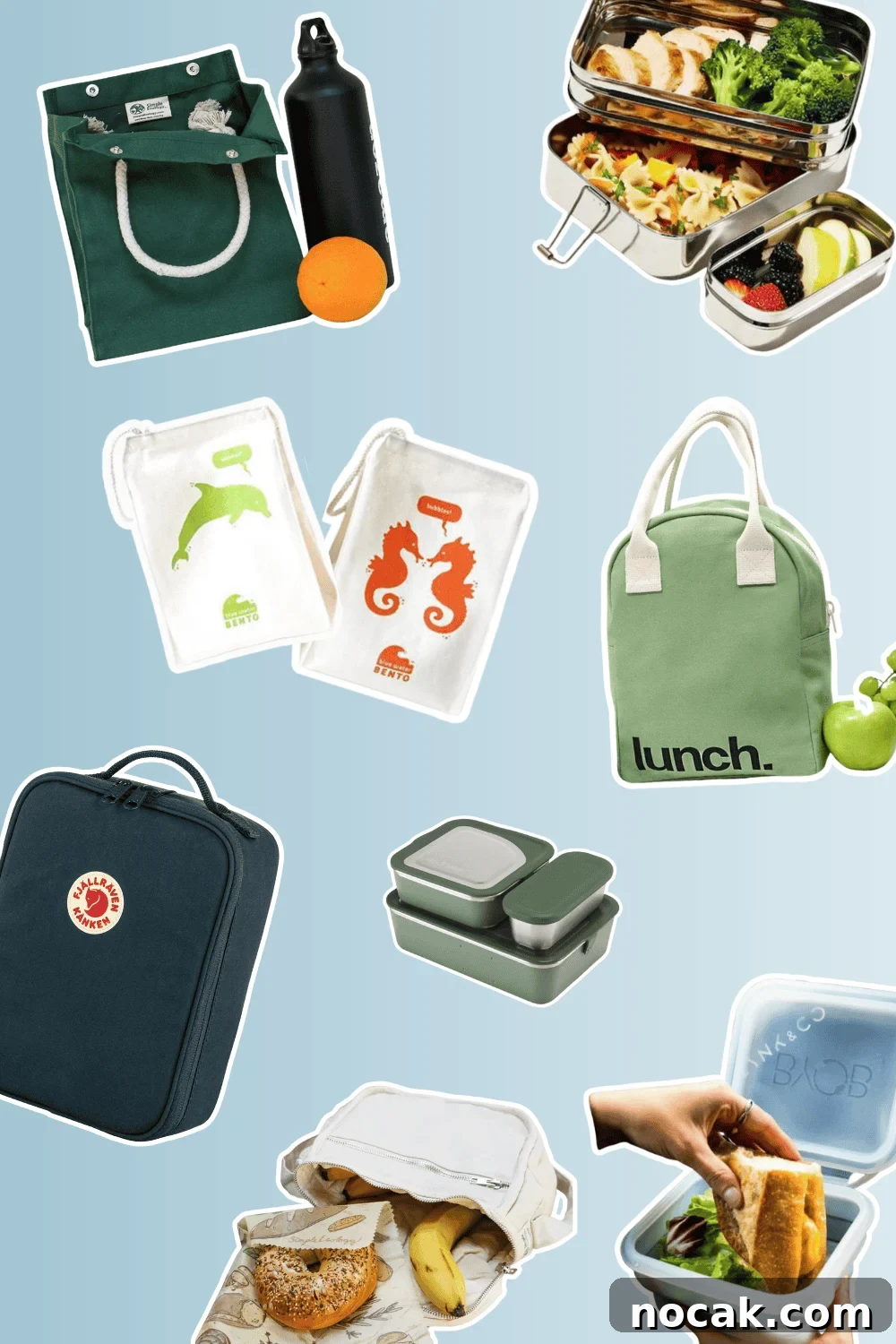
A lot of lunch boxes and bags are made with PVC or other plastics that can contain hormone-disrupting chemicals like BPA and phthalates. Reducing exposure to these chemicals is especially important for items that touch food. Being mindful about the materials your lunch gear is made from can help keep those substances out of your meals.
Below I explain which materials to choose and which to avoid, and share recommended non-toxic lunch boxes and bags for adults and kids. I also include additional lunchtime gear like ice packs and utensils.
What this guide covers:
- My favorite non-toxic lunch boxes, bags, & bento boxes (for the whole family)
- Fluf (organic cotton lunch bags)
- ECOlunchbox (stainless steel lunch boxes and non-toxic bento boxes)
- Etsy (plastic-free lunch bags of various types)
- Fjallraven (insulated cooler lunch box)
- Klean Kanteen (stainless steel & silicone boxes)
- BYOB
- Austin Baby Collection (leak-proof silicone bento boxes)
- Pura
- Milkdot
- More non-toxic lunch gear
- 1. Baggies & other storage necessities
- 2. Ice packs
- 3. Utensils
- 4. Napkins
- 5. Water bottles
- What to choose? Lunch boxes, bento boxes, lunch bags—oh, my!
- Materials to be careful of
- PVC
- Phthalates
- BPA & other bisphenols
- Water/stain-resistant PFAS chemicals
- Safer lunch box/bag materials to look for instead
- Cotton or organic cotton
- Stainless steel
- Silicone
- Safer plastics
- Food-grade everything
- Brands that didn’t make the cut
This guide contains product recommendations and some items may be sold through retailers. Recommendations are made based on safety and material transparency.
Related Articles:
- Non-Toxic Backpacks
- Safe, Plastic-Free Food Storage Containers and alternatives to Ziploc baggies
- Non-Toxic Back to School Guide
- Organic Clothing Brands for Babies, Kids, & Tweens
My favorite non-toxic lunch boxes, bags, & bento boxes (for the whole family)
Here are reliable brands that prioritize safer materials and transparency. If you want the science behind the materials, read the section below on safer and problematic materials.
Fluf (organic cotton lunch bags)
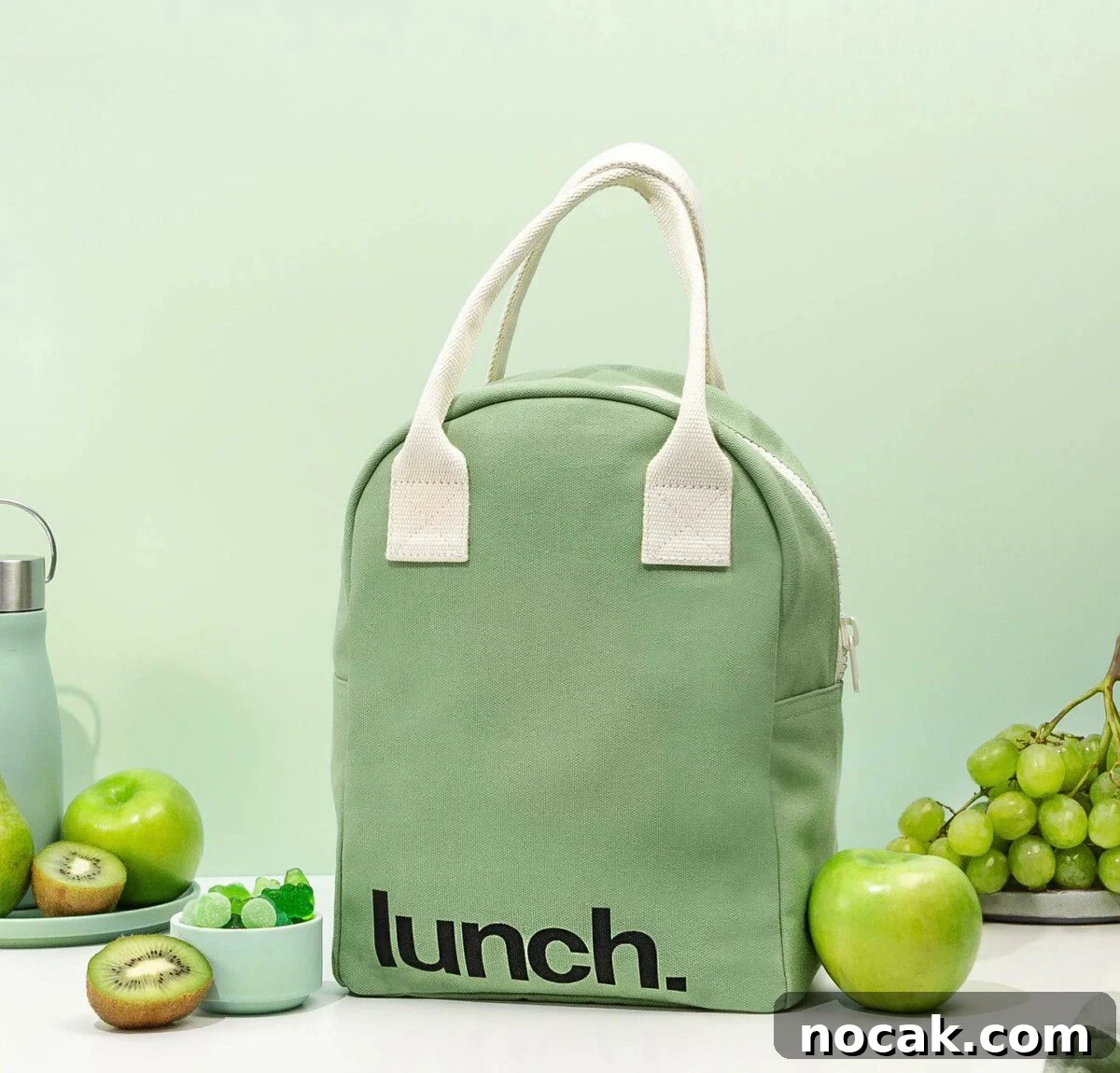
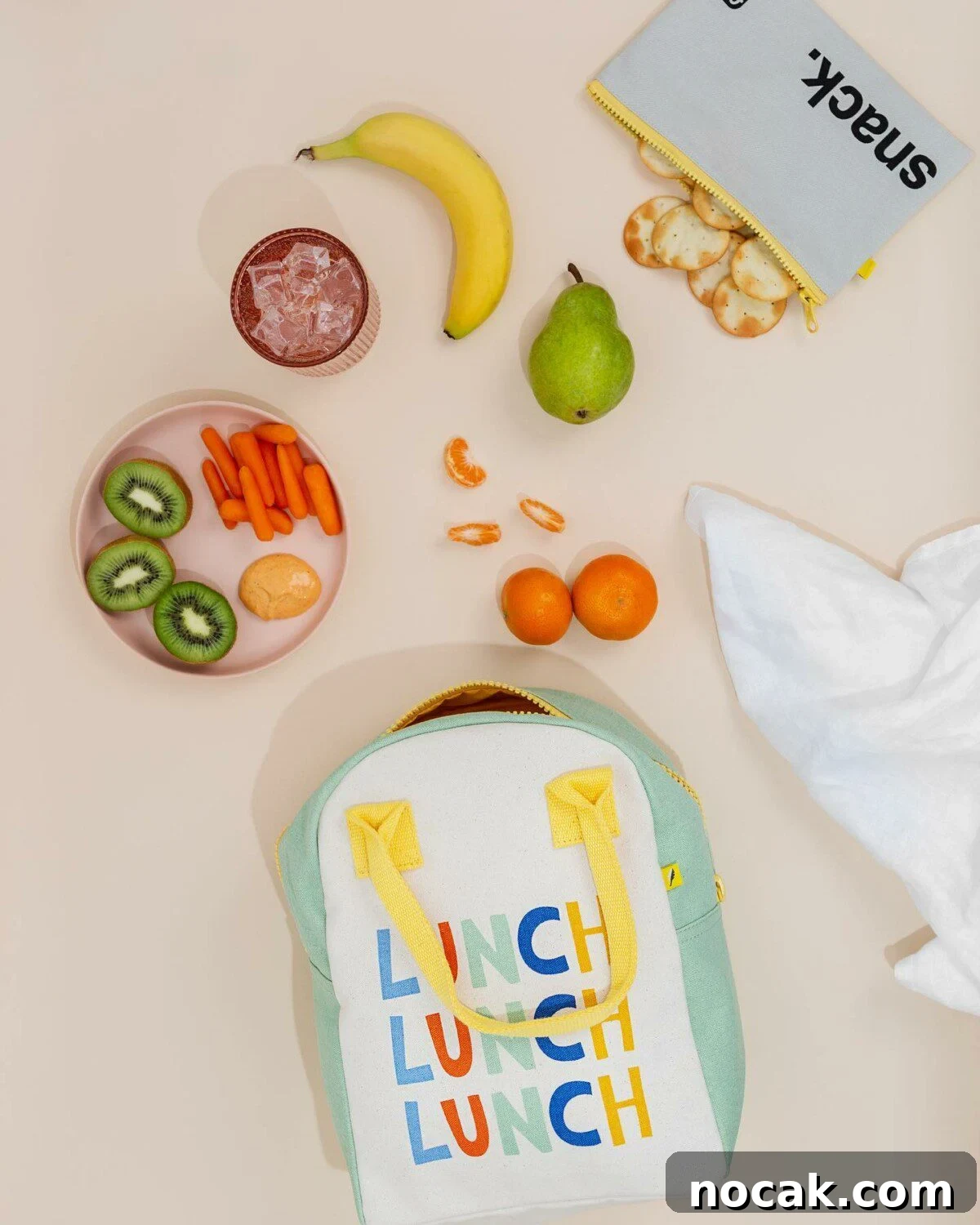
Types: Lunch bags, sandwich & snack bags, backpacks
Best for: Adults, kids, & toddlers
Materials: Organic cotton + rPET lining
Plastic-free? No (but minimizes plastic)
Fluf offers machine-washable lunch bags, sandwich and snack bags, and backpacks. Their outer fabrics are GOTS-certified organic cotton using low-impact dyes. Linings are GRS-certified rPET that meet OEKO-TEX safety standards, providing water resistance without PFAS. Fluf regularly tests products for BPA, PVC, PFAS, phthalates, heavy metals and other harmful chemicals. They also emphasize ethical manufacturing and reduced plastic use in packaging.
ECOlunchbox (stainless steel lunch boxes and non-toxic bento boxes)
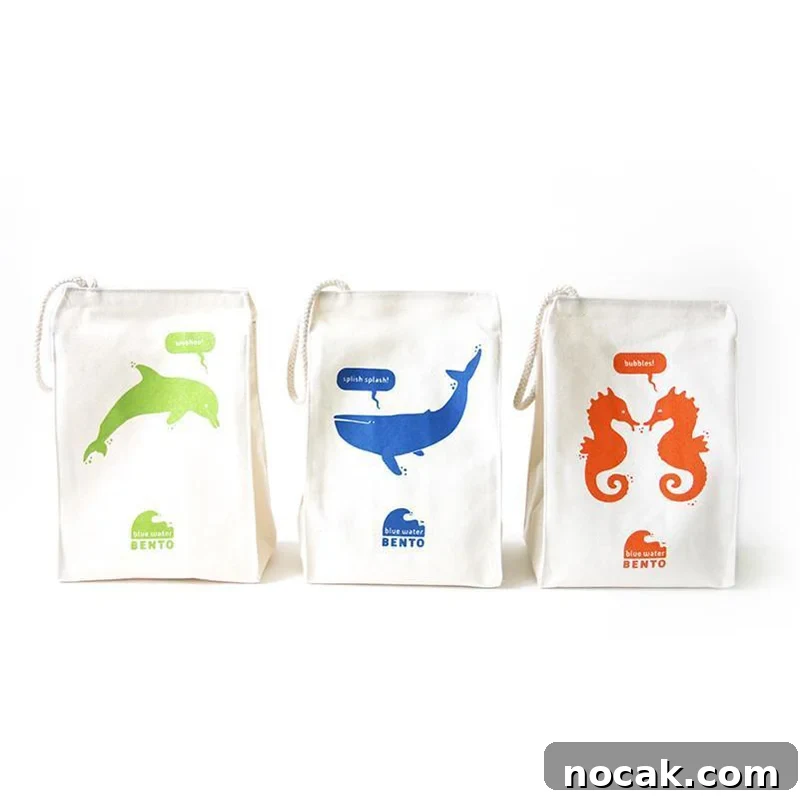
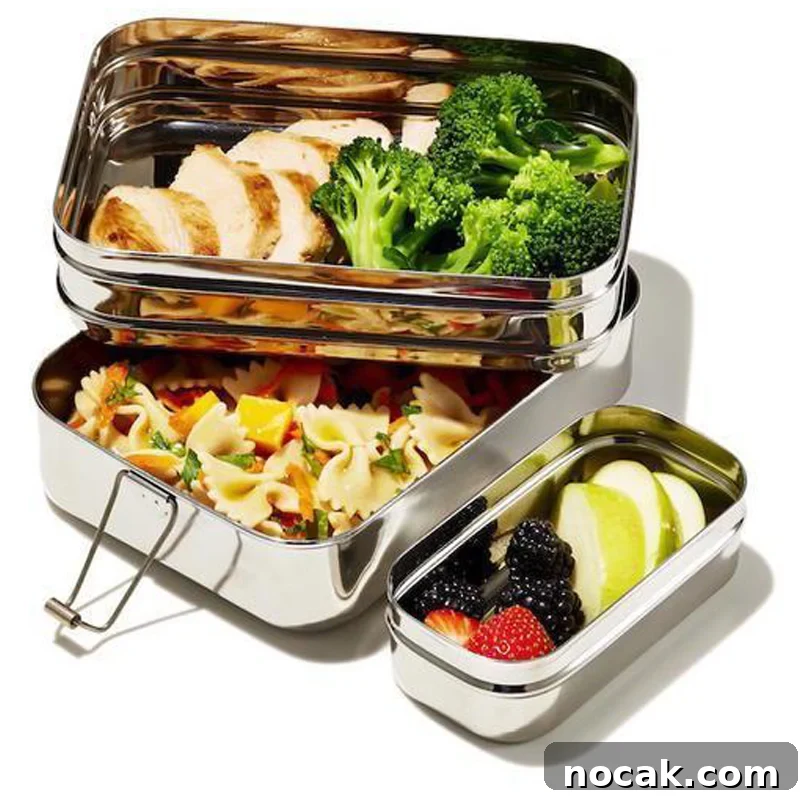
Types: Lunch bags, bento boxes, stainless steel containers
Best for: Kids & adults
Materials: Organic cotton, stainless steel, silicone
Plastic-free options? Yes
ECOlunchbox provides mostly plastic-free options: GOTS-certified organic cotton lunch bags and a range of food-grade stainless steel containers, some with food-safe silicone lids or gaskets. Many containers are leak-resistant and the brand emphasizes sustainability and ethical practices.
Etsy (plastic-free lunch bags of various types)
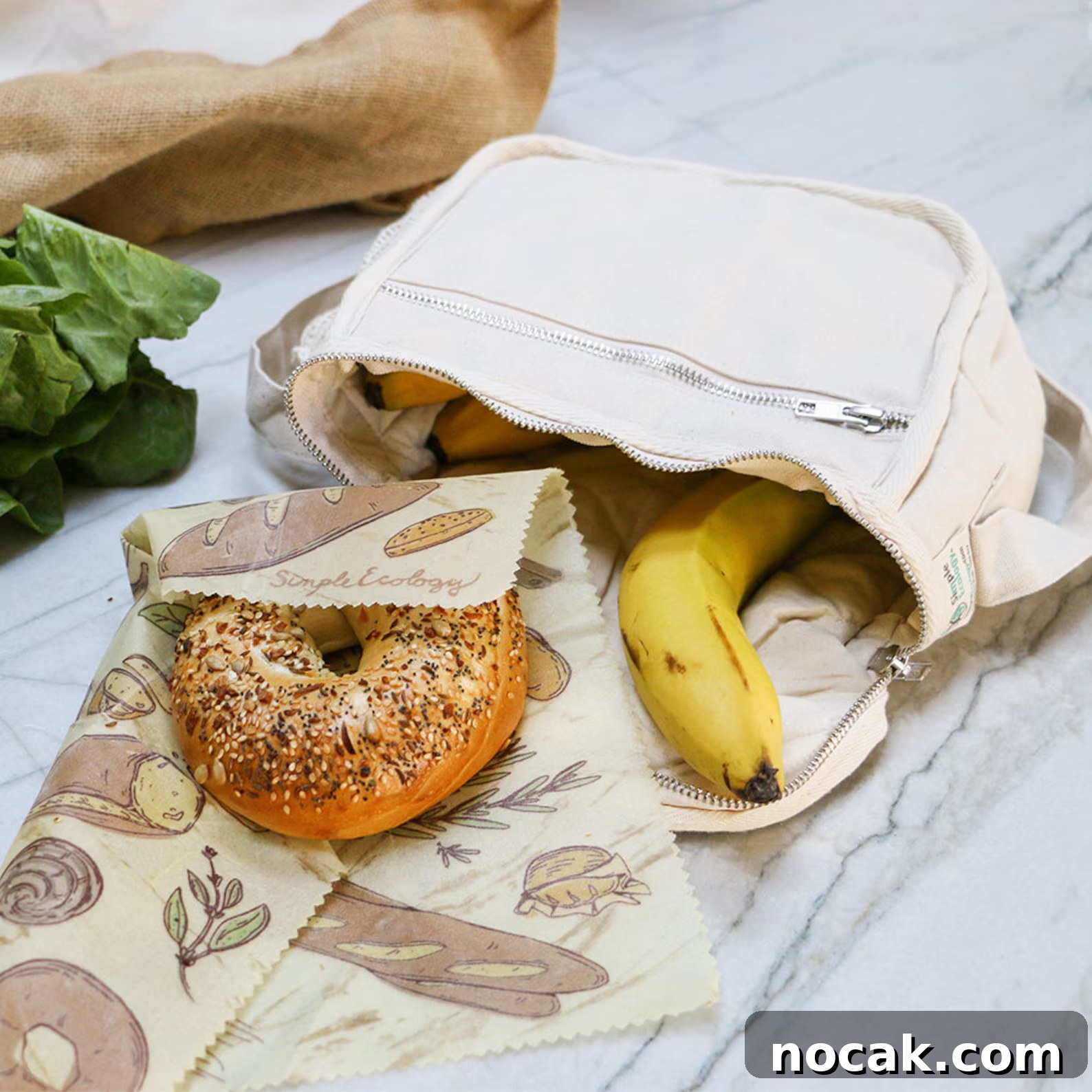
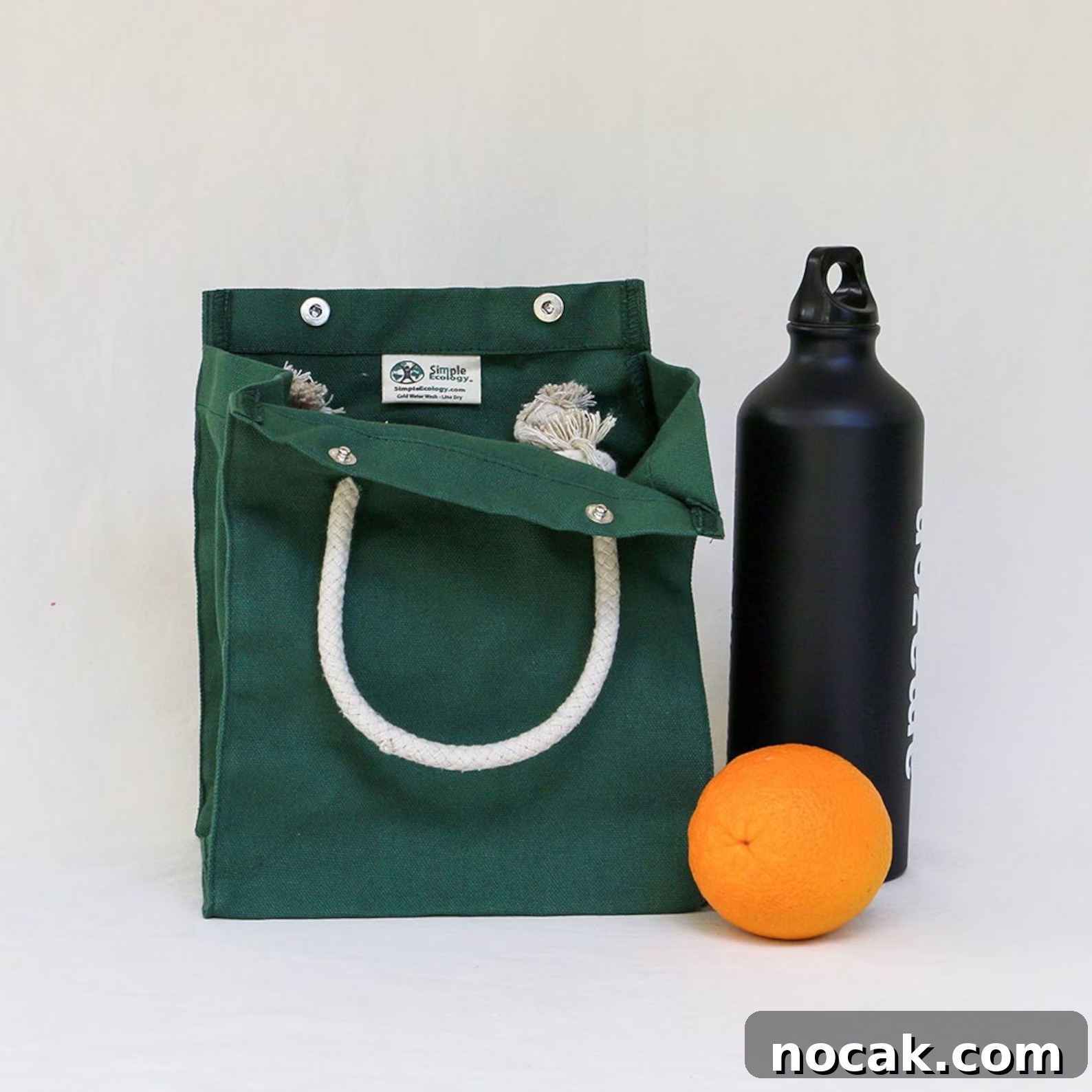
Types: Lunch bags, wraps, snack bags
Best for: Adults & kids
Materials: Organic cotton, linen, wool, natural wax
Plastic-free options? Yes
Etsy sellers offer many plastic-free lunch options: organic cotton zippered lunch bags, waxed canvas bags, tied bento wraps, and reusable snack bags. Quality varies by maker, so check descriptions and ask sellers about materials and finishes to avoid PFAS- or plastic-coated fabrics.
Fjallraven (insulated cooler lunch box)
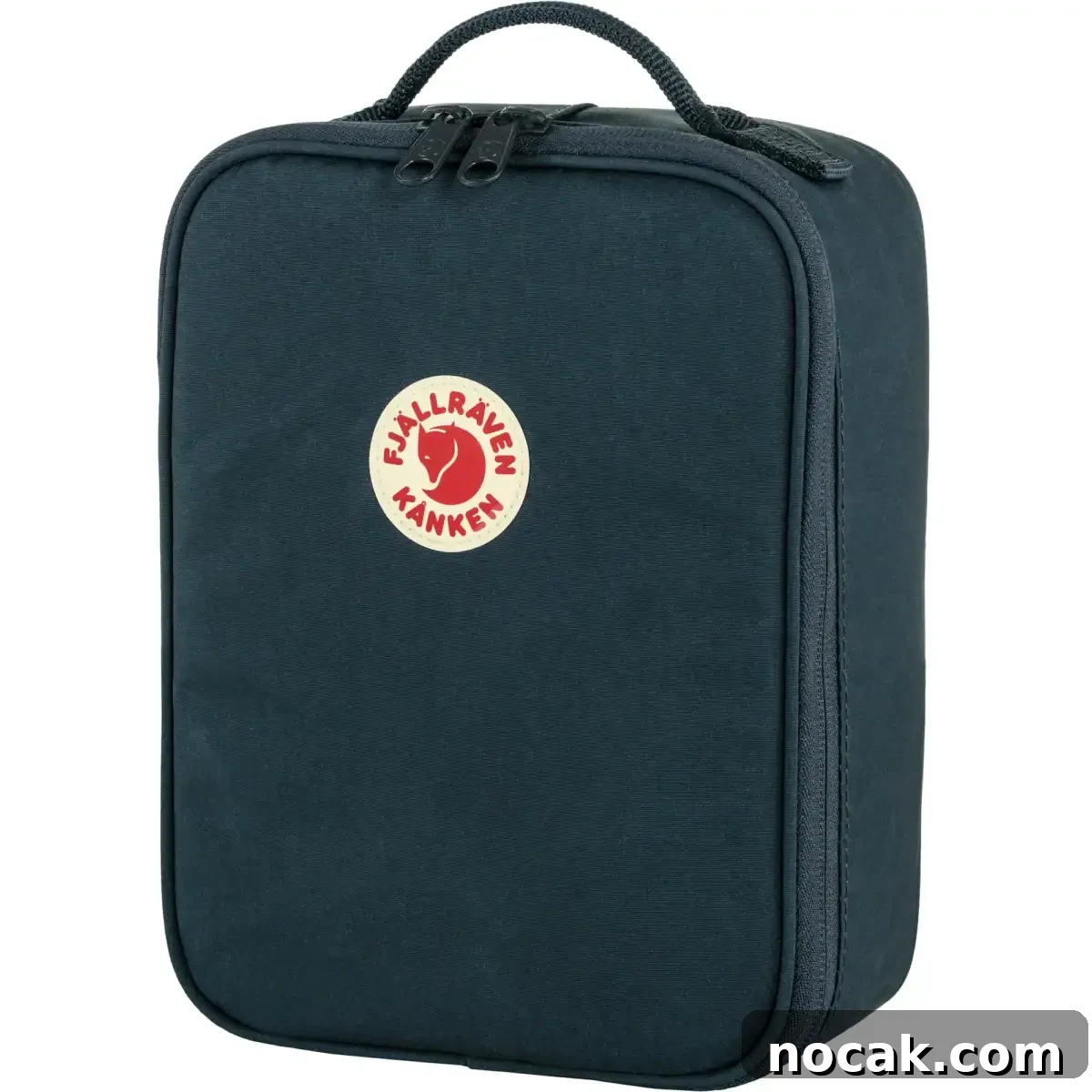
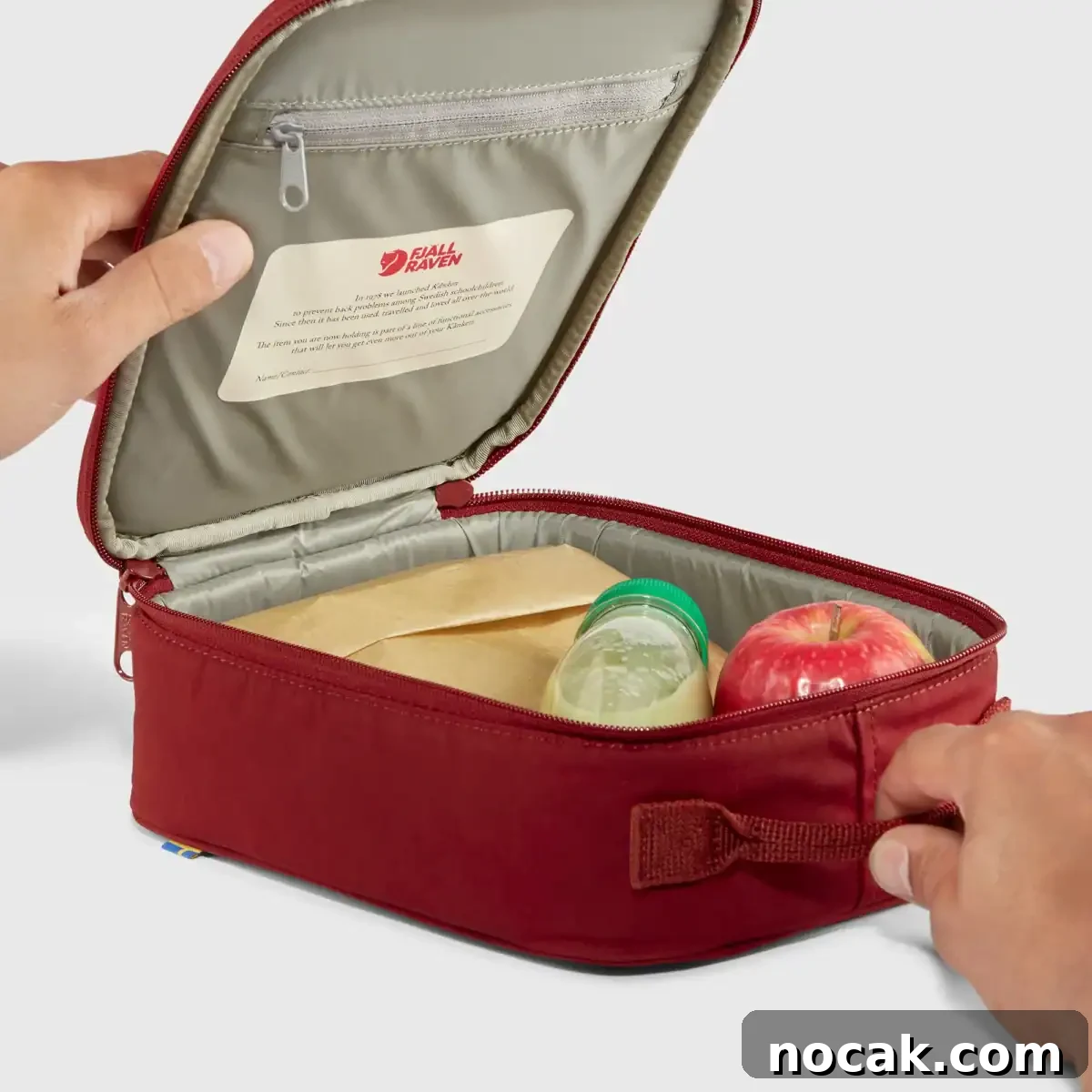
Types: Zip-up lunch box/mini cooler
Best for: Adults & kids
Materials: Organic cotton blended with polyester and polyamide
Plastic-free options? No
Fjällräven’s Kånken Mini Cooler is durable, insulated, and treated to be water-resistant without PFAS. It combines organic cotton with synthetic fibers for longevity and offers lifetime repair services, making it a good long-term option.
Klean Kanteen (stainless steel & silicone boxes)
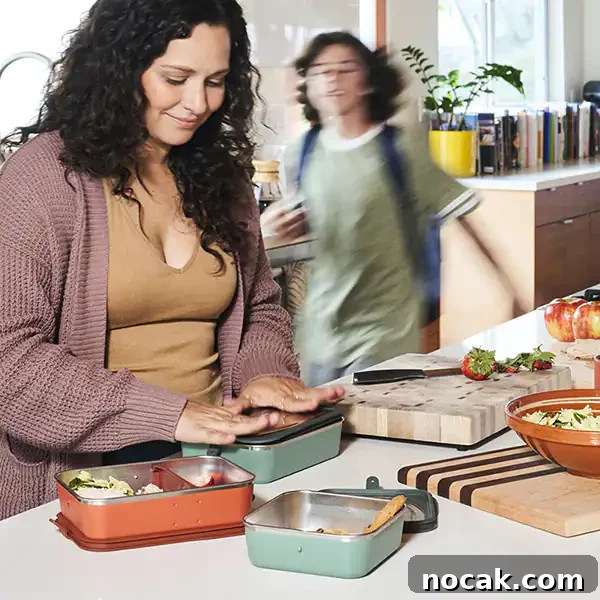
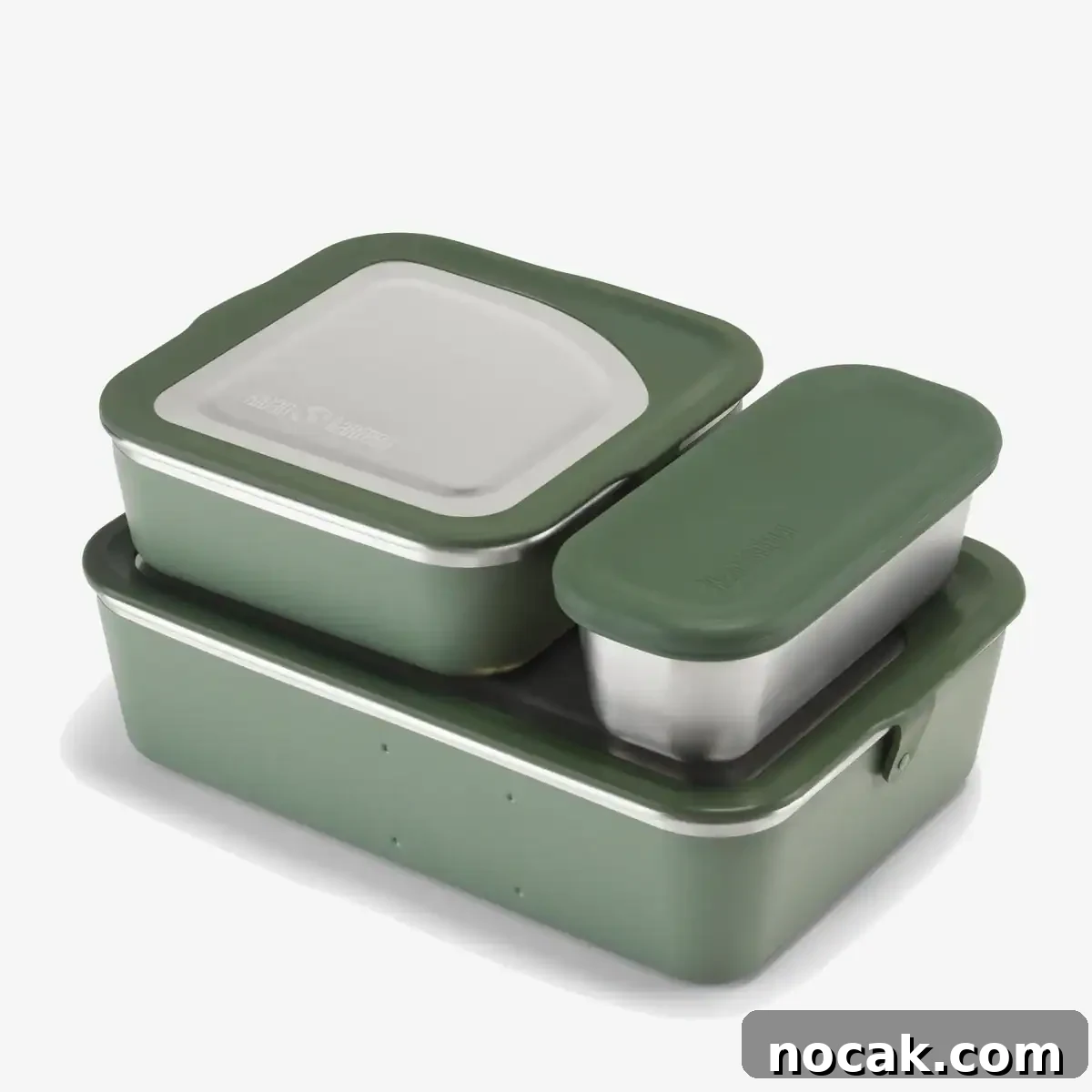
Types: Bento boxes and snack containers
Best for: Adults & kids
Materials: Stainless steel and food-grade silicone
Plastic-free options? Yes
Klean Kanteen’s Rise food boxes come in multiple sizes with food-grade silicone lids and gaskets. They are leak-resistant, dishwasher-safe, and plastic-free at the food-contact surfaces.
BYOB
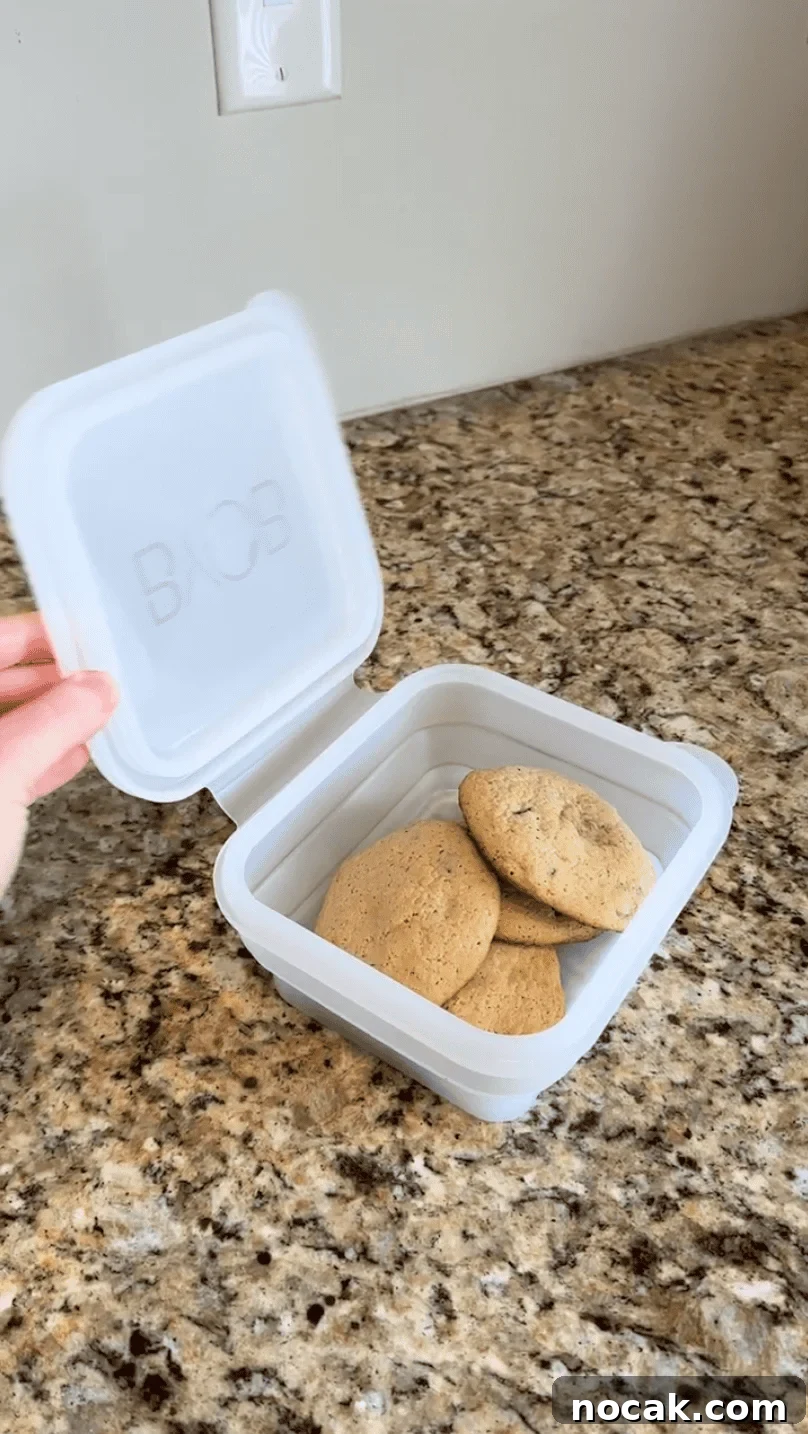
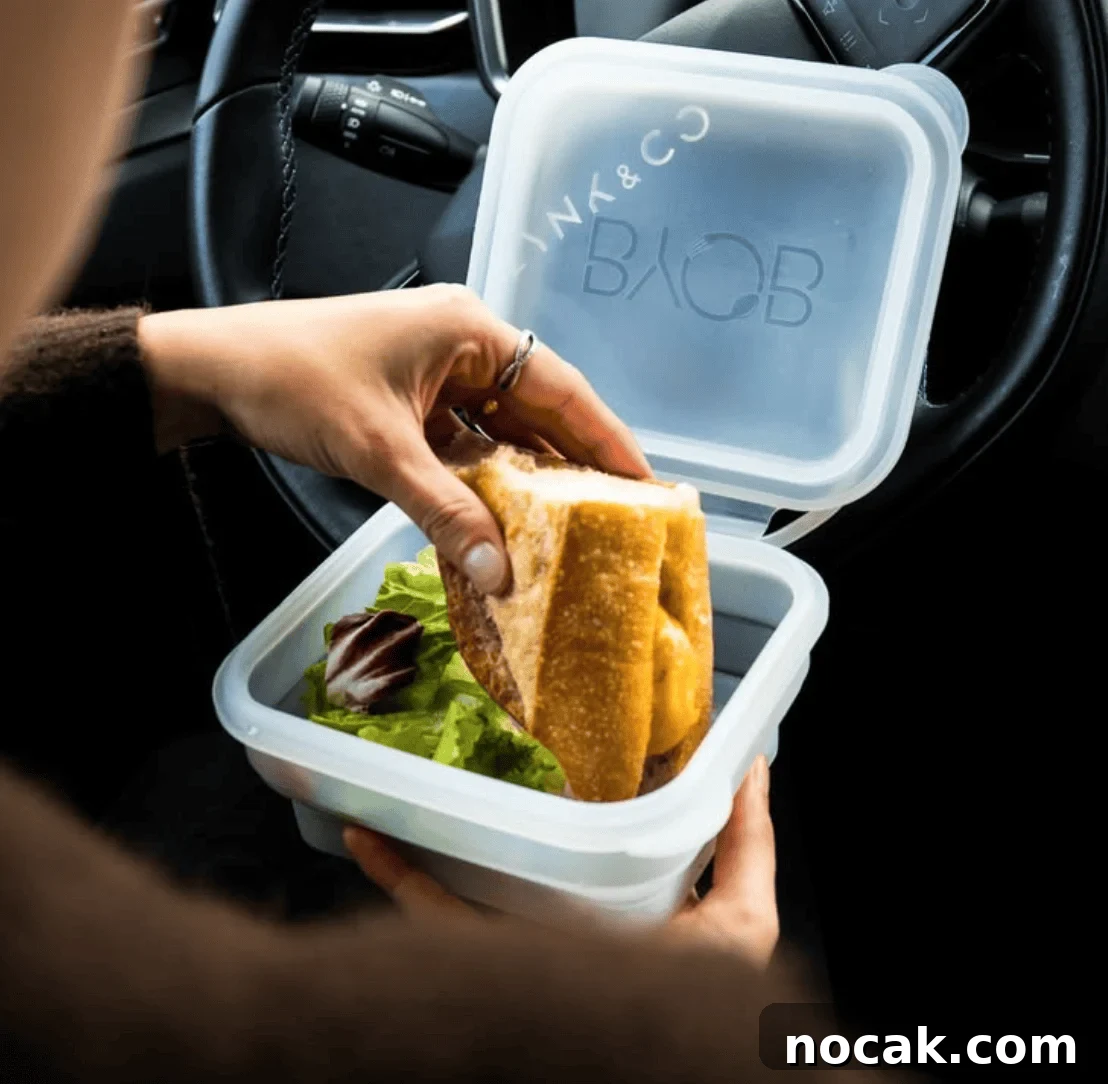
Types: Collapsible silicone boxes
Best for: Adults & kids
Materials: LFGB-certified platinum silicone
Plastic-free options? Yes
BYOB’s collapsible containers are convenient for leftovers and travel. LFGB-certified platinum silicone is a high standard for food-safe silicone; lids stay attached and the containers are dishwasher-safe.
Austin Baby Collection (leak-proof silicone bento boxes)
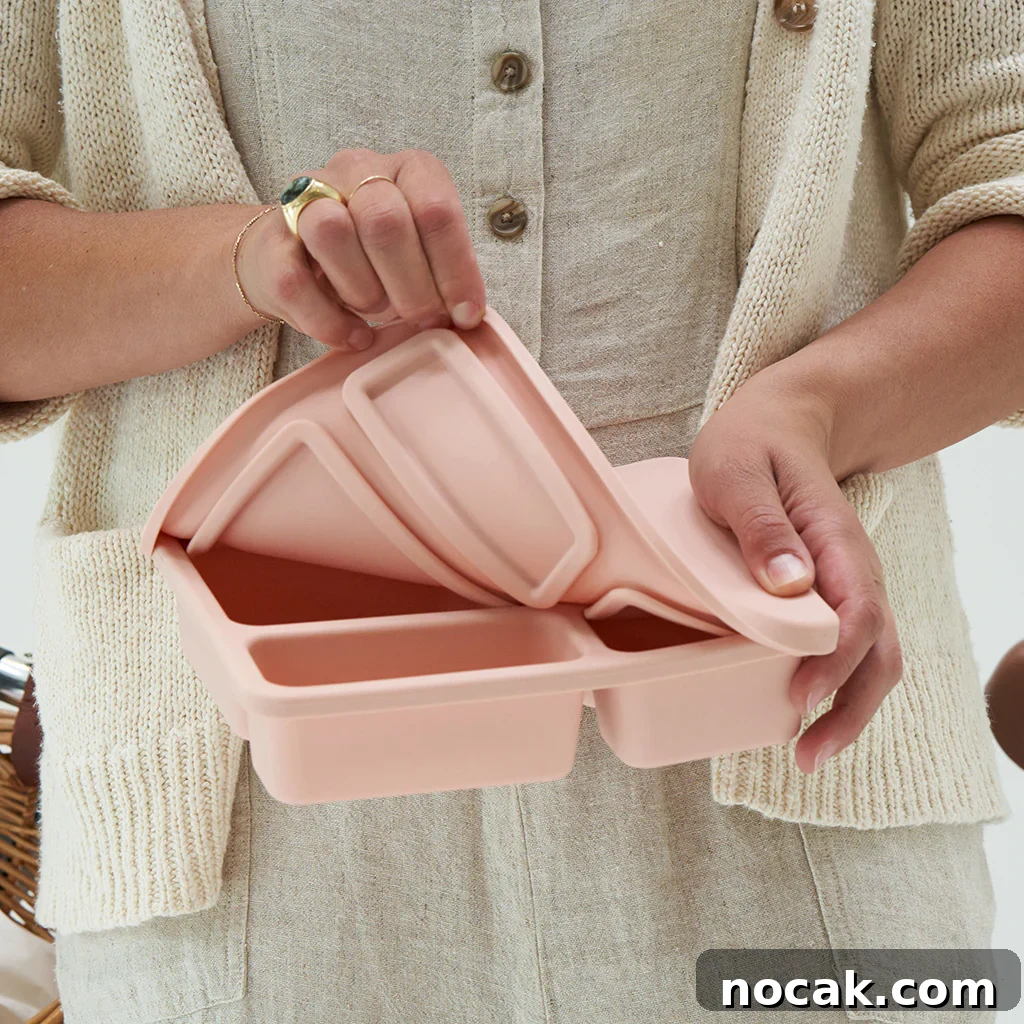
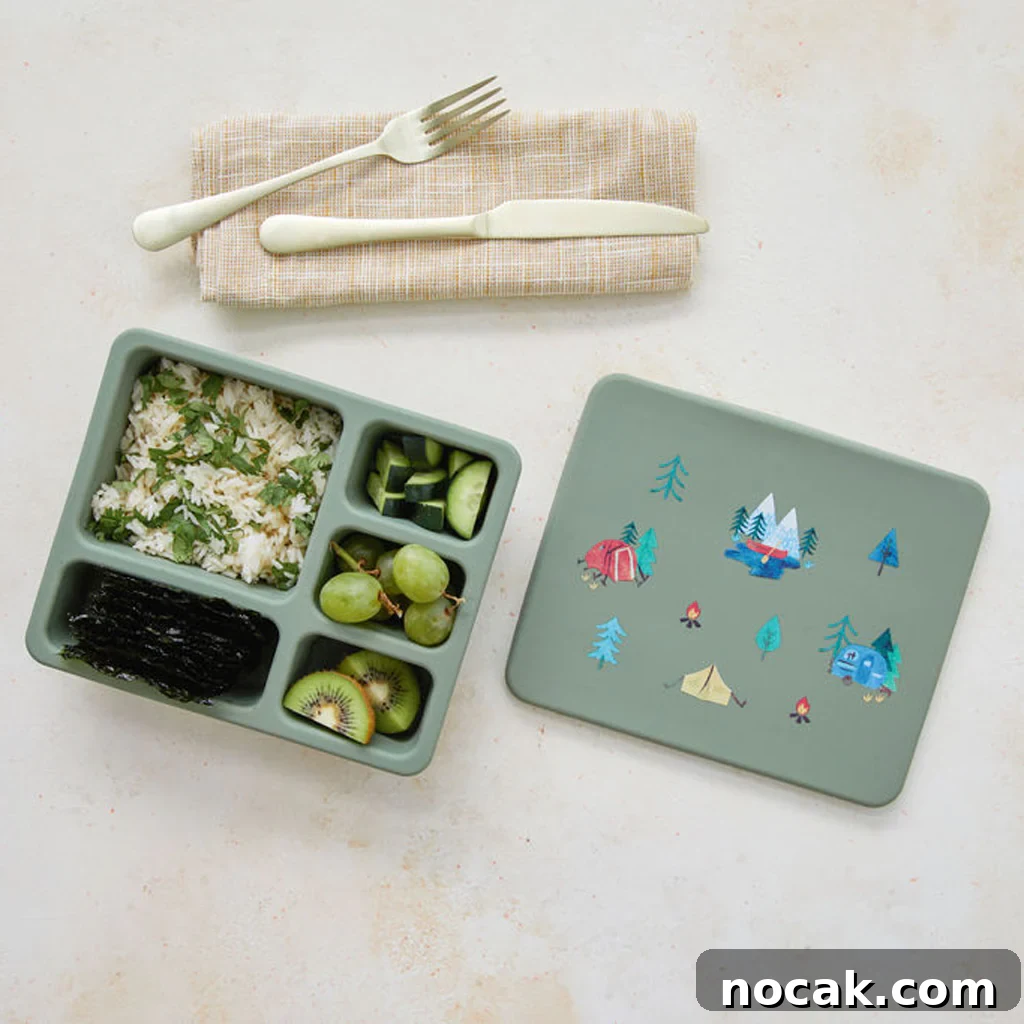
Types: 5-section silicone bento boxes
Best for: Toddlers, kids, teens, and adults
Materials: Food-grade silicone
Plastic-free options? Yes
These silicone bento boxes have individually sealable leak-proof compartments, making them suitable for yogurts, dips, and other watery foods. They come in kid-friendly and mature color options.
Pura
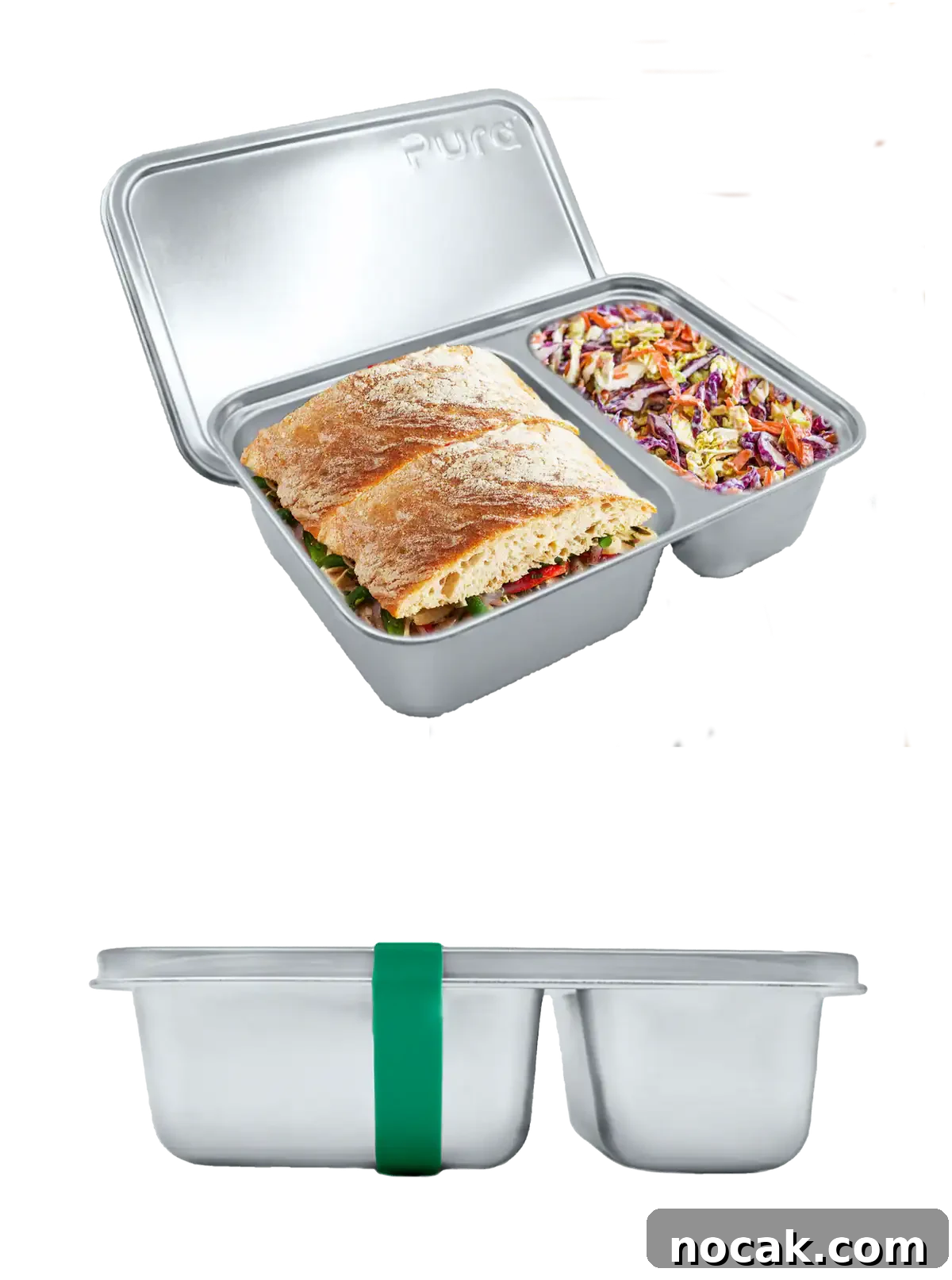
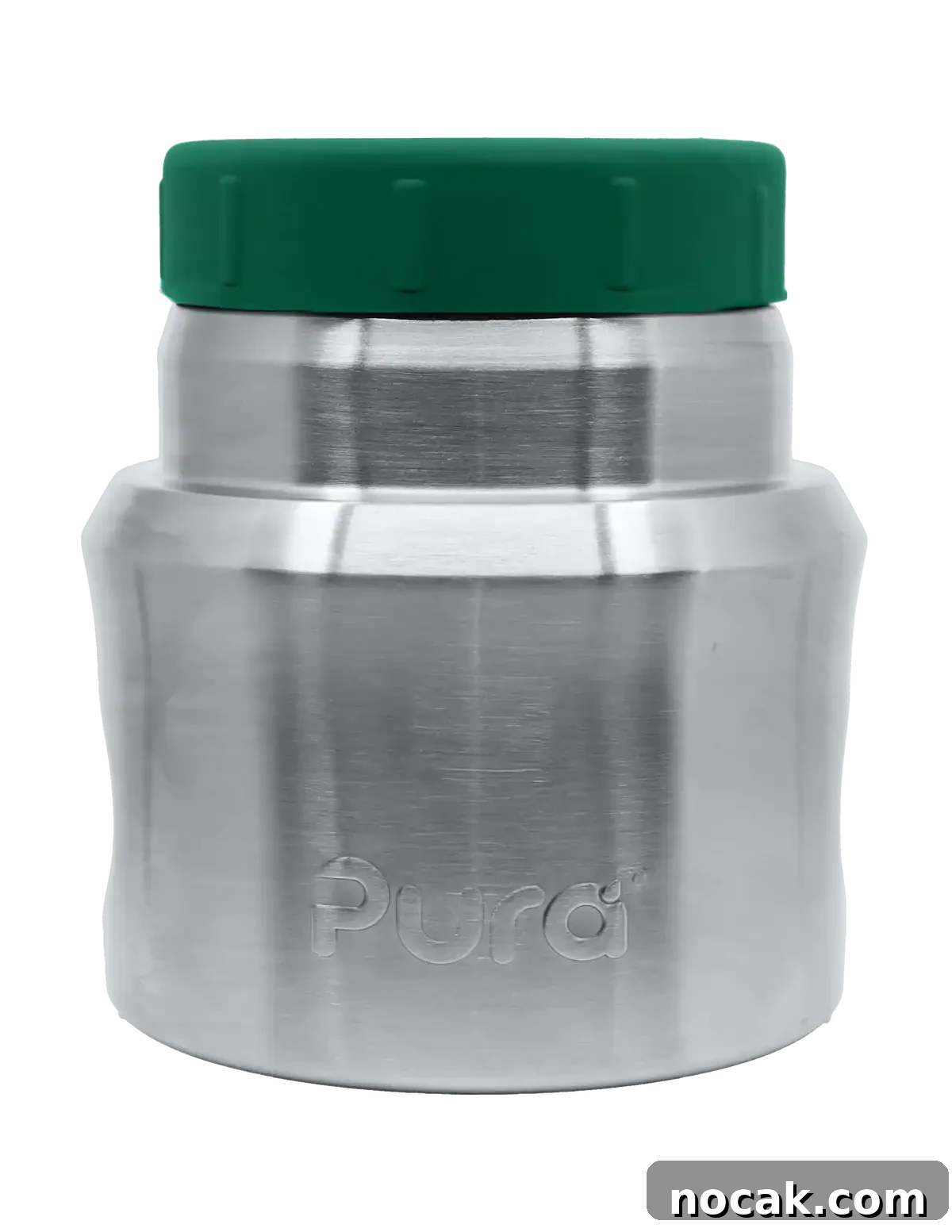
Types: 2-section lunch containers, insulated jars, snack saucers
Best for: Adults & kids
Materials: Stainless steel, medical-grade silicone
Plastic-free options? Yes
Pura focuses on plastic-free, weld-free stainless steel containers with medical-grade silicone components. Their products are MADE SAFE certified and dishwasher-safe.
Milkdot
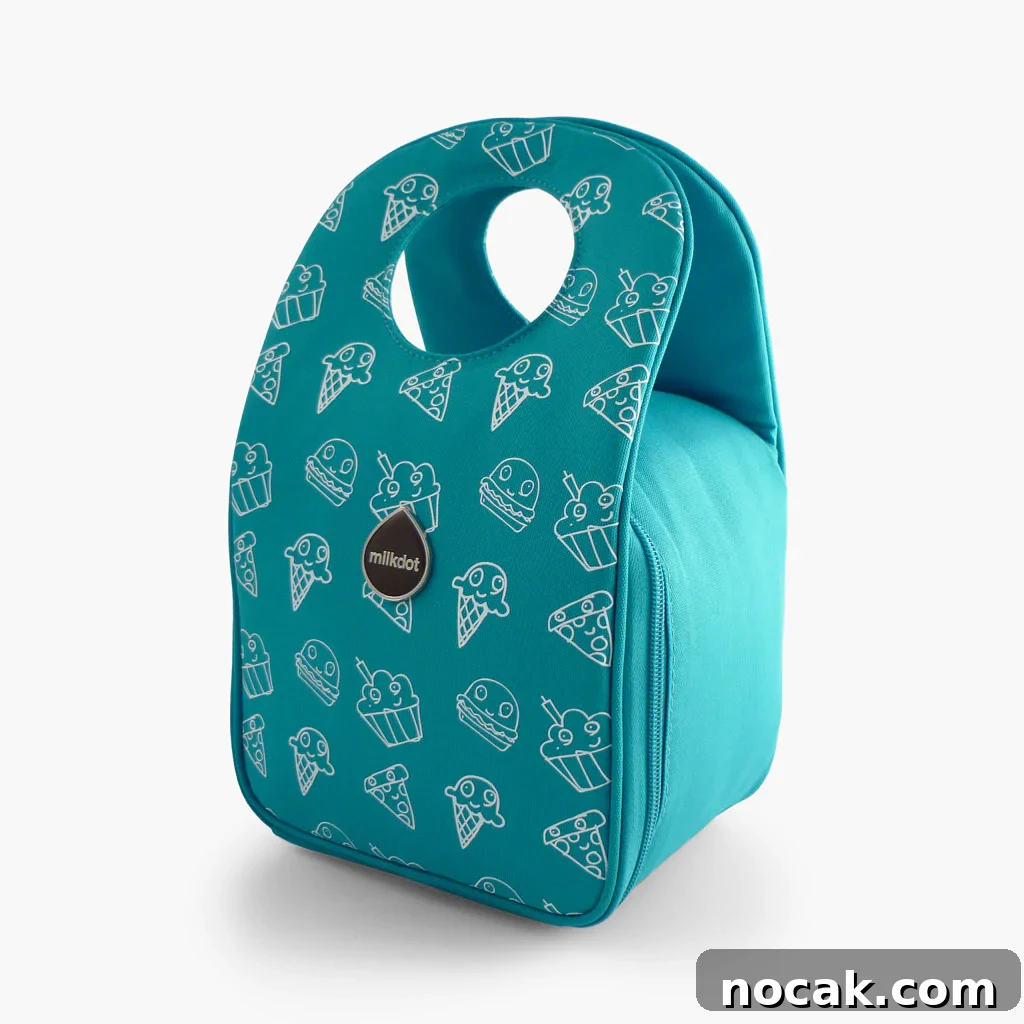
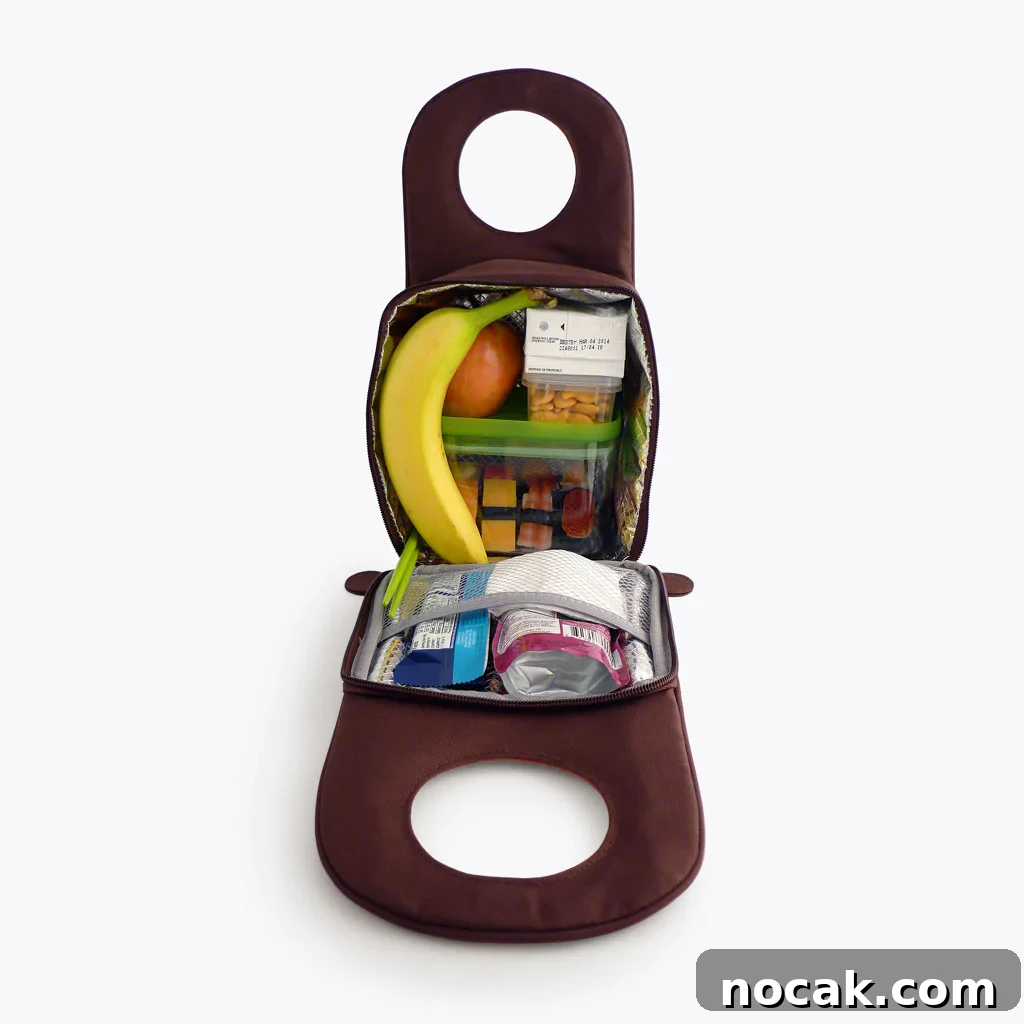
Types: Insulated lunch bags and backpacks
Best for: Adults & kids
Materials: 600 denier polyester
Plastic-free options? No
Milkdot’s insulated bags are made from polyester and tested to be free from PVC, phthalates, lead, and BPA. They have playful designs and features like an ID picture frame for personalization.
More non-toxic lunch gear
Additional items that help keep lunches safer and more practical:
1. Baggies & other storage necessities
Endocrine-disrupting chemicals can leach from plastic into food, so choosing plastic-free or food-grade options for storage matters. For packed lunches consider:
- Silicone reusable bags (Stasher-style) for snacks and sandwiches.
- Stainless steel containers for robust, school-safe storage when glass isn’t practical.
- Beeswax wraps as a lightweight alternative to plastic cling wrap.
2. Ice packs
Look for plastic-free or stainless steel ice packs filled with distilled water for a safer, durable cold source.
3. Utensils
Avoid disposable plastic utensils. Good choices include:
- Bamboo forks and spoons.
- Silicone utensils for kids.
- Standard stainless steel flatware from home.
4. Napkins
Reusable organic cotton, hemp, or linen napkins are durable and wash well. Unbleached paper towels are a disposable alternative.
5. Water bottles
Choose stainless steel or glass bottles with silicone sleeves to avoid prolonged contact between drinks and plastics. Look for brands that are transparent about materials and testing.
What to choose? Lunch boxes, bento boxes, lunch bags—oh, my!
When selecting lunch gear, consider how you’ll use it: Do you need something rugged for a commute or a soft bag for a backpack? Would a bento box with compartments help portion control? Pick a solution that matches your routine so you’ll actually use it—then prioritize non-toxic materials for the parts that touch food.
Materials to be careful of
Many common lunch bags and boxes are made from soft plastics that may contain PVC and phthalates, or hard plastics that can contain BPA and other bisphenols. These materials are linked to hormone disruption and other health risks.
PVC
PVC (polyvinyl chloride) is problematic because it can contain chlorine-based additives and produce toxic byproducts like dioxins. PVC products often include added toxicants such as lead or phthalates, so avoid PVC in food-contact and food-adjacent products.
Phthalates
Phthalates are plasticizers used to make plastics flexible. They are endocrine disruptors associated with reproductive, developmental, metabolic, and respiratory issues. Choose brands that explicitly test and confirm phthalate-free materials.
BPA & other bisphenols
BPA and related chemicals (BPS, BPF) are commonly used in hard plastics and are endocrine disruptors. “BPA-free” claims don’t always guarantee safety, because replacements can sometimes have similar issues. Prefer materials that avoid bisphenols altogether for food-contact surfaces.
Water/stain-resistant PFAS chemicals
Many lunch bags are treated with PFAS-based durable water repellents (DWRs). PFAS are “forever chemicals” linked to cancer, immune and metabolic problems, and developmental harm. Prefer untreated natural fabrics or products that explicitly state they are PFAS-free. If you want added water resistance on natural fabric, use a non-toxic wax finish rather than synthetic PFAS coatings.
Safer lunch box/bag materials to look for instead
Cotton or organic cotton
Organic cotton and other natural fibers like hemp are good options if they are not treated with PFAS. They are typically machine-washable and avoid pesticide residues in production when certified organic. Avoid claims of “waterproof” or “stain-resistant” unless the brand clarifies a non-toxic treatment was used.
Stainless steel
Stainless steel is durable, food-safe, and works well for hot or cold foods when containers have proper seals. Stainless steel bento boxes and containers reduce plastic contact and are often school-safe alternatives to glass.
Silicone
Food-grade silicone (especially platinum-cured) is a safer alternative to many plastics. It’s flexible, lightweight, and can be used for bags, lids, and containers. High-quality silicone is safe for cold and room-temperature foods and generally fine for reheating below high temperatures; follow manufacturer guidelines for heat use.
Safer plastics
If plastic is the most practical choice, prefer resins like #2 (HDPE), #4 (LDPE), or #5 (PP) over PVC or polycarbonate. Also look for brands that use independent third-party testing to verify the absence of phthalates, bisphenols, lead, and other toxicants. Always avoid heat exposure to plastic containers to reduce leaching risk.
Food-grade everything
Ensure the surfaces that touch food are labeled food-grade. Food-grade materials follow stricter manufacturing standards, but that label alone doesn’t guarantee absence of all toxicants—so combine it with brand transparency and independent testing when possible.
Brands that didn’t make the cut
Some brands lack transparency about materials, testing, or use questionable plastics and coatings. Examples of brands to scrutinize include ones that use polyethylene, unclear “vegan leather,” or products that carry Prop 65 warnings—these can indicate the presence of lead or other concerning chemicals. When in doubt, ask the brand for third-party test results and material breakdowns before buying.
Choosing any of the non-toxic options listed above will reduce the likelihood of packing lunches with PVC, phthalates, BPA, or PFAS. Prioritize food-contact surfaces that are stainless steel, high-quality silicone, or untreated natural fibers, and look for brands that test their materials and disclose results.
If you want step-by-step tips for gradually transitioning to a lower-tox lifestyle, consider subscribing to a newsletter from sources you trust to receive curated recommendations and updates.