This excerpt from Cooking for Geeks, Second Edition is reprinted with permission.
Pressure cookers are a modern convenience with deep roots — essentially improved versions of the heavy, locking pots our grandparents used on stovetops. Stovetop (manual) pressure cookers remain useful for serious home cooks and now include safety locks and over-pressure valves. For many people, especially first-time buyers or those with small kitchens, an electric pressure cooker is a smart choice: it can be left unattended safely and often includes rice and slow-cook modes to expand its usefulness.
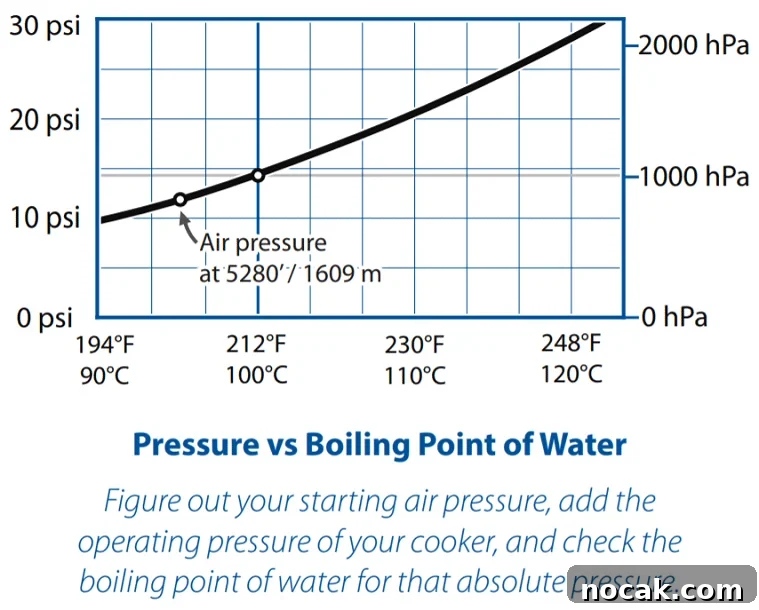
Pressure itself doesn’t magically alter chemistry; rather, it changes the physical conditions that control cooking. Raising pressure increases the boiling point of water, which raises the temperature of the cooking liquid. In wet cooking methods, the rate at which heat moves from the hot liquid to the cooler food determines how quickly the food cooks. Higher pressure lets the liquid reach a higher temperature, creating a larger temperature difference between liquid and food, and therefore faster heat transfer and shorter cooking times.
How much faster depends on the maximum temperature the liquid can reach. Typical pressure cookers add about 11–15 psi (758–1,034 hPa). Recipes generally assume either a high pressure of 15 psi (1,034 hPa) or a low pressure of 8 psi (550 hPa). Underwriters Laboratories certifies units up to 15 psi, so consumer cookers rarely exceed that. Cooking times must be adjusted for the actual operating pressure of your unit.
Remember that pressure increases are relative to your local atmospheric pressure. The final boiling point equals ambient air pressure plus the pressure the cooker adds. At sea level with a higher-pressure unit you can reach around 250°F (121°C), whereas at higher elevations or with a lower-pressure unit the maximum temperature will be lower. Check your elevation and your cooker’s operating pressure to estimate how hot your liquid will get and how quickly food will cook.
Pros
• Speed: Raising water’s boiling point from 212°F (100°C) to around 248°F (120°C) can dramatically speed up culinary reactions. Expect cooking times to drop by roughly 60–70% for many dishes—grains and legumes that normally take half an hour can be done in minutes, dry beans can cook in about 30 minutes without soaking, and tough, collagen-rich cuts of meat become tender in under an hour.
• Energy efficiency: Electric pressure cookers use less energy than prolonged stovetop braising, making them ideal for hot weather or when you want a long-braised flavor without heating the kitchen for hours.
Cons
• Limited mid-cook adjustments: You can’t easily taste, season, or adjust textures once the unit is sealed. Pressure cooking is more like baking in that what you start with is what you get at the end. If you prefer to improvise as you cook, use pressure cooking to prepare a single component that you’ll finish or season afterward.
• Faster overcooking: Reactions happen much faster under pressure, so dishes can go from perfect to overdone quickly. It’s often better to slightly undercook and finish off-pressure. Keep notes on times and use the low-pressure setting for delicate vegetables.
• Wet cooking method: Pressure cookers trap and condense moisture, so they don’t reduce sauces well. You may need to remove the lid and reduce liquids after cooking. Also, don’t skimp on liquid — at least a cup or two is required for a proper steam seal and to prevent scorching.
Tips and tricks
• To adapt conventional recipes, focus on foods cooked by steaming, braising, or other wet methods and try about one-third of the original time as a starting point. Never fill the cooker more than two-thirds full; for foamy foods (applesauce, barley, oatmeal, pasta), limit fill to one-third. Add dairy only after pressure cooking because it can curdle.
• For stovetop units, a quick cool-down under cold tap water can stop the cooking process, which is useful for delicate items like vegetables or polenta.
• Many electric cookers run at about 12 psi (830 hPa) rather than 15 psi, so recipes designed for 15 psi may need 15–20% longer in lower-pressure models. Check your manual for true operating pressure rather than the maximum rated pressure.
• Steam vegetables or artichokes on a metal tray above the water level. You can also cook small portions in oven-safe glass or metal bowls — just be sure there’s enough water in the pot. Avoid plastic containers; they won’t withstand the heat.
• Pressure cookers are excellent for stock: collect bones in the freezer until you have enough, cover with water in the cooker, and pressure-cook for about 30 minutes before cooling and straining.
• Rendering tallow or lard is easy in a pressure cooker: place chopped fatty meat in a jar, cover with a cup of water in the cooker, and render for about two hours. Strain once the fat has cooled to a safe handling temperature.
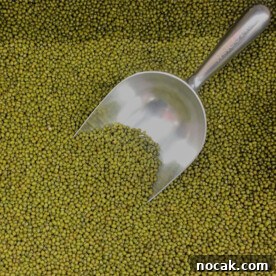
Indian Moong Dal Khichdi
Ingredients
- 2 tablespoons cooking oil (or butter, ghee, olive oil, or coconut oil)
- 1 medium red onion, chopped
- 1 tablespoon coriander seeds, whole or ground
- 1 tablespoon turmeric powder
- 1/2 teaspoon cayenne pepper
- 1/2 cup white basmati rice
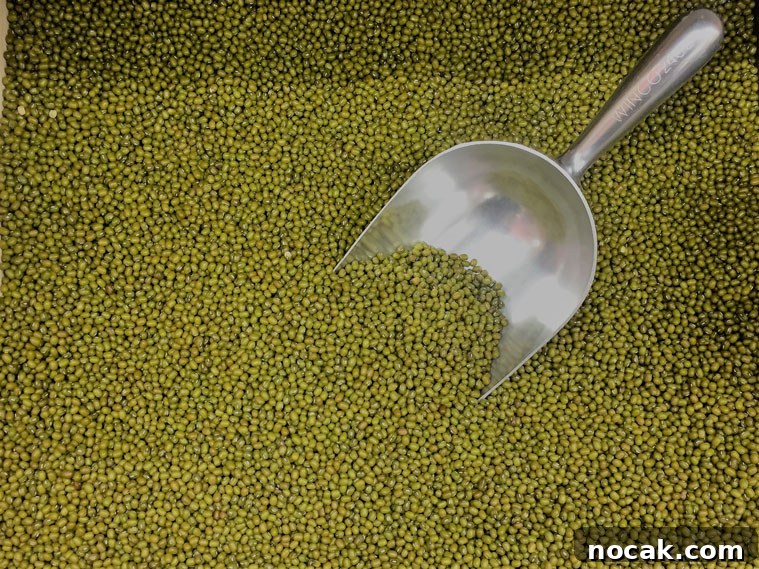
- 1 cup moong dal (split yellow mung beans) or red lentils
- 6–12 cloves garlic, peeled
- 1–2 tablespoons peeled, diced ginger
- 1 lemon, juiced
- Salt, to taste
- Cilantro or parsley, for garnish
Instructions
- Sauté the oil, chopped onion, coriander seeds, turmeric, and cayenne in a skillet, the inner pan of a stovetop pressure cooker, or using the sauté mode on an electric pressure cooker.
- Add the rice, moong dal, garlic, and ginger; stir to coat. Transfer to the pressure cooker if you used a separate pan.
- Add 3 cups of water and seal the pressure cooker. Cook at high pressure for about 5 minutes.
- Allow the cooker to depressurize, open, and stir. Add lemon juice and salt to taste.
- Garnish with cilantro or parsley and serve.
Notes
This khichdi is often served with fresh raw greens like arugula, which add a bright contrast in flavor and texture.
Nutrition
Calories: 344 kcal, Carbohydrates: 54 g, Protein: 14 g, Fat: 8 g, Fiber: 9 g (per serving, approximate)
- 450 pages of practical science and culinary explanations
- Over 100 recipes that illustrate cooking science
- Interviews with chefs, writers, and researchers