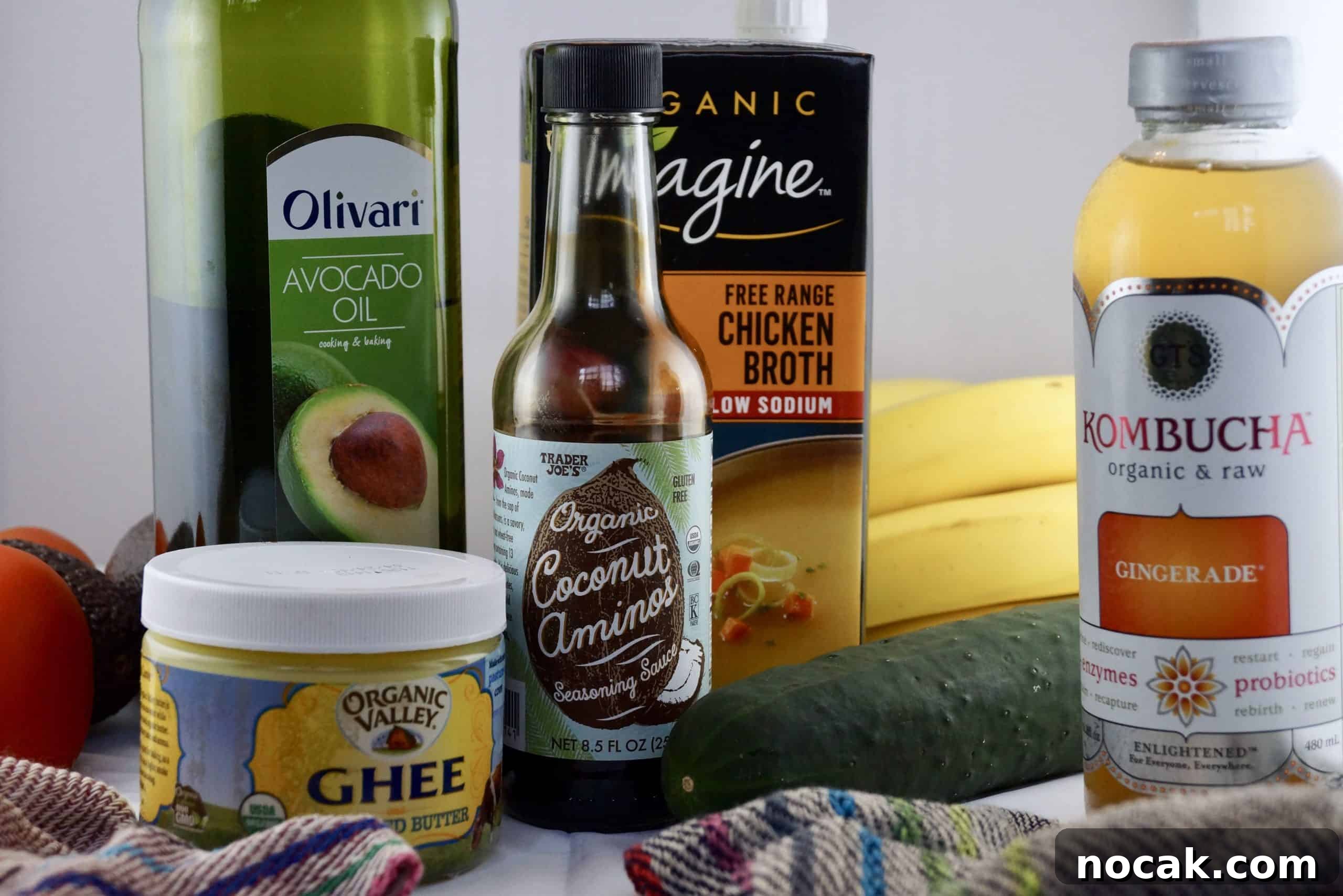
Thinking about trying Whole30 or just curious what it’s like? This honest review of Whole30 shares what the program involves and the highs and lows from our first experience.
My Honest Review About Whole30
One late summer afternoon my husband and I polished off a whole bag of cheesy Doritos. He looked at me and said, “I think we should do Whole30 again.”
We first tried Whole30 in March. I dove in headfirst — reading everything I could, following coaches and bloggers, and talking about the program constantly. My husband Matt was less enthusiastic at first and even a bit bitter, but after seeing the results he became a believer. When he suggested a second round, I was thrilled to have him fully on board.
Below is my honest account of our first Whole30. If you’re on the fence, this should help you decide. If you’re new to Whole30, this is a clear place to start learning what the program is and how it might impact you.
What in the world is Whole30?
There are many full guides and books that explain Whole30 in detail, but here are the highlights that convinced me to try it.
- Think of Whole30 as a reset for your health, eating habits, and relationship with food.
- The program asks you to eliminate foods that research and experience link to unhealthy cravings, metabolic disruption, digestive issues, and immune problems.
- Eliminate those foods for 30 days, then reintroduce them one at a time to observe their effects on your body, mood, sleep, digestion, energy, and other symptoms.
Foods eliminated during Whole30:
- Added sugars (real or artificial)
- Grains and grain-like seeds
- Legumes, including peanuts and peanut butter
- Dairy from cow, sheep, and goat
- Alcohol
Foods allowed:
- Meat
- Seafood
- Eggs
- Vegetables
- Fruit
- Natural fats
This summary covers the essentials and helps explain how the program works. For detailed guidelines, consult official Whole30 resources.

Why did we decide to do Whole30?
I first heard about Whole30 on social media and assumed it was just another fad diet. My husband and I had success on a different plan before, so I wasn’t initially interested. Over time I learned Whole30 is less about quick weight loss and more about resetting and discovering how certain foods affect your health.
We suspected our bodies didn’t respond well to some foods but hadn’t taken the time to test that. Whole30 offered a structured way to remove potential problem foods and find answers. Testimonials claiming relief from allergies, headaches, and other chronic issues caught our attention — I suffer from year-round allergies and frequent headaches, so I had to try it.
What the heck did we get ourselves into?
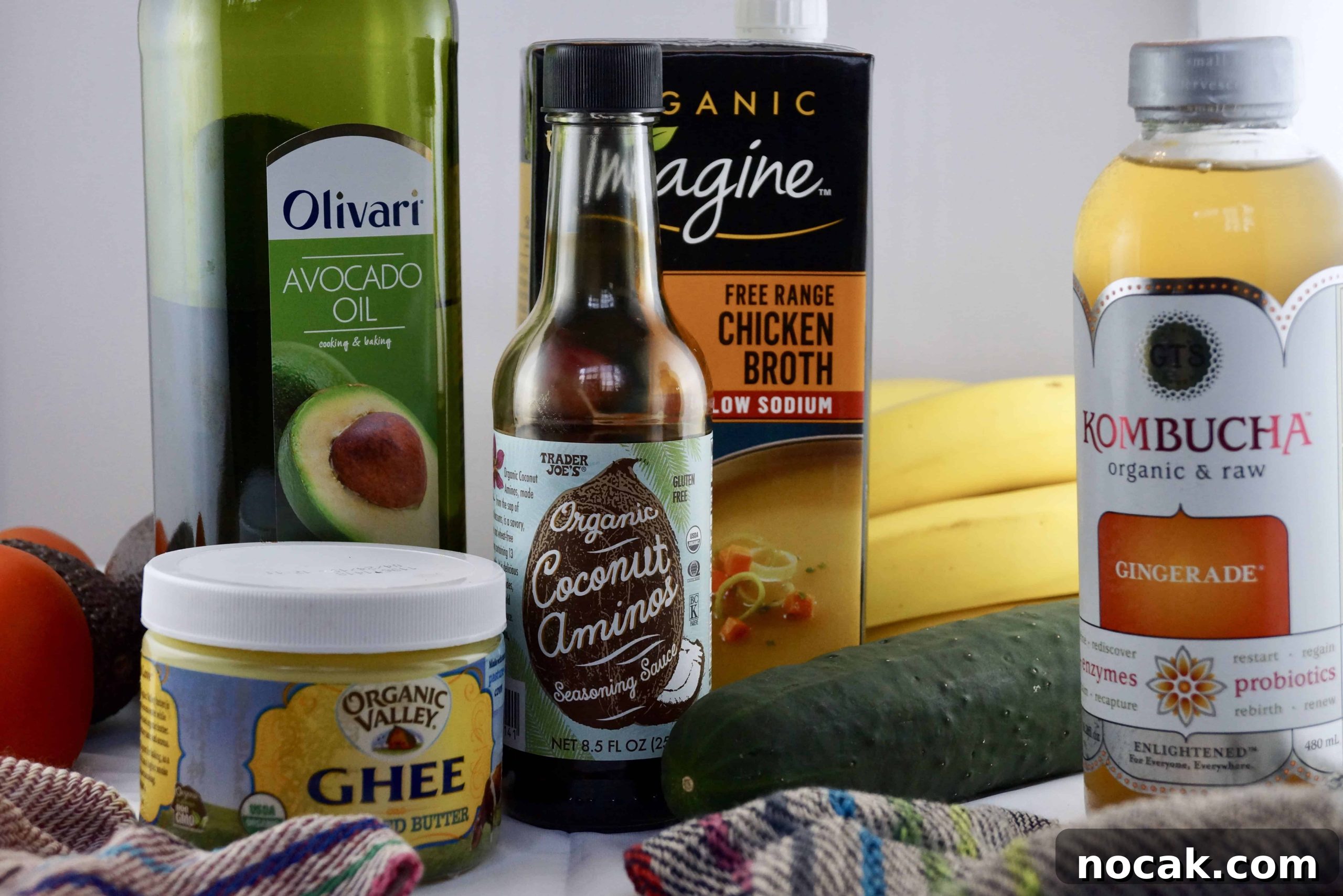
To be honest, the first round was challenging. Giving up favorite foods, learning to read labels, changing shopping and cooking habits, and cutting out grazing and snacking were all difficult at first.
My experience
As the primary cook, I had to relearn shopping and cooking. My first Whole30 grocery trip took nearly three hours while I read labels and searched for compliant items. I needed new recipes and had to stop using staples like tortillas, rice, beans, and cheese.
After that intense grocery run and some trial and error, Whole30 became easier. I was shocked by the amount of added sugar and artificial ingredients in many foods. By the end of week one I began to enjoy cooking within the Whole30 framework and felt proud adapting recipes to be compliant.
I also discovered I could live without milk and that coffee is quite enjoyable without sugar or flavored syrups. Coconut milk, cinnamon, or a compliant creamer made coffee satisfying in a new way.
My husband’s experience
Matt had a habit of coming home and reaching for beer, wine, or sugary snacks to unwind. He used food as a coping mechanism and usually paid for it with heartburn, headaches, or poor sleep. The hardest part for him was curbing snacking and the emotional urge to cheat. Over time he realized his choices directly affected how he felt and that he could control those choices.
Did Whole30 actually improve our lives?
Yes. After completing the first round we noticed several benefits:
- Improved digestion, fewer headaches, reduced allergy symptoms, less soreness, and more stable moods
- Feeling lighter physically and mentally
- Deeper, more restorative sleep
- Better label-reading skills and smarter food choices
- New meals and recipes added to our routine
- Clearer understanding of how specific foods affect us
- Lost the last few stubborn pounds we hadn’t shed on our previous diet
Overall, Whole30 improved how we felt and our relationship with food.
Should you try Whole30?
Yes — if you’re willing to commit. Whole30 can feel intimidating at first, but it can be life-changing. The initial two weeks are the toughest, but once you pass the halfway point you often notice clearer thinking, better sleep, improved digestion, and higher energy. Hitting day 30 brings a strong sense of accomplishment.
Because of our unhealthy Doritos habit, we started a second round on September 10. Today we’re on day 22 and already seeing the same positive changes again.
How can Everyday Latina help with Whole30?
If you wonder what meals look like on Whole30, I’ve linked several compliant recipes below. I’m adding more Whole30 recipes regularly, so check back often.
Whole30-compliant recipes on the blog
- Mexican Meatball Soup
- Coconut Lime Jalapeño Dressing
- Spicy Guacamole with Roasted Vegetables
- Jalapeño Salsa
- Lime Coleslaw
- Pan Seared Cilantro Lime Chicken
- Pico de Gallo Salsa

If you have questions about our experience or want more details, leave a comment below — I’m happy to share what helped us most.