Funny story — we recorded this interview before the term “quarantine” was common and before the coronavirus reshaped daily life. Yet the conversation feels even more timely now.
Even prior to recent events, anxiety had become a major concern for children across many ages. Dr. Roseann Capanna-Hodge is a trusted expert in children’s mental health and a practical, compassionate voice for parents. I’m grateful she made time for this interview. With as many as half of children experiencing anxiety at some point, every parent will find value here.
In this interview you’ll discover:
- Why anxiety rates have climbed in recent years, even before stay-at-home measures
- Factors that are reducing children’s resilience physically and emotionally
- The difference between normal stress and clinical anxiety, and how parents can recognize anxiety in their child
- How people-pleasing tendencies can fuel anxiety
- A practical to-do list parents can use to help kids manage worry with confidence
- How food and nutrition influence mood, plus Dr. Roseann’s preferred supplements for children
- An immediate, easy strategy you can use to interrupt your child’s worry cycle
And, full disclosure — Dr. Roseann’s personality shines through. She’s an Italian-American New Yorker with a warm, story-filled manner that makes the conversation both informative and enjoyable.
Can’t see the video? Click the video title on YouTube to watch “Helping Kids Manage Anxiety.”
No time to watch the whole interview? Below are clear notes and timestamps to help you find key points quickly.
Managing Your Kid’s Anxiety — Key Timestamps
- 0:50 — Introduction to Dr. Roseann and the integrative, holistic approach she uses to support stressed children and their families.
- 1:39 — Dr. Roseann shares her professional background and how her practice evolved over time.
- 4:31 — The story of a boy named Alec, a turning point that changed how Dr. Roseann treats patients.
- 5:46 — A discussion of psychiatric medications and common adverse reactions such as irritability, appetite changes, and sleep disruption.
- 6:47 — How medication side effects can create a downward spiral; a note that some ADD medications may only show benefit for a limited period.

- 8:07 — The conclusion of Alec’s case and how it led Dr. Roseann to incorporate biofeedback and other nonpharmacologic tools.
- 8:55 — The growing demand from parents for alternatives and real answers amid a system that often defaults to medication.
“Mooooom, I’m hungry!!”
Kids ask for snacks constantly. Empowering them to prepare simple snacks can reduce requests and build independence.
Download and print:
Get the Snacks Now!
Are Rates of Anxiety Rising?
- 9:43 — Anxiety appears to be increasing among children. The interview reviews statistics and some likely causes.
Why do we see so much more anxiety in our world? People have accepted a high-stress lifestyle. -Dr. Roseann Capanna-Hodge
- 12:11 — Academic pressure has escalated. Tasks once appropriate for older children are now expected earlier, increasing stress.
- 13:30 — Increased demands without corresponding coping skills are pushing more families toward early medication use instead of addressing diet, sleep, or other root causes.
The link between diet, physical issues and anxiety is very strong. -Dr. Roseann Capanna-Hodge
- 14:35 — While better diagnosis may account for some of the rise in anxiety, multiple environmental and lifestyle factors likely reflect a real increase.
How to Recognize and Help a Child with Anxiety
- 15:03 — How to tell whether a child is stressed or experiencing clinical anxiety. Children often show anxiety differently than adults; listen for behavioral, emotional, and physical signs.
- 17:04 — Many children manage anxiety at school and only show symptoms at home, so caregivers should watch for changes in behavior when the child is with family.
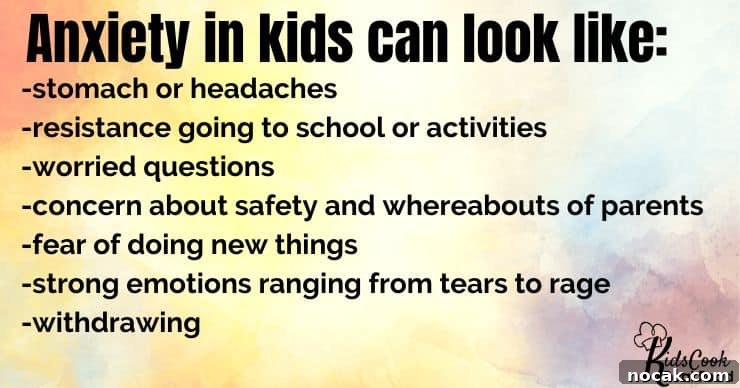
- 17:18 — If you suspect anxiety, start with simple changes to diet and routine to see whether symptoms improve before moving to more invasive interventions.
The best thing you can do for your kid is to give them tools they can use for the rest of their life. -Dr. Roseann Capanna-Hodge
- 18:51 — One parent shares a routine that helped her daughter manage school-related anxiety.
Practical To-Do List for Parents
- 20:18 — Specific strategies to support a child with stress and anxiety:
- Talk openly about the problem and brainstorm solutions together
- Role-play anxious scenarios so the child practices coping
- Introduce short meditation or mindfulness practices
- Consider biofeedback tools to teach physiological regulation
- Practice deep breathing as a fast way to calm the nervous system
- Coordinate with teachers to create consistent support
- Establish an exit plan for overwhelming situations
- Use counting backward from 10 to interrupt the worry cycle
- Teach children to respond to anxious thoughts rather than ruminate
- 25:45 — Teach these tools so children can use them independently and build resilience over time.
- 26:34 — Reducing inflammatory foods—such as excess sugar, refined grains, and often dairy—can help. Diets like Mediterranean or Paleo can reduce inflammation linked to anxiety.
- 27:17 — Many anxious children lack healthy fats and consistent protein; offer protein every three hours and include sources like avocado, nuts, and seeds.
- 28:17 — Some supplements can support anxiety management. Dr. Roseann highlights magnesium as her top choice for children.
- 29:53 — Magnesium is available in powders, tablets, chewables, baths, sprays, and lotions.
- 31:46 — The interview closes with one practical action you can put into practice today to help your child break the worry cycle.
Resources to Support Kids with Anxiety
- Dr. Roseann’s website (search for her professional practice and resources)
- Online parenting communities focused on emotional resilience
- Meditation and mindfulness apps for children and families
- Heart rate variability and biofeedback tools for learning physiological regulation
- Articles and guides on supplements and nutrition for mood support
- Interviews and podcast episodes on stress mastery, breathing exercises, and helping highly sensitive children
Note: Some authors and creators mentioned offer products or resources; be aware of affiliate relationships where disclosed.
 Dr. Roseann Capanna-Hodge has become a recognized media voice for children’s mental health. Initially trained as a psychologist and counselor, an influential patient redirected her approach toward integrative care. Her Connecticut centers combine holistic therapies and practical strategies to help stressed children become more focused and emotionally balanced. She is co-author of “Brain Under Attack,” a guide on PANS/PANDAS, and has supported thousands of families over 25 years.