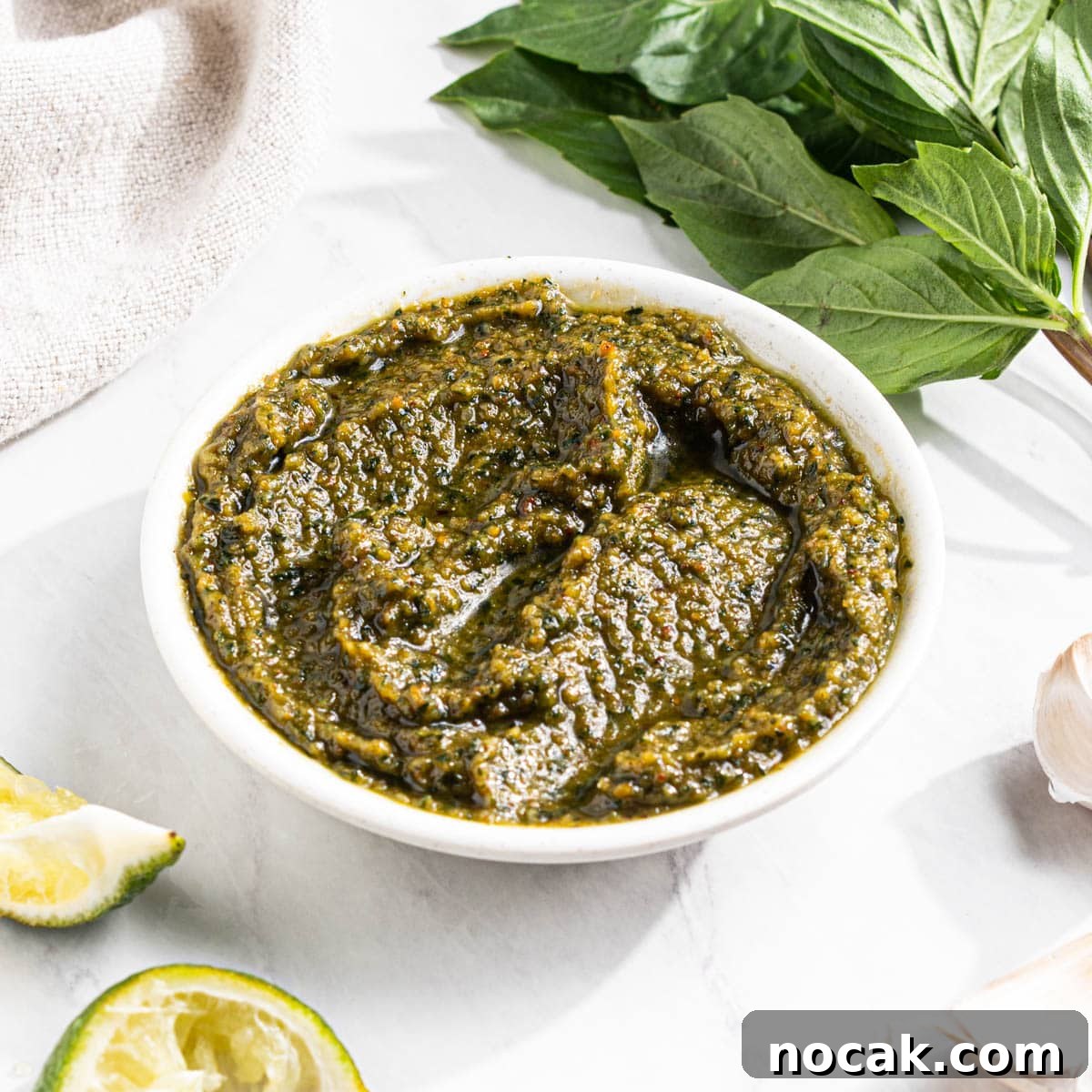
This Thai basil pesto was born from having extra Thai basil and lime after enjoying pho. Instead of letting the herbs go to waste, turn them into a vibrant, fragrant pesto that’s easy to make and incredibly versatile.
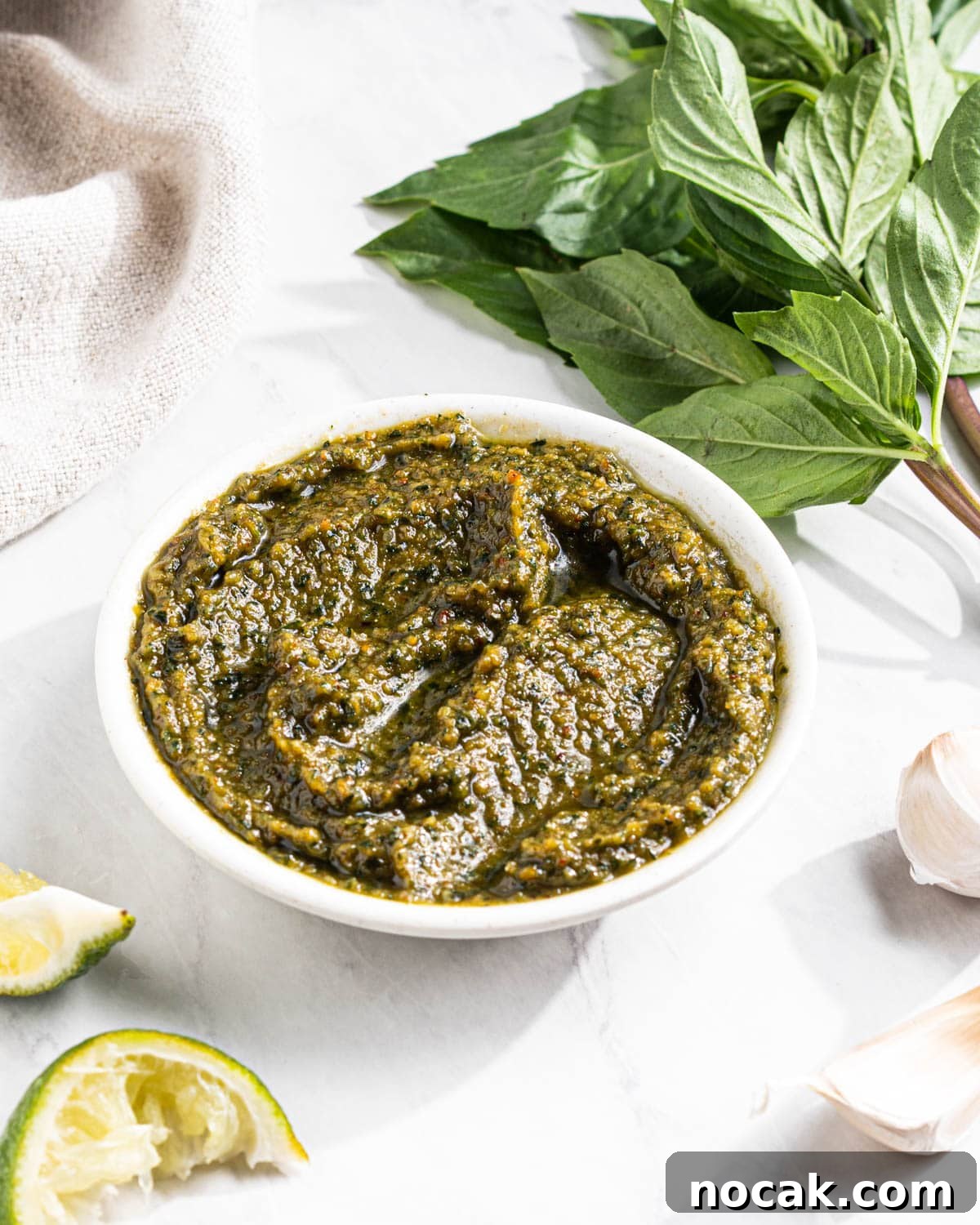
Thai basil has a bold, slightly spicy, anise-like flavor with notes of clove and licorice. Paired with garlic, lime juice, olive oil, toasted nuts, and optional Parmesan, this pesto combines herbaceous depth with a bright citrus tang and a rich, nutty finish.
Why you’ll love this recipe
Distinctive flavor: Thai basil pesto is a flavorful twist on traditional pesto. The lime and aromatics give it a zesty, slightly exotic profile that brightens many dishes.
Very versatile: Use it on pasta, rice noodles, sandwiches, pizzas, grilled proteins, roasted vegetables, and grain bowls. A little pesto goes a long way to transform meals.
Easy to customize: Make it spicier, more citrus-forward, or nutty depending on your preferences. You can omit the cheese for a dairy-free or vegan version.
Great for leftover herbs: This recipe is a smart way to preserve fresh Thai basil and squeeze extra life out of your ingredients.
Ingredients
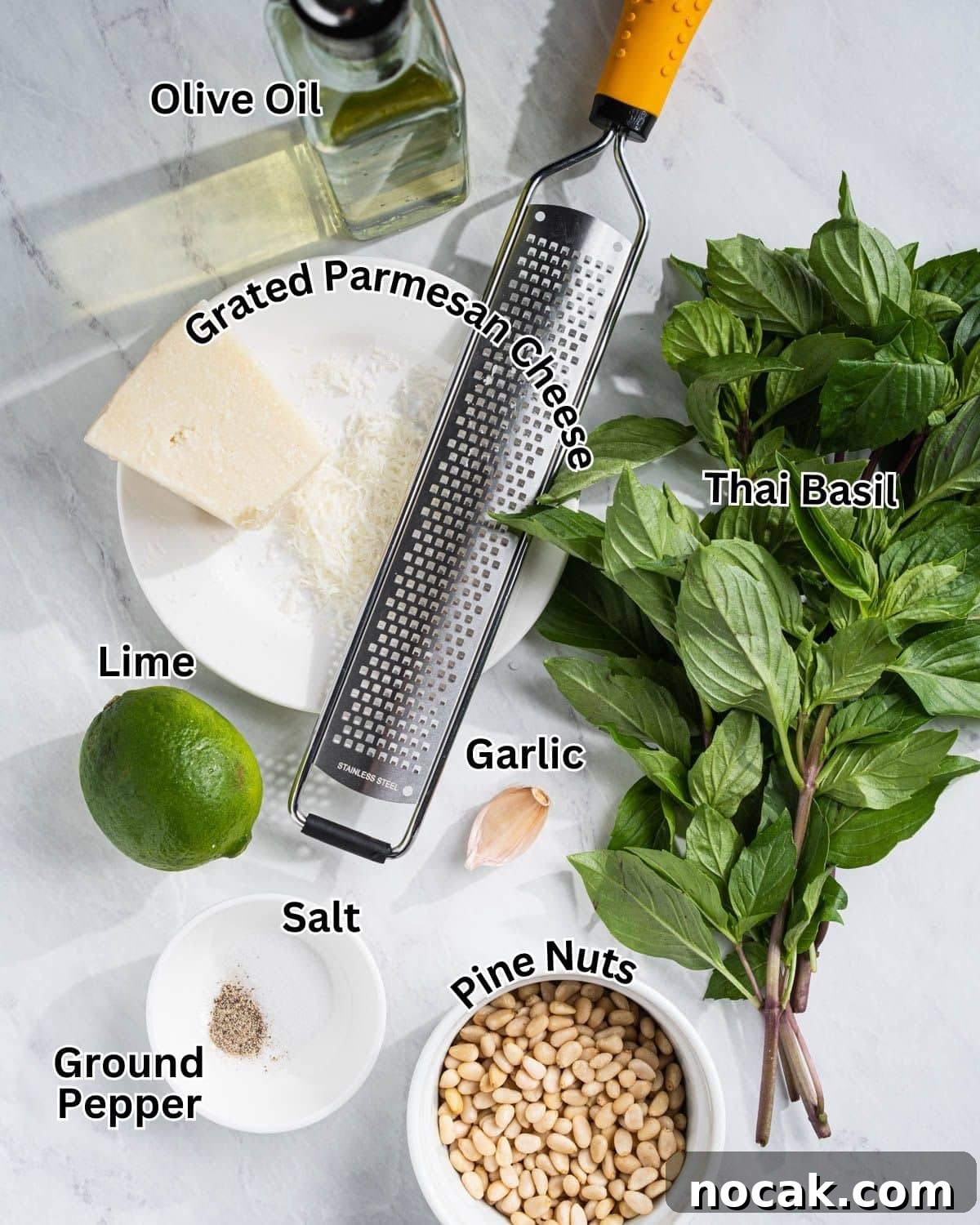
- Thai basil: About 2 cups (two large handfuls) of leaves, packed.
- Garlic: 1 clove, minced (use 2 if you prefer a stronger garlic kick).
- Lime or lemon juice: 2 tablespoons to add brightness and help preserve color.
- Extra-virgin olive oil: 1/3 cup, added slowly to emulsify. You can substitute other neutral oils if desired.
- Pine nuts or walnuts: 1/3 cup, toasted for deeper flavor and a creamy texture.
- Parmesan cheese (optional): 1/4 cup freshly grated for a salty, savory finish; omit for dairy-free.
- Salt and pepper: To taste; add incrementally and adjust after blending.
Please scroll ⬇️ to the recipe card for full ingredient amounts and the instructions.
How to make it
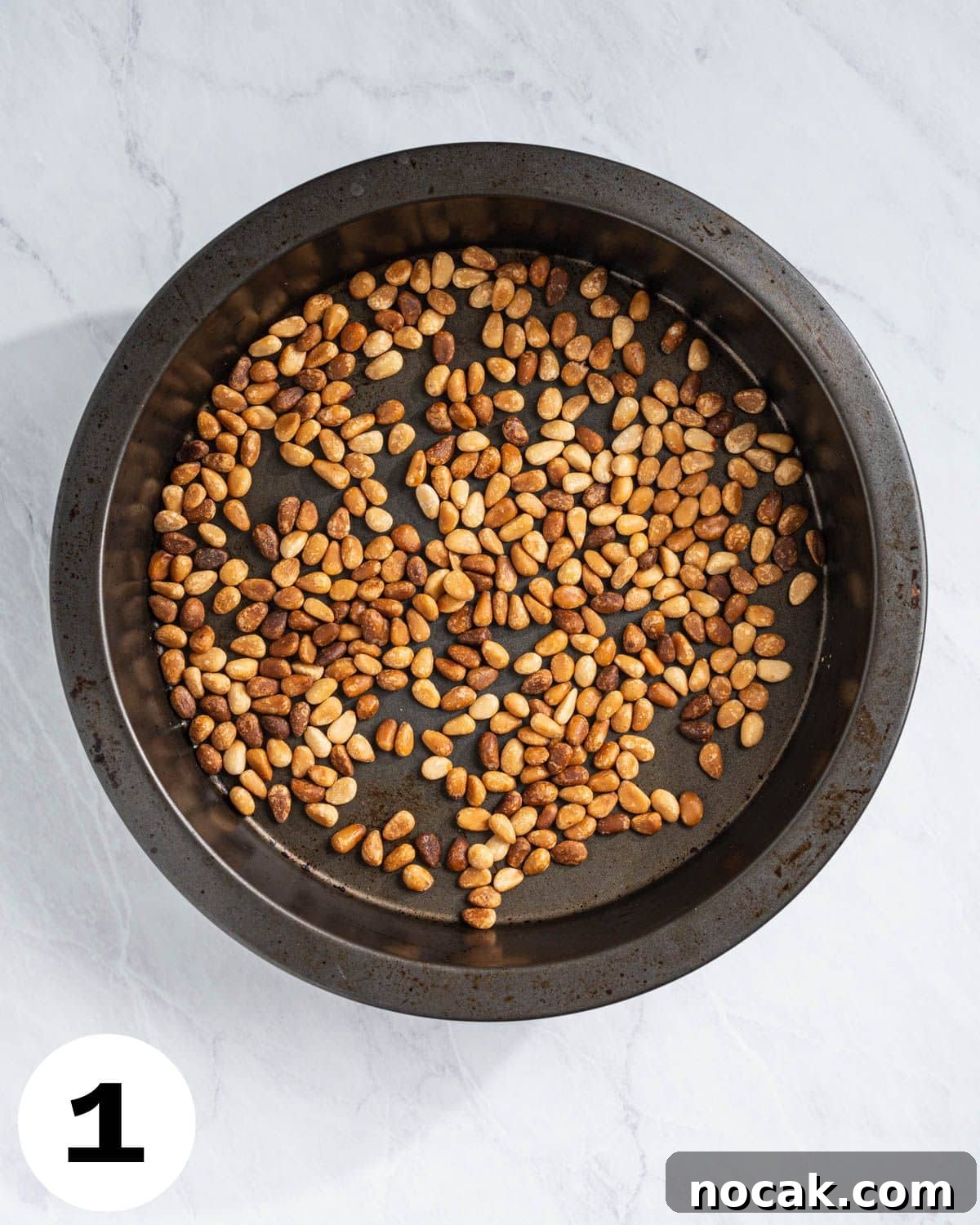
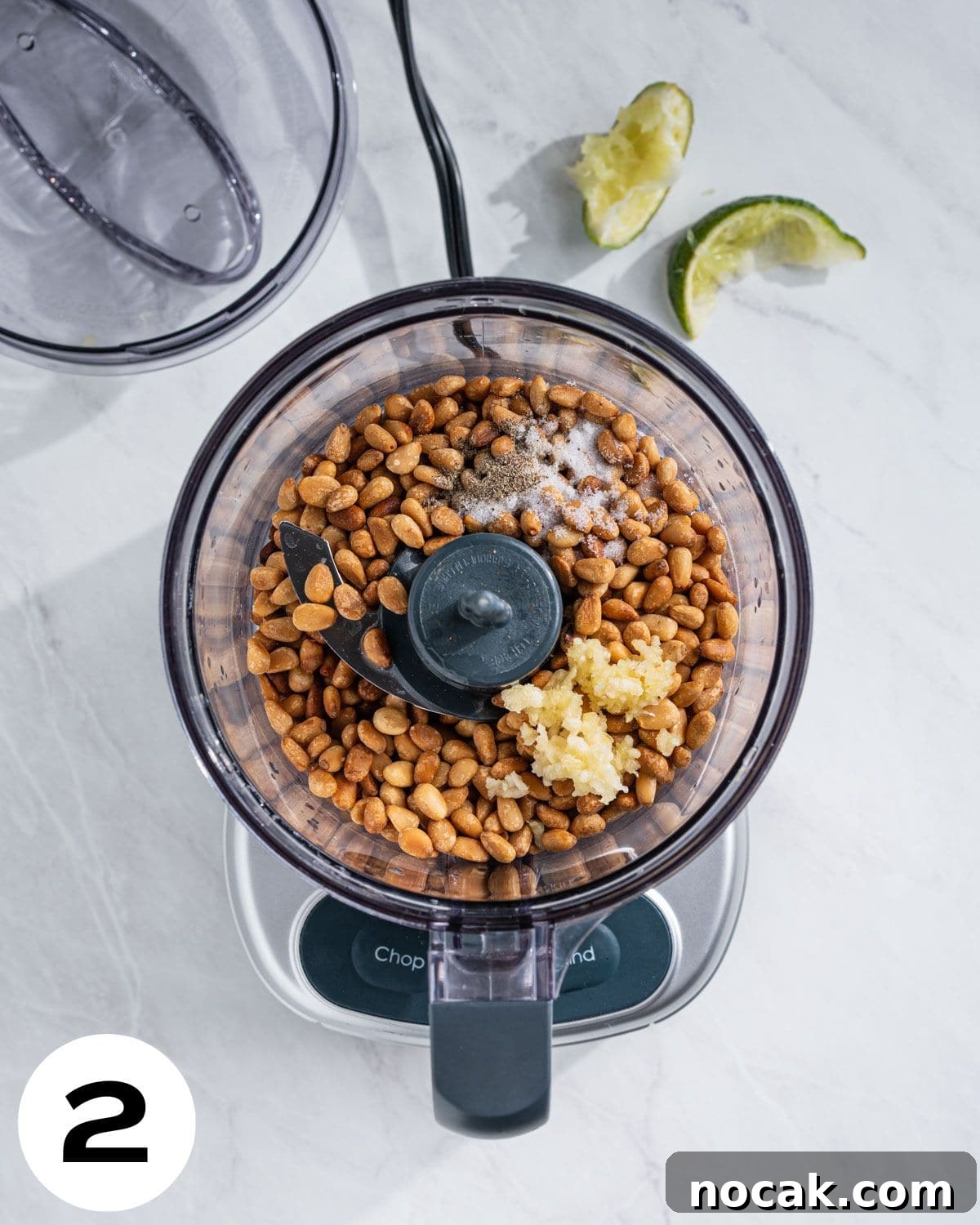
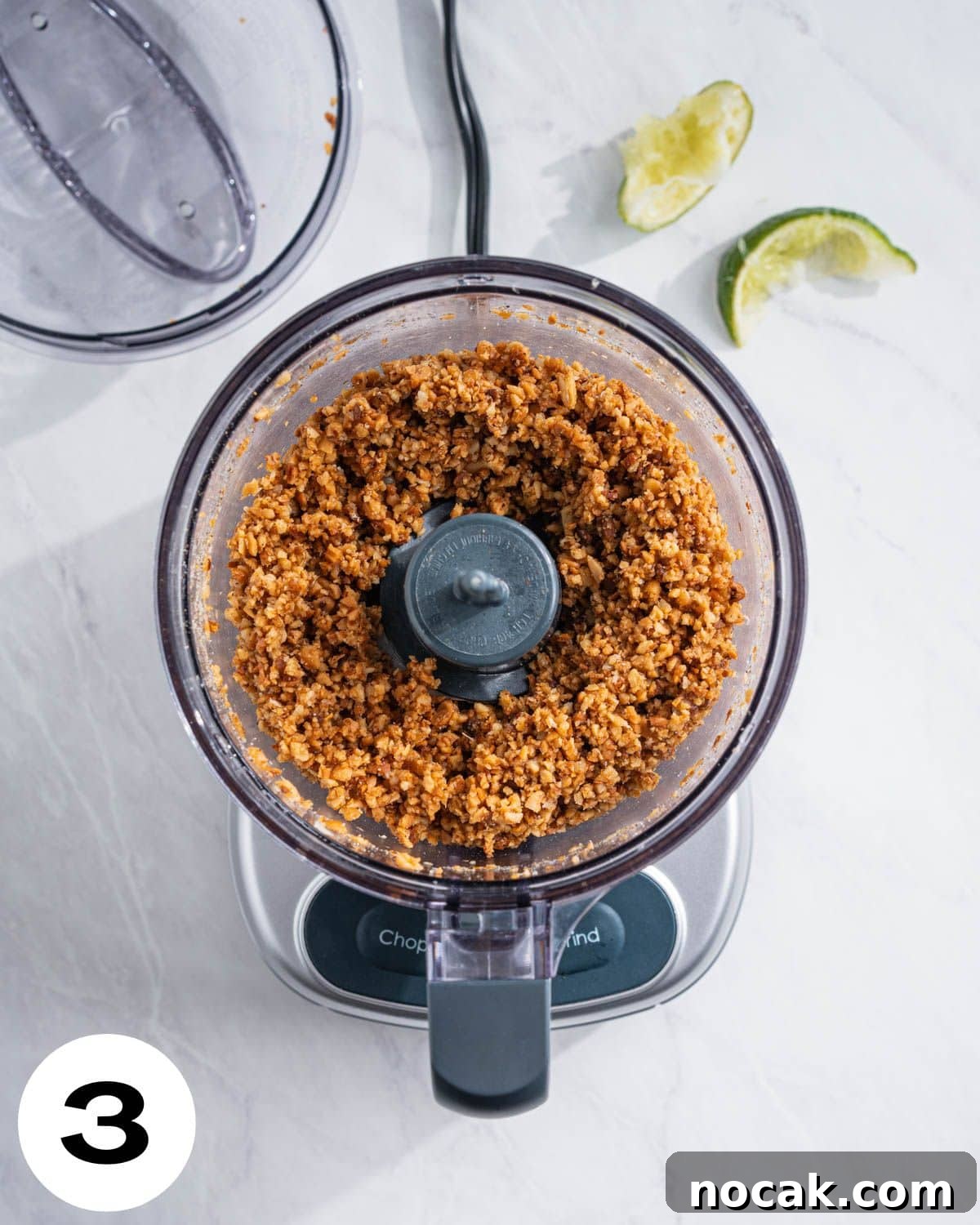
Step 1 – Chop the nuts: In a food processor, pulse the toasted pine nuts (or walnuts) with the lime or lemon juice, garlic, salt, and pepper until finely chopped.
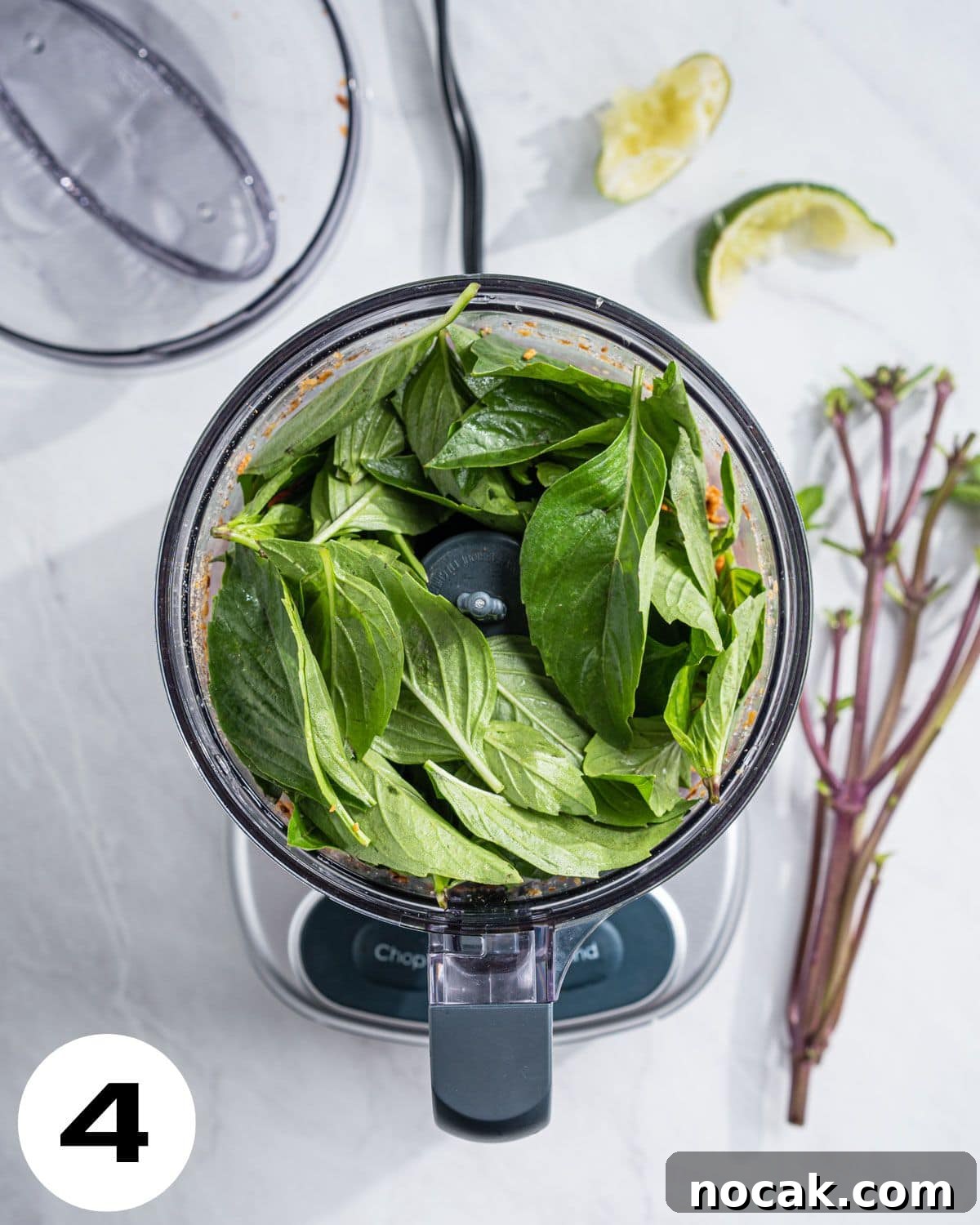
Step 2 – Add basil and cheese: Add the Thai basil leaves and pulse several times until roughly combined. Scrape down the sides, add the Parmesan if using, and pulse again.
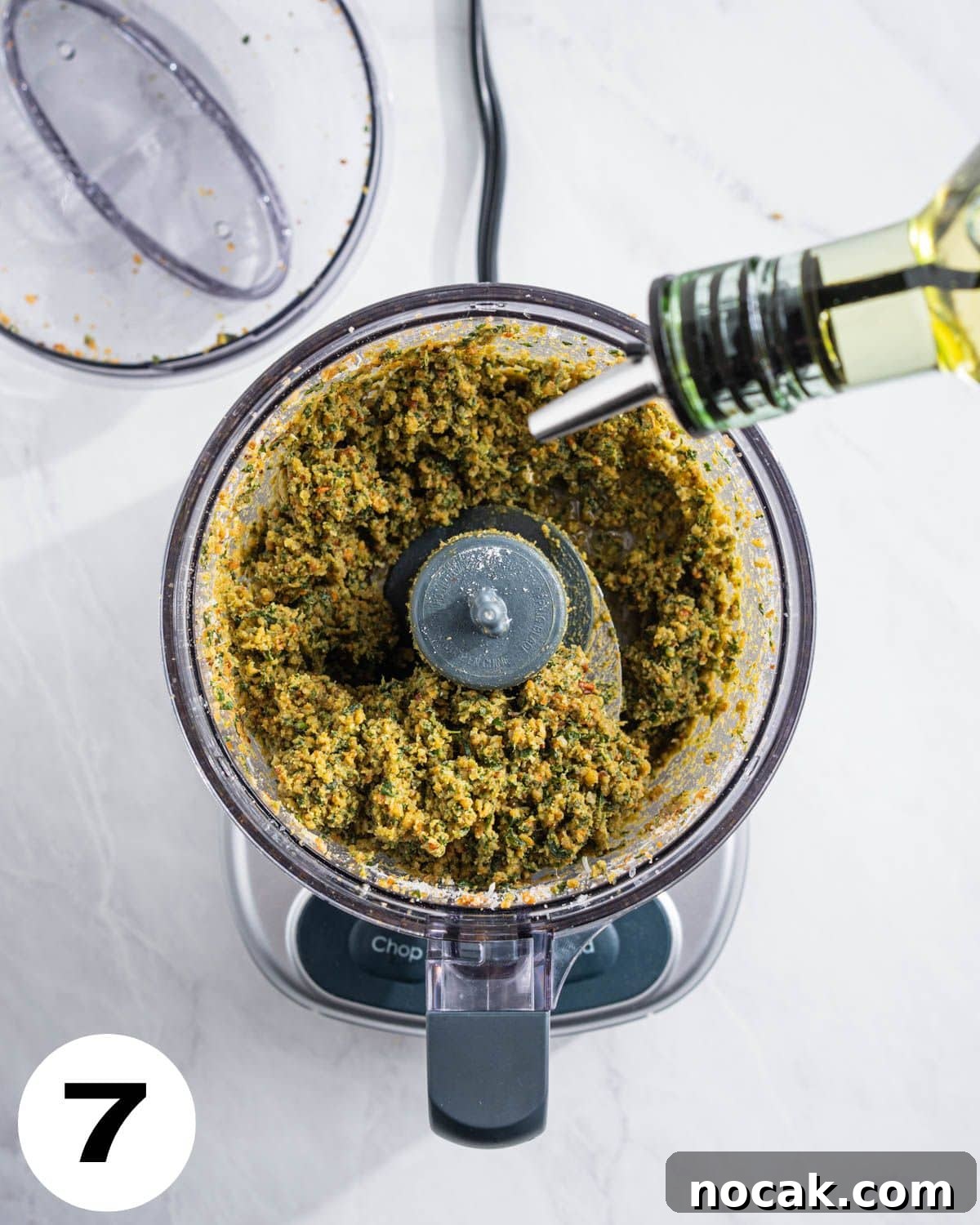
Step 3 – Emulsify with oil: With the processor running, drizzle in the olive oil slowly until the mixture becomes a cohesive pesto. This slow addition helps the oil emulsify and prevents separation.
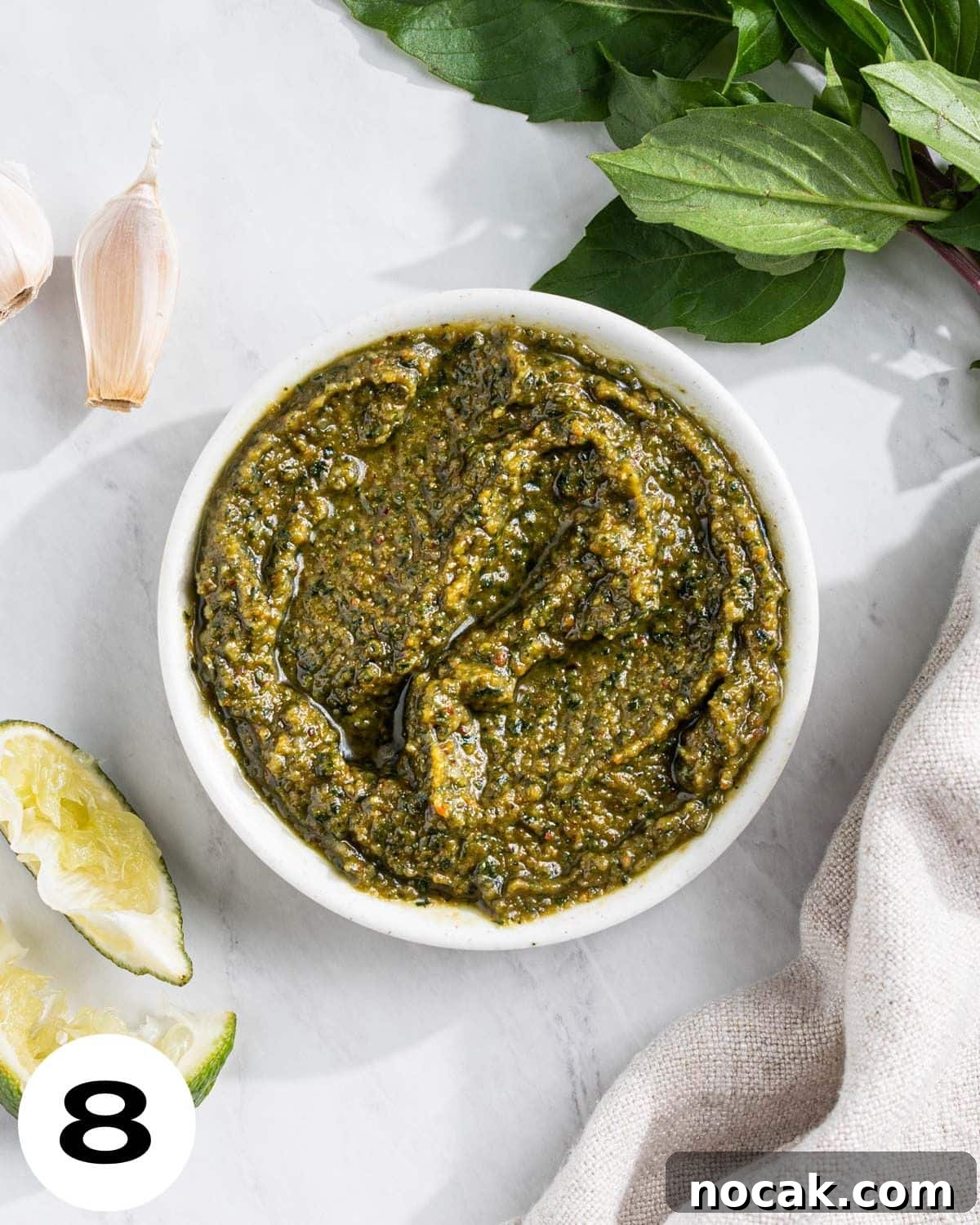
Step 4 – Season: Taste and adjust with salt and freshly ground black pepper. If the pesto is too thick, add a little more oil or a splash of water to reach the desired consistency.
How to use Thai basil pesto
This pesto is a multi-purpose condiment that lifts many dishes. Popular uses include:
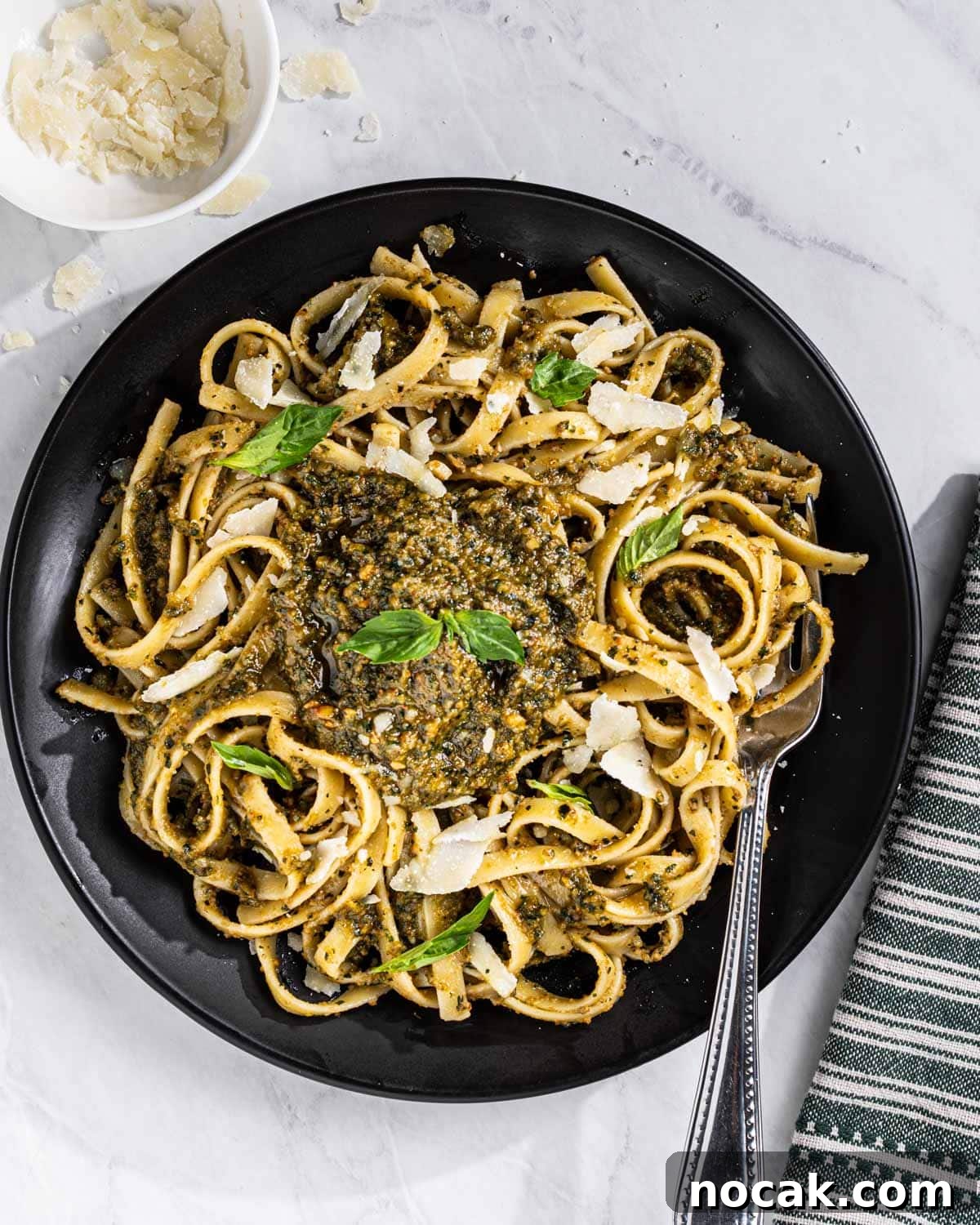
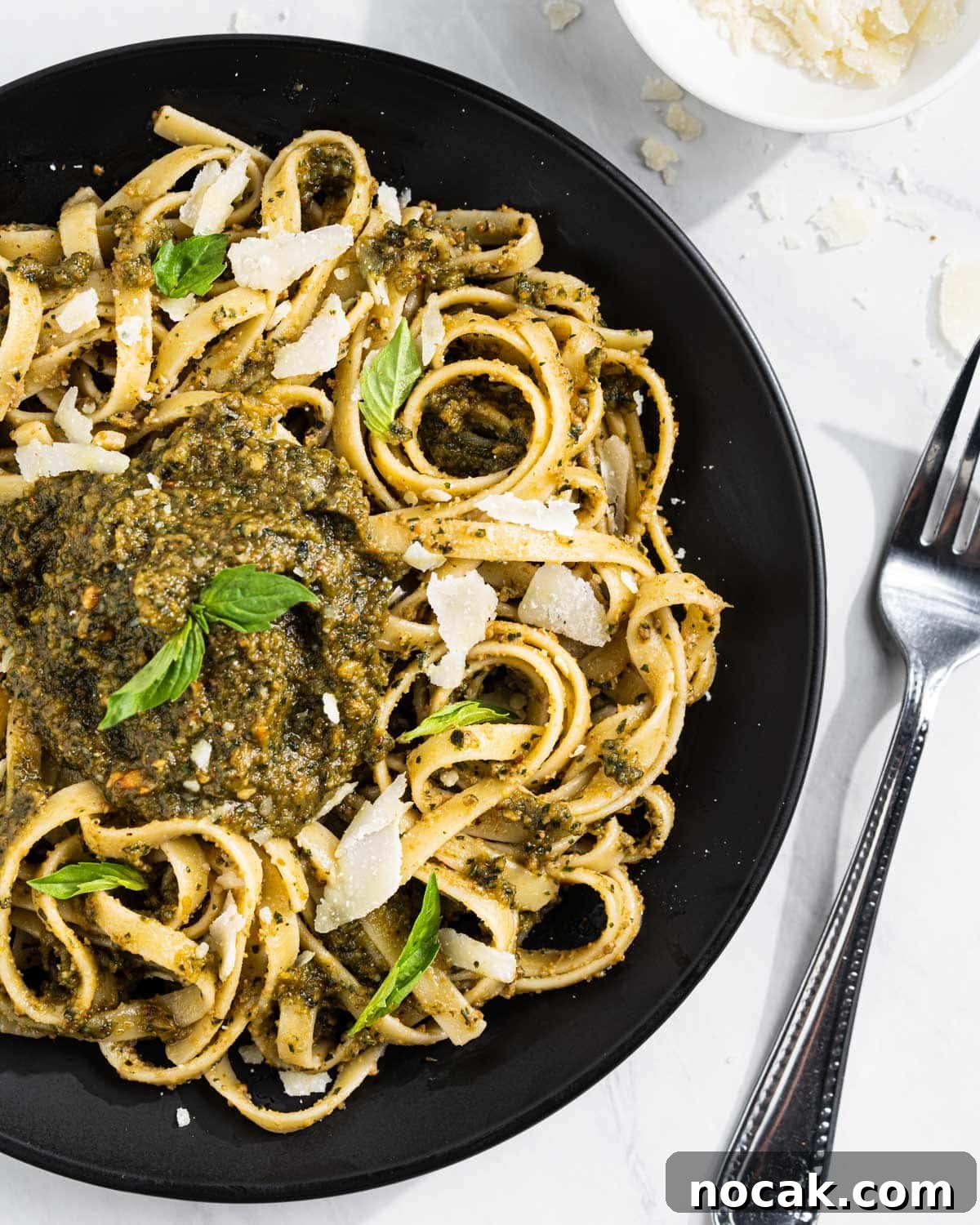
- Pasta sauce: Toss with hot pasta or rice noodles for a bright, aromatic finish.
- Pizza: Use as a base or drizzle after baking for an herb-forward twist.
- Sandwich spread: Spread on sandwiches and wraps for added flavor.
- Grilled proteins: Brush on chicken, shrimp, or tofu while grilling or serve alongside as a sauce.
- Stir-fries: Stir a spoonful into vegetable or protein stir-fries for instant flavor.
- Salad dressing: Thin with a little extra oil or vinegar and use as an herbaceous dressing.
- Grain bowls: Drizzle over quinoa or rice bowls with roasted vegetables and protein.
- Roasted vegetables: Toss with warm roasted vegetables so they absorb the pesto’s flavor.
- Burgers and eggs: Spread on burgers or add a dollop to omelets, frittatas, or scrambled eggs.
How to store leftovers
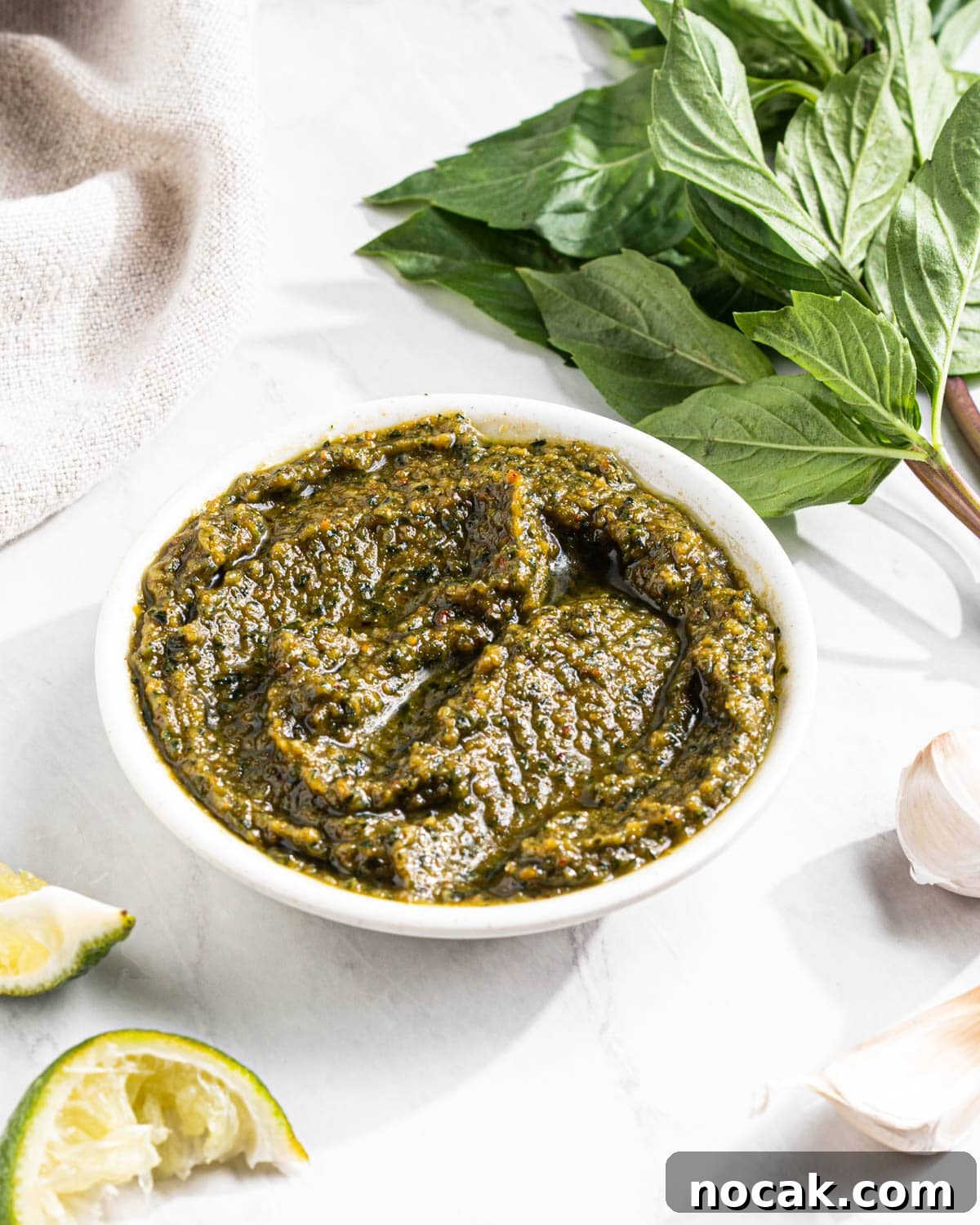
Transfer pesto to an airtight container. Pour a thin layer of olive oil over the surface to limit air contact and preserve the green color, then seal the container.
Refrigerate
Keep refrigerated for up to one to two weeks. The olive oil may solidify in the fridge; let the pesto sit at room temperature and stir before using.
Freezing note
Pestos with cheese can change texture when frozen, so refrigeration is generally preferred. If you want to freeze for longer storage, consider omitting the cheese and adding it fresh after thawing.
RECIPE
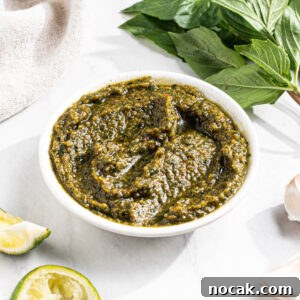
Thai Basil Pesto
Equipment
- Food processor
Ingredients
- 2 cups Thai basil, packed
- 1 clove garlic, minced
- 2 tablespoons fresh lime or lemon juice
- ⅓ cup extra-virgin olive oil
- ⅓ cup pine nuts or walnuts, toasted
- ¼ cup freshly grated Parmesan cheese (optional)
- Salt and pepper, to taste
Instructions
- Chop the nuts: In a food processor, combine the toasted pine nuts or walnuts with the lime or lemon juice, garlic, salt, and pepper. Pulse until well chopped.
- Add basil and cheese: Add the Thai basil and pulse several times. Scrape down the sides, add Parmesan if using, and pulse to combine.
- Emulsify with oil: With the processor running, slowly drizzle in the olive oil until the pesto reaches your desired consistency.
- Season: Taste and adjust with salt and freshly ground black pepper. If needed, thin with a little more oil or a splash of water.