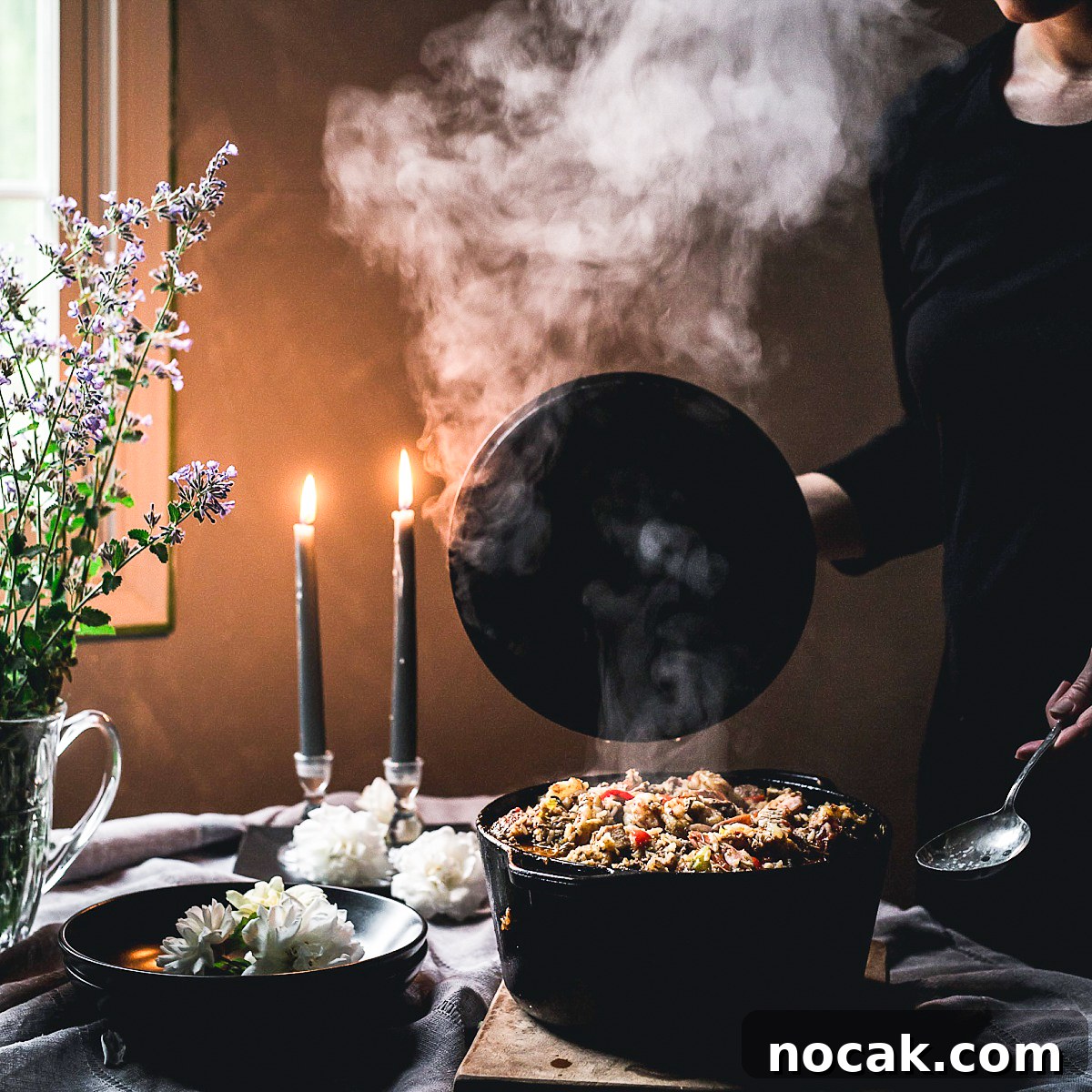
Welcome to The Storied Recipe, a podcast about food, culture, and love.
This recipe comes from my podcast guests, John and Rebekah Leekely, Emmy-award-winning TV writers. John learned the nuances of an authentic Cajun Dutch Oven Jambalaya recipe in long conversations with Chef Paul Prudhomme at a tiny corner table in Commander’s Palace in New Orleans.
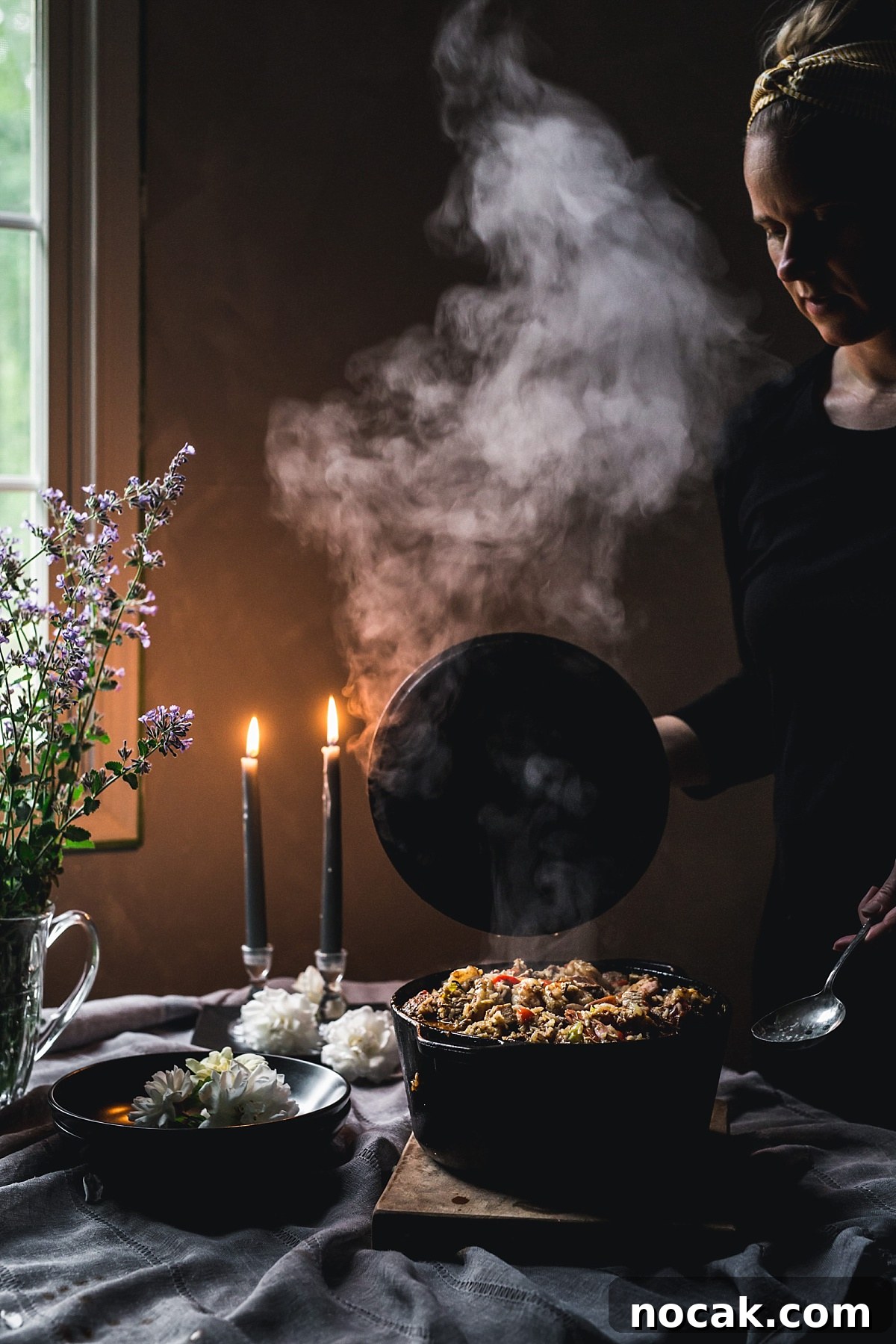
The dish was born one night when John was guided to a locals-only restaurant deep in Cajun country. Repeated visits to New Orleans for the Jazz Festival led to a friendship with Paul Prudhomme, who taught John where to find the best ingredients and the techniques for a true Cajun jambalaya.
This version is upscale—worthy of a place at Commander’s Palace—rich and layered. Because some ingredients can be costly or hard to source, I created a separate, simplified version called Jambalaya for a Crowd with practical substitutions that save time and money while preserving great flavor.
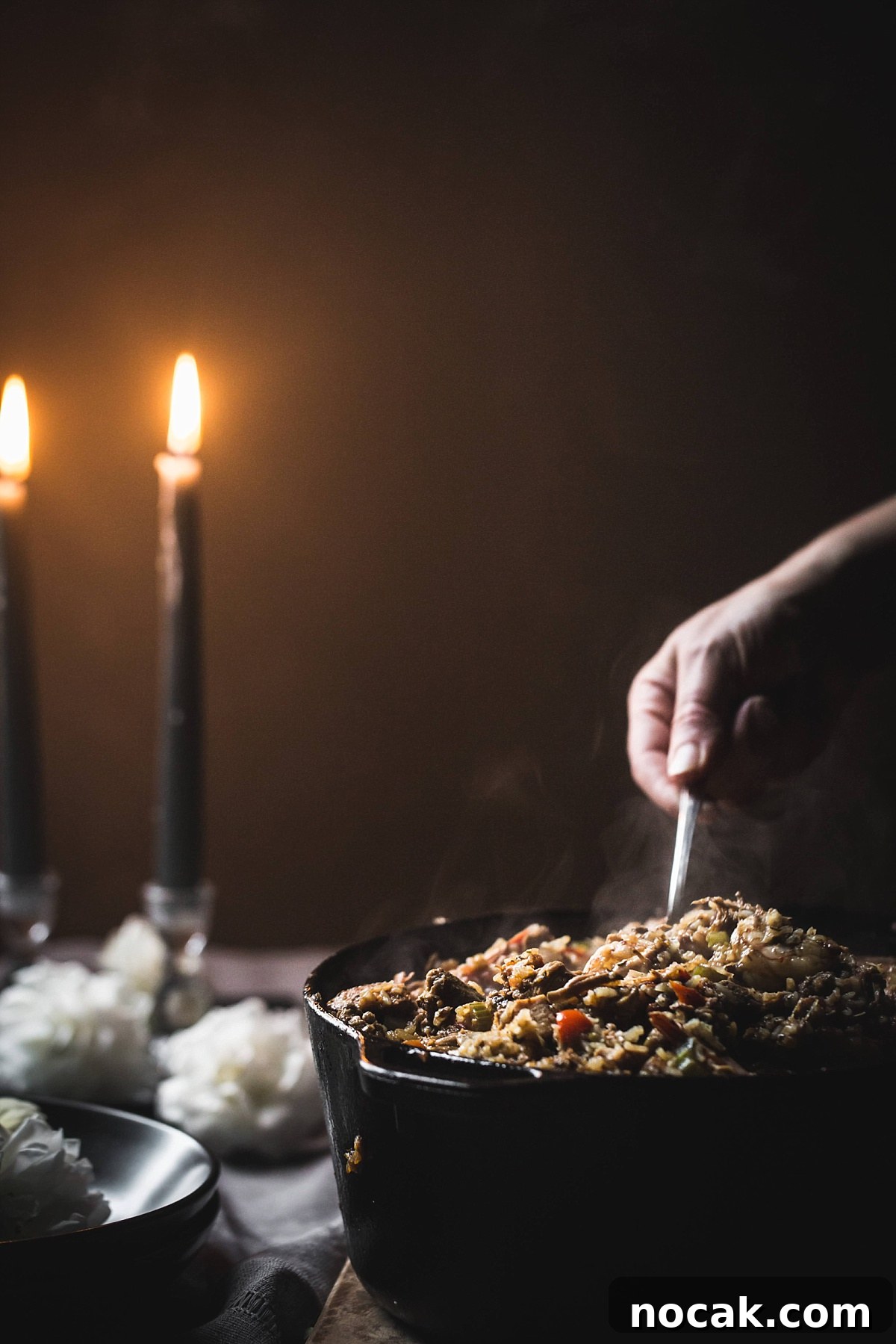
For my family this Dutch oven jambalaya is the best we’ve ever had. It’s meaty and complex: layered, deep, spicy and bold. It shines at Mardi Gras but is also ideal for feeding a large crowd. The recipe scales well for 30, 50, or even 100 people with a few straightforward adjustments.
P.S. Have lots of questions about jambalaya? Read posts about differences like Creole vs. Cajun and Jambalaya vs. Everything, and check a round-up of side dishes that pair well with jambalaya for answers to many common questions.
Listen to John and Rebekah’s Story
John and Rebekah Leekely share how they cook for a large blended family, expert tips on jambalaya, and the African, Caribbean, and French influences that shaped Cajun and Creole cooking.
Follow The Storied Recipe in Your Favorite Player
Subscribe to The Storied Recipe podcast in your favored app to hear the full episode and other stories behind recipes.
Ingredients: What goes in Cajun Jambalaya?
Best rice choice?
- Long-grain rice is the authentic choice in Louisiana and is economical for a protein-forward dish.
- Parboiled rice holds up better and retains more nutrients; it stays firmer during long cooking, which can be an advantage in jambalaya.
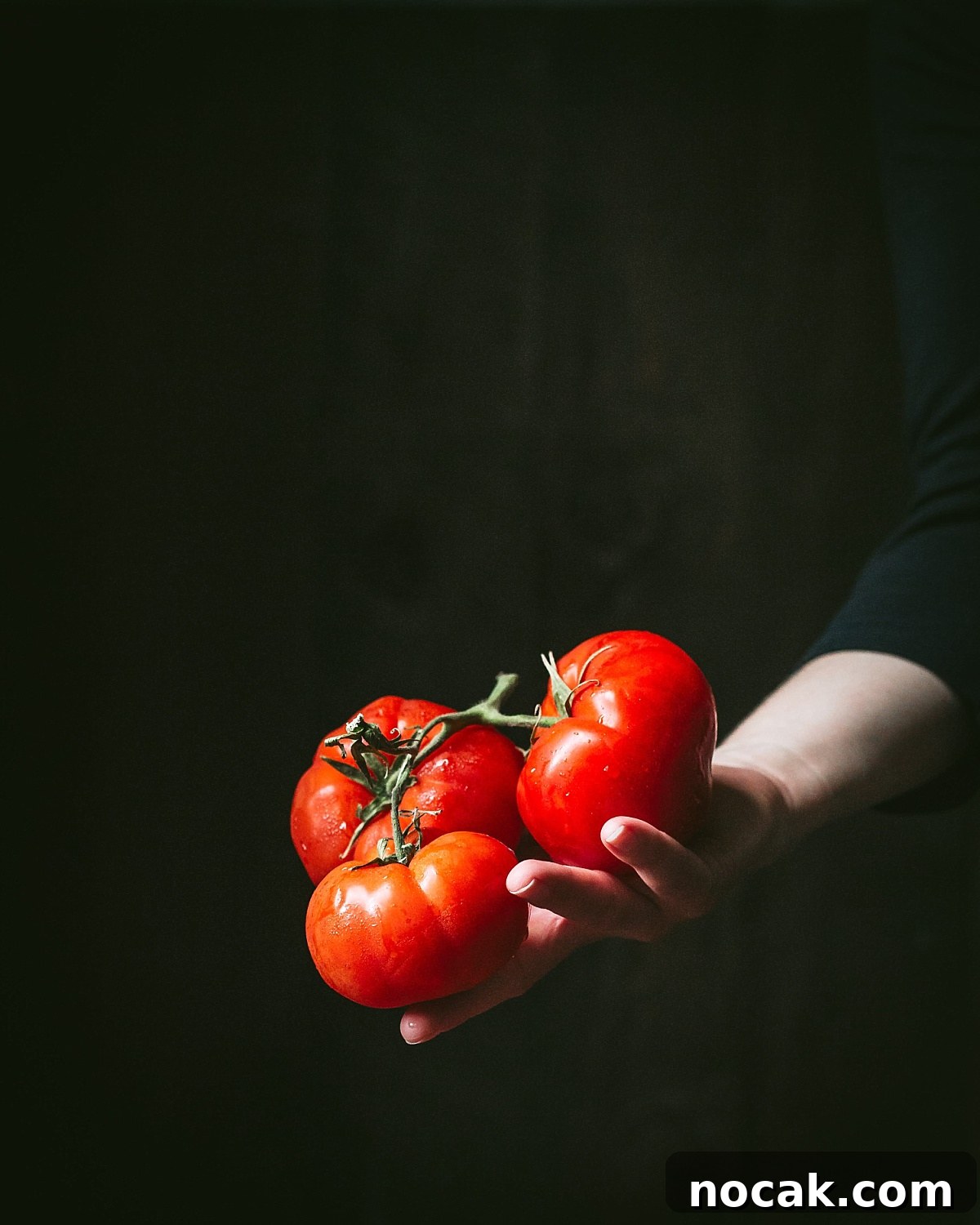
Top tomato choice?
- This recipe follows a Creole-style jambalaya that includes tomatoes; they add body and balance but are not the dominant flavor.
- If using canned tomatoes, choose thicker, pulpy varieties and discard excess juice or seeds to avoid watering down the pot. For deeper tomato flavor, add tomato paste rather than extra sauce.
Does jambalaya have okra?
- Not in Chef Prudhomme’s version and not in this recipe. There are many regional variations, so feel free to add okra if you like.
Chicken stock vs. seafood stock
- The stock affects flavor significantly. John recommends combining broth made from seafood shells with chicken stock for depth.
- For a simpler approach, using quality store-bought chicken stock and shrimp as the sole seafood still delivers excellent results and saves time.
Substitutions for the four proteins
Seafood
- John’s high-end version calls for shrimp, whole crab and crawfish or oysters, using discarded shells to build a rich broth.
Pork
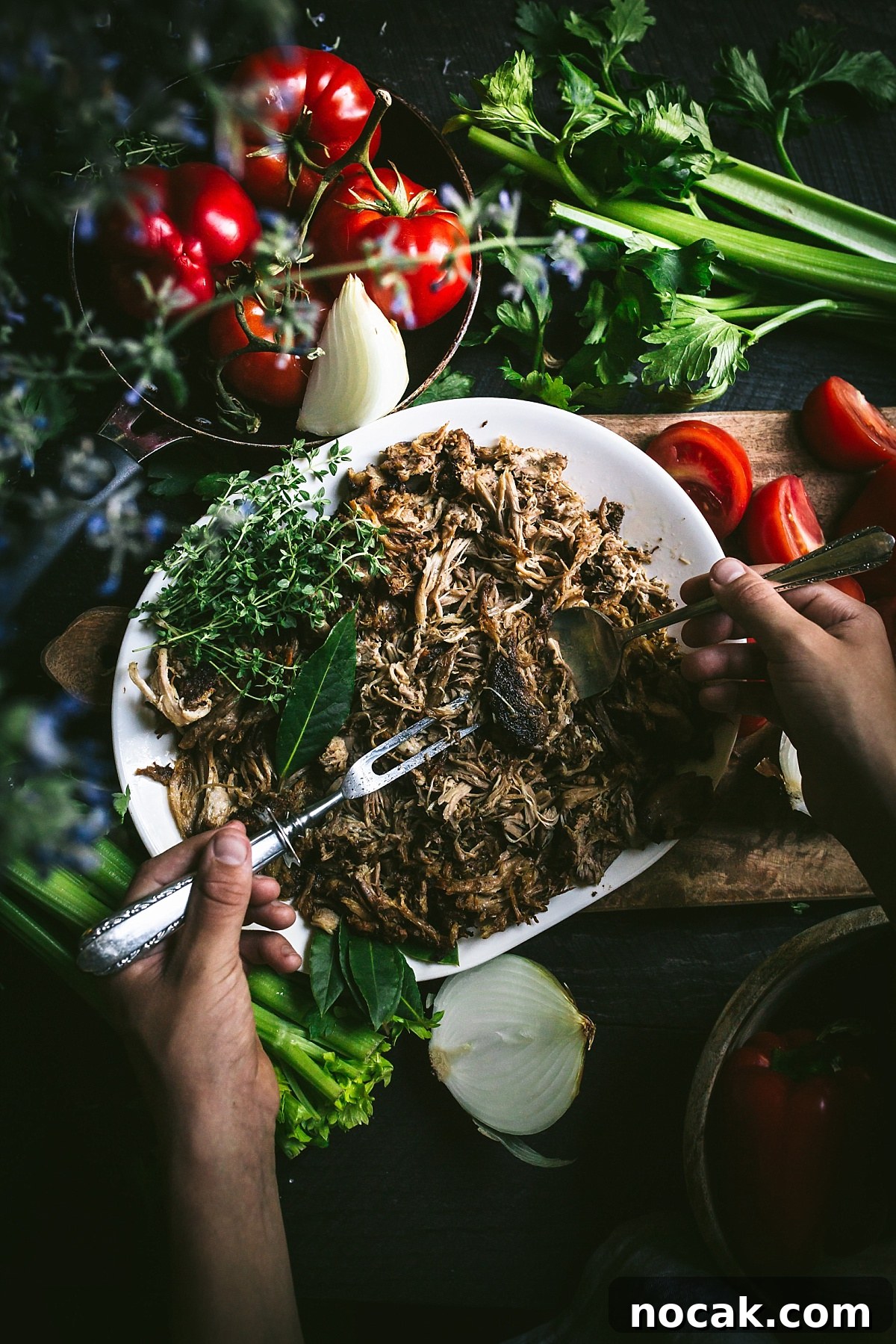
- Tasso ham is the traditional New Orleans choice. It is cured pork shoulder seasoned with Cajun spices. When unavailable, smoked ham hocks or roasted pork shoulder are good substitutes.
Chicken
- Use thighs rather than breasts for more flavor and better texture. Chop into pieces and brown them in the Dutch oven to build flavor in the pan.
Sausage
- Smoked Andouille is the classic and adds authentic spice. Browning the sausage first releases flavorful oils that enhance the entire dish.
Surprising note
- John says the classic “Holy Trinity” used by Chef Prudhomme included red pepper rather than green pepper. It’s a flavorful choice that works well in this recipe.
File powder
- File (gumbo filé) powder, made from sassafras leaves, adds a sweet, herb-like note and reflects Native American influence; it is an important flavor in this jambalaya.
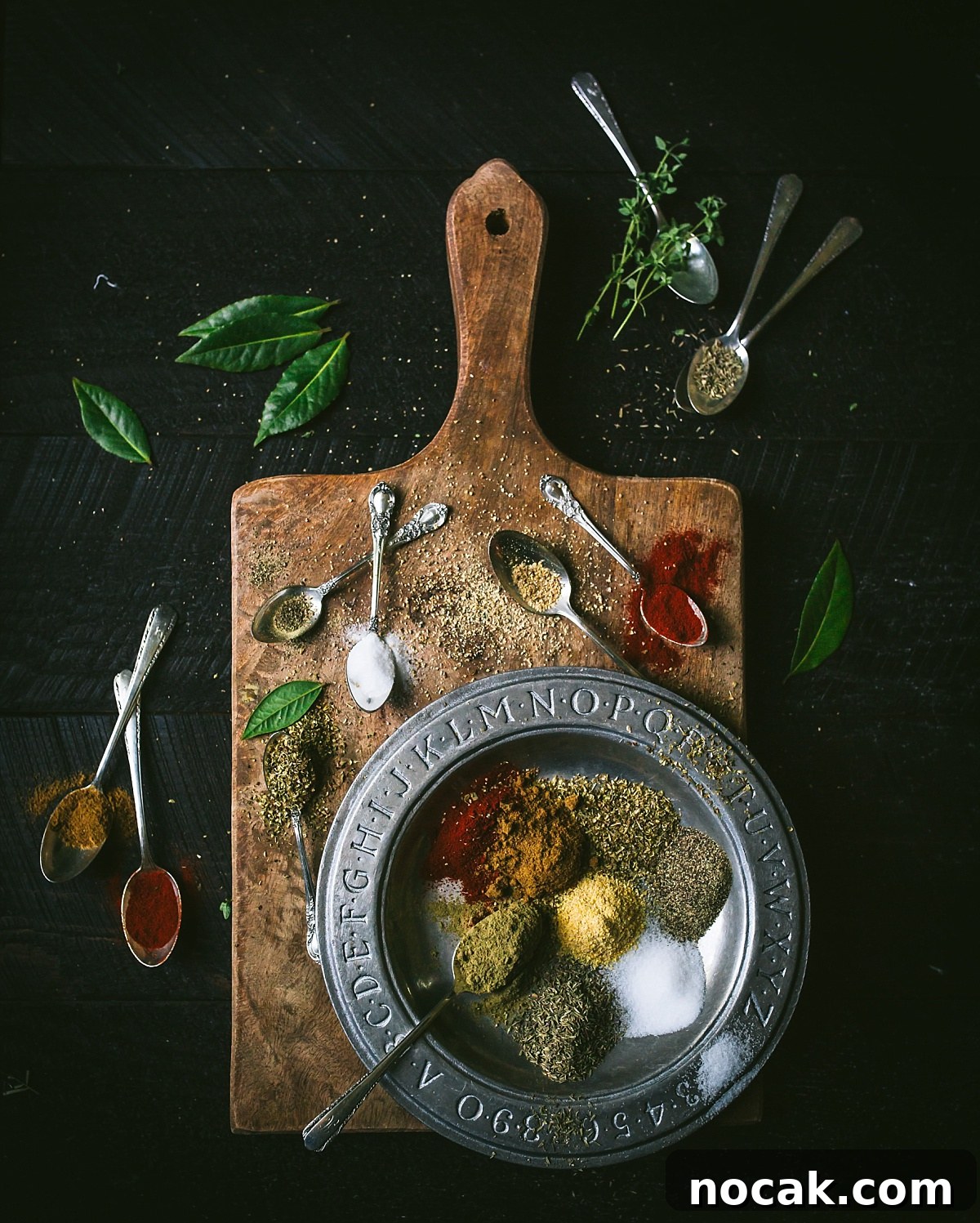
Cajun seasoning spices
- Follow the spice mix carefully and use it liberally; this blend is central to the recipe’s character.
- Do not use red pepper flakes in place of the powdered cayenne recommended here.
Instructions
- This is essentially a one-pot dish; using a single Dutch oven concentrates flavor as ingredients mingle from the start.
- If roasting pork or grilling chicken for a large batch, start prep the night before. When feeding a crowd, staging work in advance makes the process manageable.
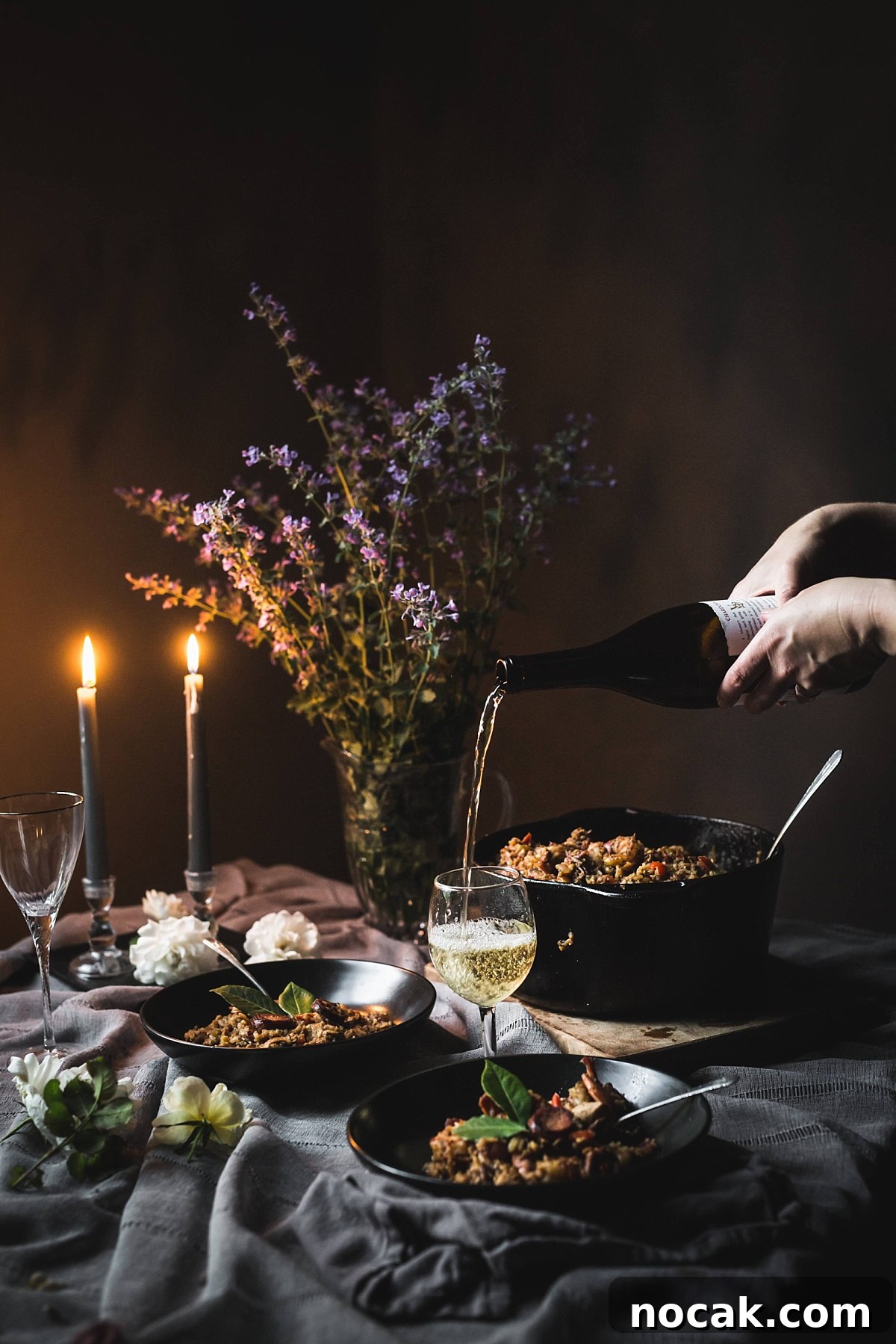
Equipment
- A large enameled Dutch oven is essential for even heat and capacity.
- Cast iron is traditional, but enameled Dutch ovens are easier to care for while still delivering excellent results.
- For very large quantities, a giant roasting pan can substitute; plan for even heat distribution and adequate stirring space.
- A slotted spoon is useful for lifting proteins while leaving pan juices behind. A large stockpot is optional if you plan to make seafood stock from shells.
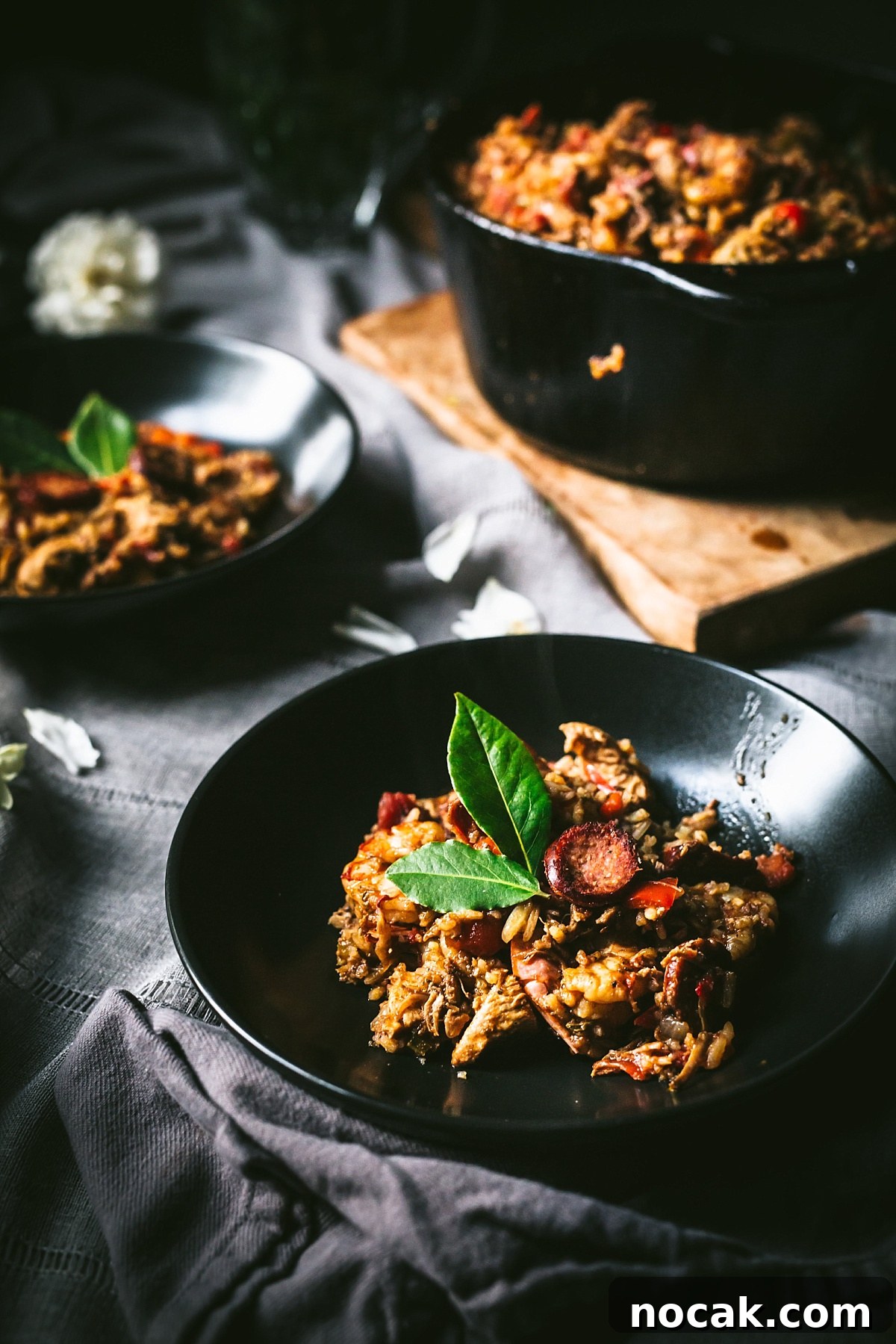
Storage & reheating
- Refrigerate leftovers up to a week; freeze up to six months. Divide into portions for even reheating.
- To freeze, place in a foil pan, cover with plastic wrap and foil for protection.
- Defrost overnight in the refrigerator before reheating. Remove plastic wrap, add a bit of broth, cover with foil, and warm slowly in a 250°F (120°C) oven for about an hour.
- If reheating from frozen, heat gently for 90–120 minutes until the center reaches a safe serving temperature.
More recipes from the American South
- Easy Fluffy Vegan Cornmeal Pancakes (Gluten Free Option)
- Creamy Frozen Cranberry Salad Bites with Pineapple
- Easy, Savory, Crispy Zucchini Pancakes with Bisquick
- Basic Recipe for Fluffy Soft Scones with Buttermilk
Food safety
Working with shrimp:
- Thaw frozen shrimp in the refrigerator, not at room temperature.
- Avoid cross-contamination by keeping raw shrimp away from other ingredients and surfaces and washing hands thoroughly after handling.
Working with chicken:
- Keep chicken refrigerated at 40°F (4°C) or below until cooking.
- Cook chicken to an internal temperature of 165°F (74°C). Wash hands and any utensils that contact raw chicken before touching other items.
Use separate utensils or wash thoroughly between handling different proteins to prevent cross-contamination. Cook jambalaya to a minimum internal temperature of 165°F (74°C) and reheat leftovers to the same temperature.
- When freezing or reheating, divide leftovers into smaller portions to ensure even warming.
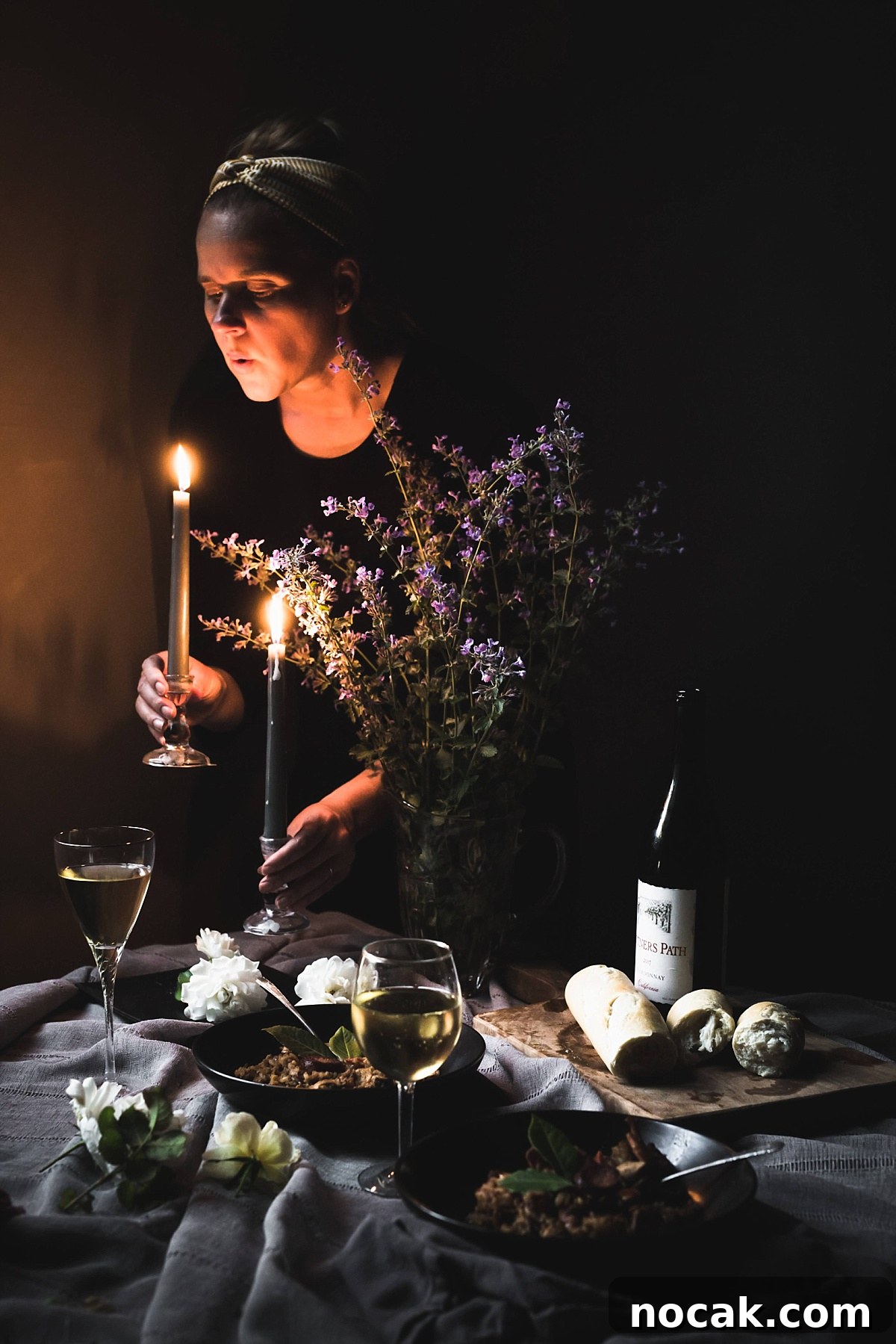
Recipe
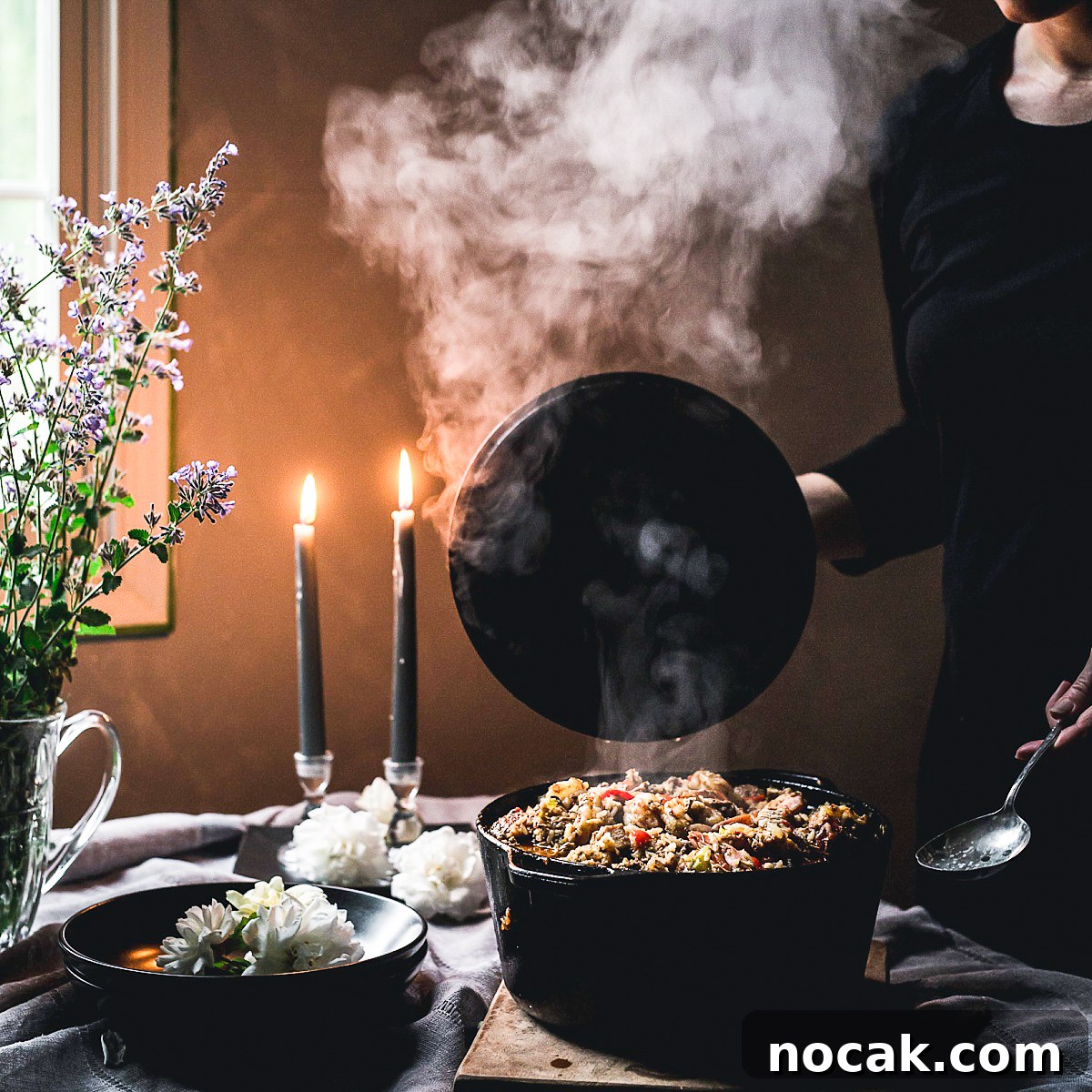
Dutch Oven Jambalaya (Authentic Cajun Recipe from Paul Prudhomme)
4.7 from 35 reviews
- Total Time: 3 hours
- Yield: 12 servings
Description
An authentic one-pot Cajun Dutch oven jambalaya, inspired by a memorable night in the bayou and refined by John Leekely after conversations with Chef Paul Prudhomme.
Ingredients
Cajun Seasoning
- 2 teaspoons Gumbo filé powder
- 2 teaspoons cayenne pepper (optional)
- 1 teaspoon smoked hot Spanish paprika or chili powder
- 2 teaspoons dried oregano
- 2 teaspoons dried thyme leaves
- 2 teaspoons salt (use 1 teaspoon if using smoked meats)
- 2 teaspoons black pepper
- 1 teaspoon ground cumin
- 2 teaspoons dry mustard powder
- 2 teaspoons ground white pepper
Proteins
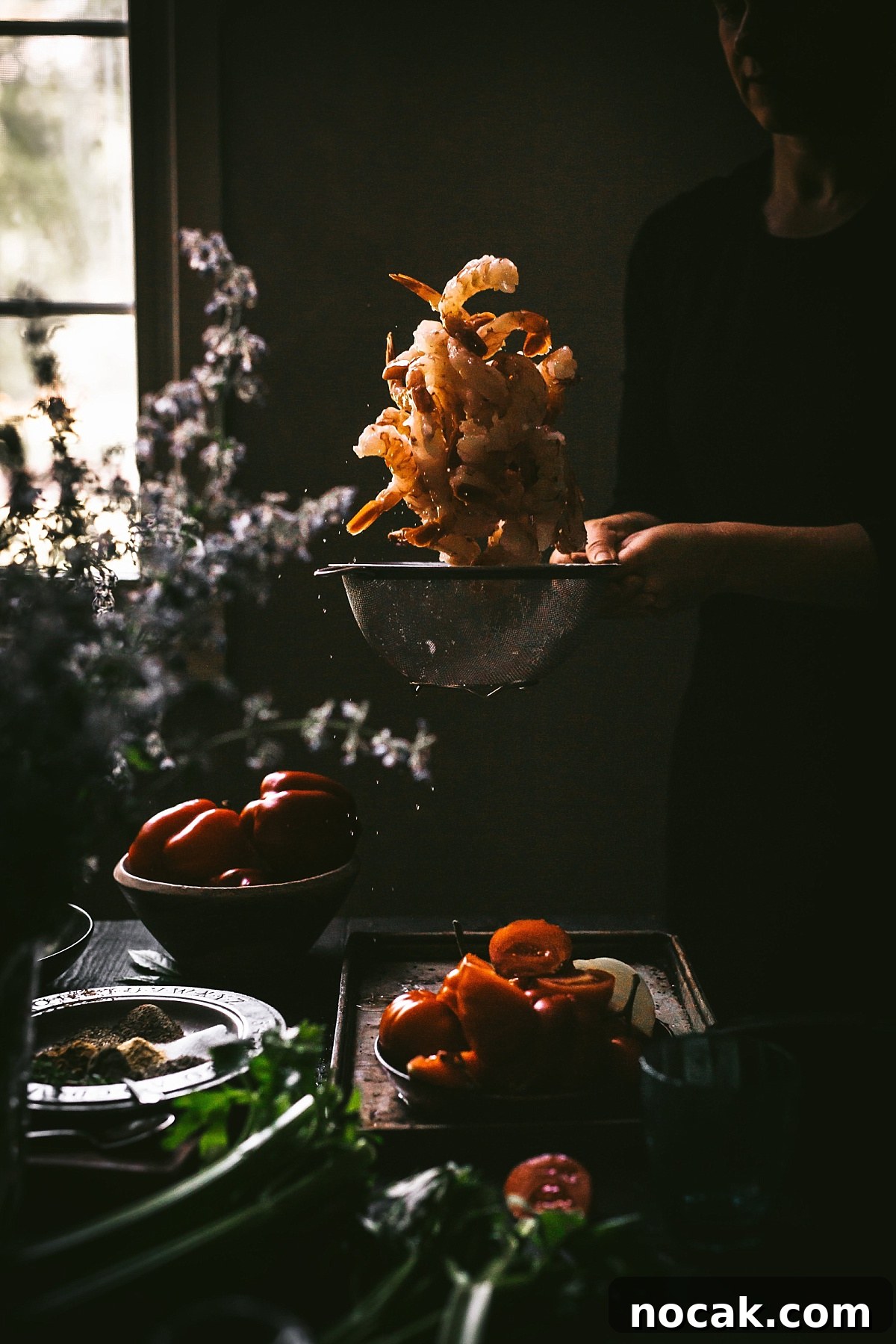
- 1 pound peeled and deveined shrimp (boil shells down to make broth)
- 1 whole crab — save shells for broth
- 1 pound crawfish, langostino, or oysters — save shells for broth
- 2 pounds boneless skinless chicken thighs, chopped into 1×1 inch pieces
- ½ pound Tasso ham (or smoked ham hocks / roasted pork shoulder)
- 1 pound smoked Andouille sausage
Broth
- 2 cups broth from boiled seafood shells (or chicken stock as a practical alternative)
Vegetable mixture
- 1 large sweet onion, diced
- 1 large red bell pepper, diced
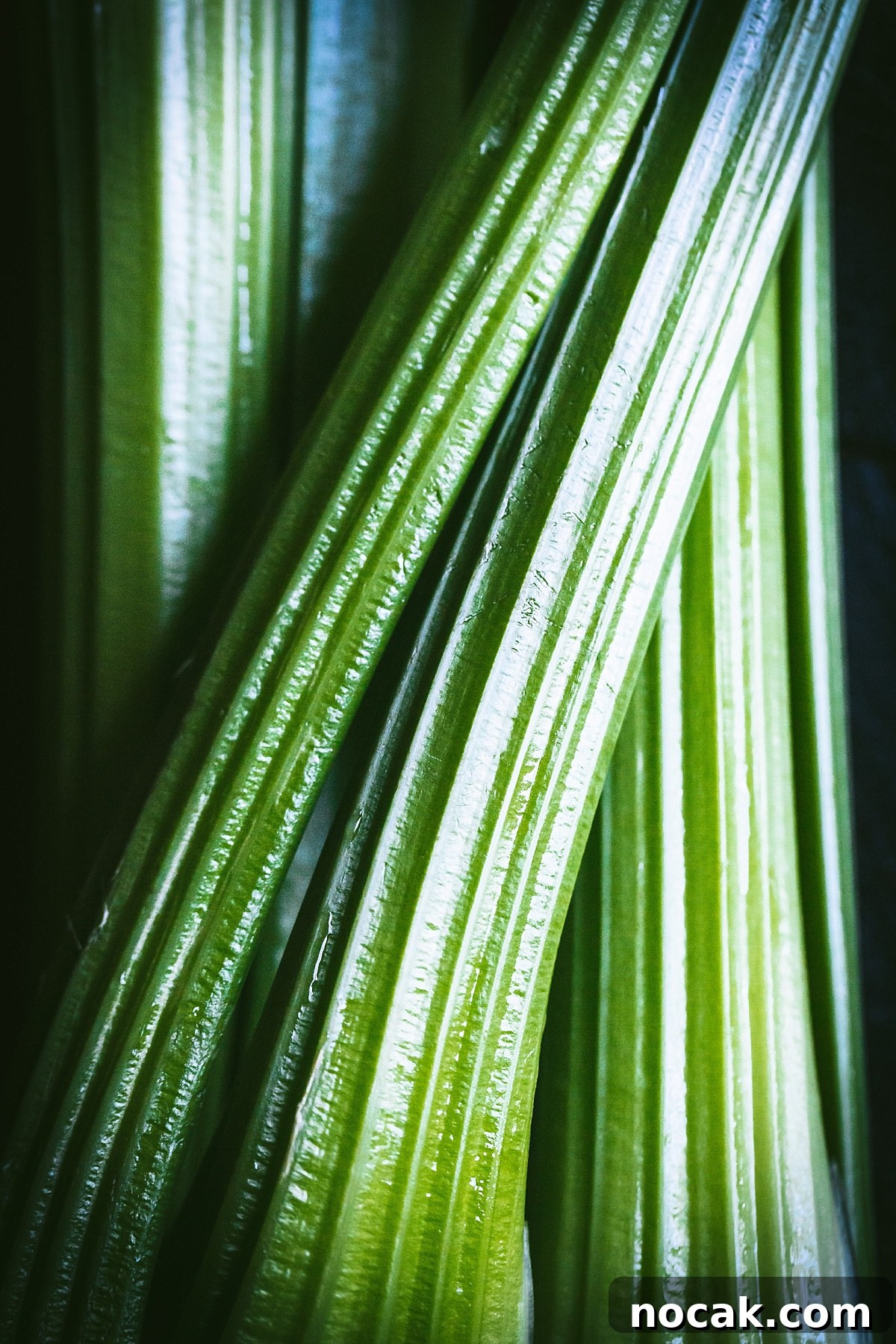
- 5 stalks celery, sliced thick
- 5 large cloves garlic, crushed, divided
- 1 large can of thick tomatoes (San Marzano-style), including some juice
- ½ cup olive oil (or ¼ cup olive oil + ¼ cup duck fat), divided
- 1 tablespoon Worcestershire sauce
- 2 cups long-grain white rice (see notes for scaling)
- 5–6 bay leaves
Instructions
Cue Up The Episode
Listen to John and Rebekah while you cook to hear the story behind the recipe and tips for success.
Make the Cajun spice mix
- Combine all spices for the Cajun seasoning and set aside; you’ll use this throughout the cook.
Prepare seafood and make the broth
- Shell and devein seafood as needed.
- To make seafood broth, place shells in 4–8 cups of water, bring to a simmer in a stockpot and cook for about 2 hours. Strain and reserve the broth.
Chop vegetables
- Dice vegetables into similar-sized pieces for even cooking.
Make jambalaya in the Dutch oven
- Cut chicken into 1½ inch chunks and season with salt and pepper.
- Warm half the oil (and duck fat if using) over medium heat.
- Add half the garlic and the chicken; sprinkle on ⅓ of the Cajun seasoning and brown the chicken.
- Add the sausage and cook until the chicken is about two-thirds done.
- Remove the meats, cover and set aside.
- Toss the raw shellfish with ⅓ of the Cajun seasoning in a bowl.
- Gently sauté the shellfish in the same pan on low heat until shrimp just plump and absorb seasoning; remove and set aside.
- Warm the remaining oil and duck fat, add the remaining garlic and cook briefly until fragrant.
- Increase heat to medium-high, add the uncooked, rinsed rice and stir constantly until lightly toasted and coated with oil (about five minutes). Remove and set aside.
- In the same pot, sauté onions in the remaining oils until opaque. Add bell peppers, celery and the rest of the Cajun seasoning; cook until softened, about 10 minutes.
- Return the rice and meats to the pot. Stir in all broth, Worcestershire sauce and bay leaves, scraping any brown bits from the bottom of the pan.
- Simmer with the lid off until rice has absorbed most of the liquid but still has a slight bite, about 15 minutes.
- If making a large double batch, combine everything in a large roasting pan, cover tightly and finish in a 350°F (175°C) oven for 30 or more minutes.
- Add the reserved shellfish and tomatoes, simmer 5 more minutes to meld flavors.
- If the rice remains undercooked, add additional broth as needed and continue cooking until done.
Notes
- Note 1: For larger crowds, add ½ lb uncooked rice and 1 cup additional broth for every pound of protein.
- Listening to the related podcast episode will enrich your experience and give helpful context while you cook.
- Prep Time: 1 hour
- Cook Time: 2 hours
- Category: Chicken, Main Dish, Pork Dishes
- Cuisine: Seafood, Southern Cooking
Nutrition
- Calories: 300