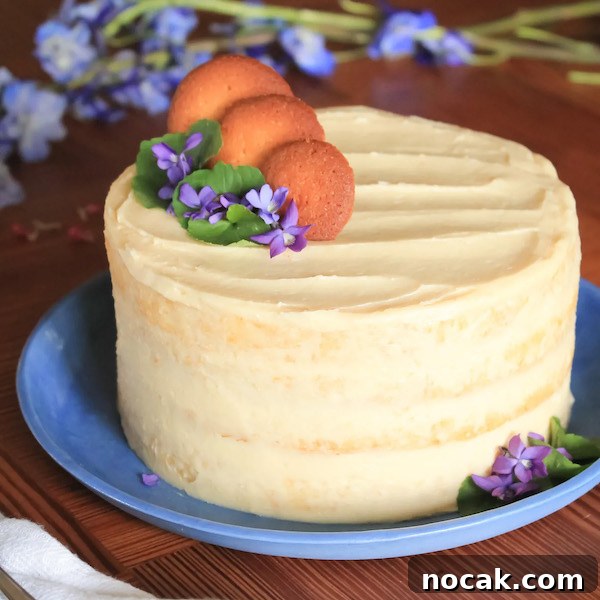
Malted Vanilla Cake
Tips: use a high-quality vanilla bean or pure vanilla extract for the most pronounced vanilla flavor. If you prefer a lighter frosting, reduce the butter by 1–2 ounces and add a touch more powdered sugar to achieve desired consistency. For neat layer cakes, chill the layers briefly before slicing and assembling.
Ingredients
Vanilla Cream Cake
- 1 1/4 cup all purpose flour
- 1 1/2 teaspoons baking powder
- 1/2 teaspoon salt
- 2 eggs
- 2/3 cup sugar
- 3/4 cup heavy cream
- 1/2 vanilla bean
- 1 teaspoon vanilla sugar (optional)
Malted Vanilla Frosting
- 8 ounces unsalted butter, very soft
- 1/2 teaspoon salt
- 3/4 cup powdered sugar, sifted
- 1/2 cup malted milk powder
- 3-4 tablespoons heavy cream, room temperature
- 2 teaspoons vanilla
Instructions
For the vanilla cream cake:
-
Preheat the oven to 350°F (175°C). Butter two 6-inch cake pans, line the bottoms with parchment, and set aside. Preparing pans ahead ensures even baking.
-
In a medium bowl, sift together the flour, baking powder, and salt. Whisk briefly to combine and set aside so the dry mix is ready when you fold it in.
-
Combine the heavy cream, scraped vanilla bean seeds, and vanilla sugar (if using) in a separate bowl or measuring cup. Stir until the seeds are evenly distributed in the cream, then set the mixture aside.
-
Using a stand mixer with the whisk attachment, beat the eggs on medium speed until thick and pale — about 4–6 minutes. The eggs should increase substantially in volume. Gradually add the sugar while continuing to whisk until the mixture reaches the ribbon stage: when you lift the whisk the batter falls back in a wide ribbon that sits on the surface for a few seconds.
-
Fold the dry ingredients into the egg mixture in three additions. After the first third, fold in about half of the cream mixture. Continue alternating, finishing with the final portion of dry ingredients. Use a gentle folding motion to preserve the aeration from the whipped eggs.
-
Divide the batter evenly between the prepared pans and smooth the tops. Bake for 20–25 minutes, or until the centers are set and a toothpick inserted in the middle comes out clean. Ovens vary, so begin checking at 18 minutes.
-
Allow the cakes to cool in the pans for about 15 minutes, then invert onto cooling racks. Remove parchment and let the layers cool completely before slicing or frosting to prevent melting the buttercream.
For the malted vanilla frosting:
-
In a stand mixer fitted with the paddle attachment, beat the very soft butter with the salt until light and fluffy. Scrape down the bowl as needed to keep the texture even.
-
Add the sifted powdered sugar in two to three additions, mixing until each addition is fully incorporated. Start on low speed to avoid a sugar cloud, then increase speed to combine thoroughly.
-
Add the malted milk powder and mix until fully blended. Taste and adjust the malt level to your preference — more malted milk powder will give a stronger, toasty malt flavor.
-
Mix in the heavy cream and vanilla a tablespoon at a time until the frosting reaches a spreadable, fluffy consistency. Whip for 1–2 minutes on medium-high for a light texture, and chill briefly if the frosting becomes too soft.
To assemble cake:
-
When the cake layers are fully cooled, remove the parchment. If desired, slice each layer in half horizontally to create four even layers for a taller, more elegant presentation.
-
Place the bottom layer on a cake plate and spread a thin, even layer of frosting. Continue stacking the next two layers, applying frosting between each to secure and add flavor.
-
After adding the third layer, place the final layer on top and press gently so the cake is stable. Apply a thin crumb coat over the entire cake to trap crumbs, then chill for at least 15 minutes to set the coat.
-
Use the remaining frosting to finish polishing the cake. Smooth with an offset spatula or create swirls and peaks, depending on your preferred look.
-
Store the cake at room temperature for several hours for best texture, or refrigerate covered for up to two days. Allow chilled cake to come to room temperature before serving for the best flavor and texture.
Notes
Allergen note: this recipe contains dairy, eggs, and wheat. For variations, use non-dairy cream alternatives and a vegan butter substitute, but results will differ. If you prefer a stronger malt flavor, increase the malted milk powder incrementally and taste as you go. For a decorative finish, sprinkle a small amount of malted milk powder or toasted crumbs on top just before serving.
Did you try this recipe?
Be sure to leave a comment below!