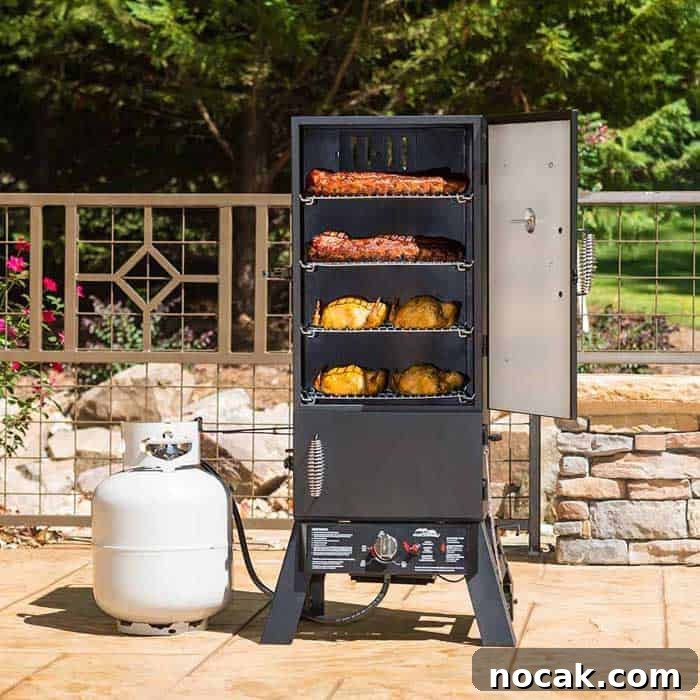
Take your smoking game to the next level. Learn everything you need to know to use an electric smoker with confidence.
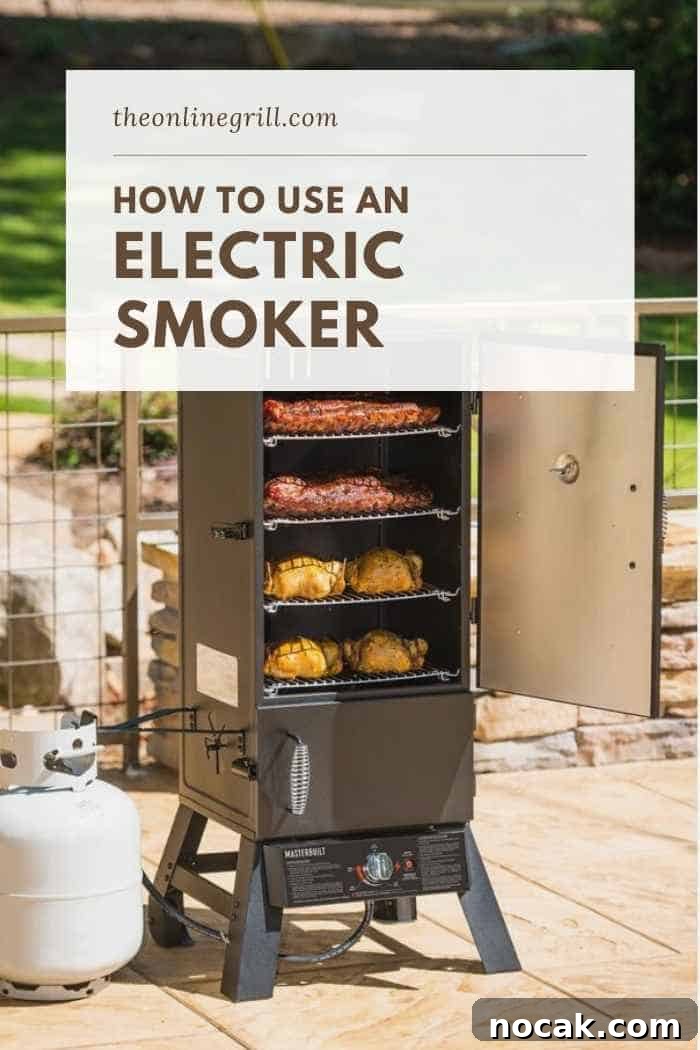
- Choose your smoker
- Season your smoker
- Insert wood chips
- Prepare the meat
- Preheat smoker and add water
- Check your smoker’s temperature
- Start cooking
- What is BBQ smoking?
- How does an electric smoker work?
- What meat works best in an electric smoker?
Smoking is one of the most rewarding methods of outdoor cooking. It gives you room to experiment and produces tender, flavorful results that regular grilling or oven roasting rarely match.
Electric smokers are an excellent entry point for both beginners and seasoned cooks. They reproduce the low-and-slow style of traditional smokers while removing much of the guesswork: temperature control is digital, the setup is straightforward, and they’re generally safer and more economical to run than fuel-based units.
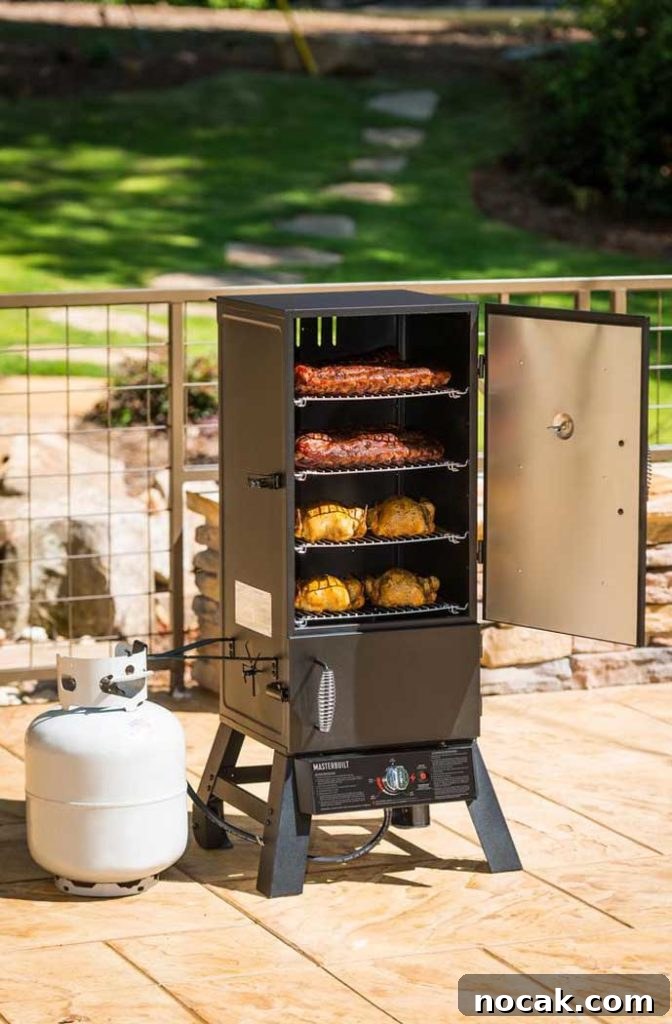
That said, getting the best results does require attention to a few key details. Learn how to use water pans, wood-chip trays, and vents properly, and you’ll be producing consistent, juicy smoked meat every time.
Choose your smoker
In short: Pick a cabinet-style electric smoker with a reliable digital controller, a water pan, and an accessible wood-chip tray.
Electric smokers usually come as vertical water smokers or cabinet-style electric smokers. Vertical water smokers are compact and work well in warm weather. Cabinet models offer better insulation and more stable temperature control, which makes them preferable for year-round use or colder climates.
Consider how you’ll use the smoker and how much control you want. A strong digital control panel simplifies setting temperatures and timers and reduces the need to monitor the unit constantly. Also check the drip pan and the placement of the wood-chip container: a good drip pan keeps the unit cleaner and helps stabilize temperature, and an easily accessible chip tray lets you replenish smoke without opening the main chamber frequently.
Season your smoker
In short: Lightly coat racks and the interior with cooking oil, heat the smoker to set the oil, let it cool, then clean it before the first use.
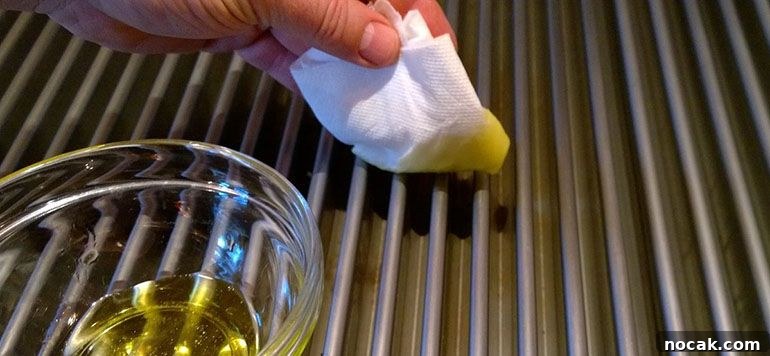
Seasoning removes factory residue and odors and creates a light protective coating on metal surfaces. Apply a thin layer of cooking oil to racks and the interior, then run the smoker at a moderate temperature for one to two hours. Allow it to cool and then wipe down. Some cooks finish by sprinkling coarse salt on the grates and wiping it away to remove any remaining residue.
Insert wood chips
In short: Fill the wood-chip tray or tube with your chosen wood chips—hickory, oak, apple, or pecan are popular—and place it in its designated spot.
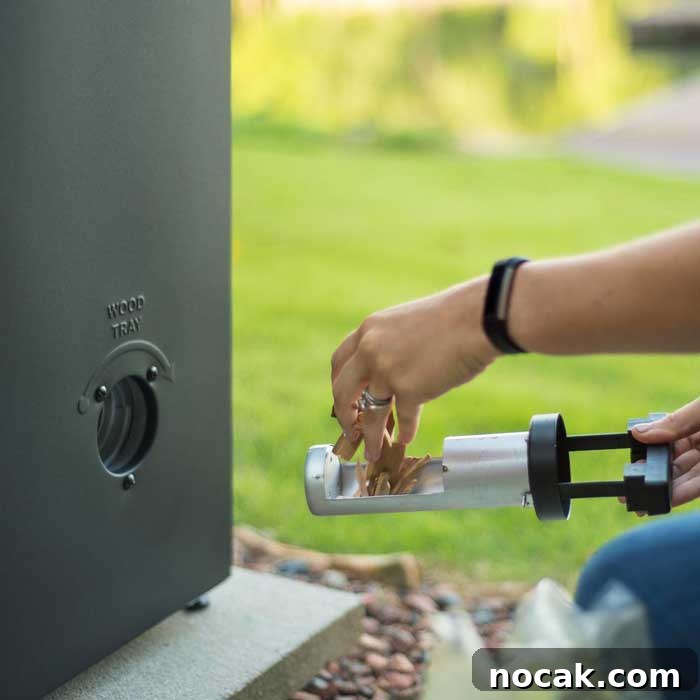
Wood chips are widely available and come in many varieties. Match the wood to the meat—milder woods like apple or maple suit poultry and pork; stronger woods like hickory and oak pair well with beef. A general guideline is roughly four cups of chips for every four hours of smoking, but check your smoker’s instructions.
If your smoker lacks a built-in chip tray, you can use a small metal can or tin placed above the heating element. Fill it about three-quarters full and fold the top slightly to limit airflow so the chips smolder rather than burn. Use tongs to place the can on the heat source once the smoker reaches temperature.
Prepare the meat
In short: Season or brine your meat in advance. Apply a dry rub or marinade and refrigerate as needed before smoking.
Preparation depends on the cut. Brining or marinating can take several hours to overnight but significantly improves moisture retention and flavor. For dry rubs, apply them generously and let the meat rest in the refrigerator so the flavors penetrate. Plan ahead—some preparations require substantial time before the smoker even heats up.
Preheat smoker and add water
In short: Fill the water pan or reservoir, optionally with cider or beer for added aroma. Preheat the smoker to your target cooking temperature.
Water pans create steam that helps keep meats moist and tender. You can add apple cider, citrus peels, beer, or wine for subtle complementary aromas, but avoid overpowering additions. Monitor the water level during long smokes and replenish with hot water to maintain stable temperature and consistent steam.
Check your smoker’s temperature
In short: Monitor the smoker’s internal temperature and aim for about 225°F (107°C). Use an air-probe thermometer for accurate chamber readings.

Different models warm up at different rates. Many electric smokers include a built-in gauge, but a dedicated air probe provides a more reliable reading of the cooking environment. Expect 30–45 minutes for a typical electric smoker to reach the desired temperature. Only start cooking once the chamber is stable at your target.
Start cooking
In short: Place the meat in the smoker once it has stabilized at your target temperature. Monitor the meat’s internal temperature for doneness.
Arrange the meat on the grates with space for airflow and close the door securely. Smoking times vary widely—two to eight hours is common depending on cut and size—so use a probe thermometer to track internal meat temperature. Resist frequent opening of the door, as that lets heat and smoke escape, lengthening the cook.
What is BBQ smoking?
Smoking cooks food slowly at low temperatures for an extended period. This method allows connective tissues and fats to break down gradually, producing tender, juicy results that are often more flavorful than quick grilling or oven roasting. Smokes typically require several hours of cooking and often a brining or marinating period beforehand.
How does an electric smoker work?
Traditional smokers rely on combustion and direct flame, while electric smokers use a heating element to warm wood chips so they smolder and produce smoke. The electric element provides consistent heat without the need to manage live coals, and digital controls make it simpler to maintain steady temperatures throughout a long cook.
What meat works best in an electric smoker?
Electric smokers handle the same cuts that perform well in traditional smokers. Pork shoulder, brisket, beef roasts, ribs, sausages, and poultry are all excellent candidates. Choose slightly fattier or tougher cuts—the long, slow cooking renders connective tissue and fat, delivering juicy, flavorful results. Adjust rubs, wood type, and temperature to suit the cut for best outcomes.