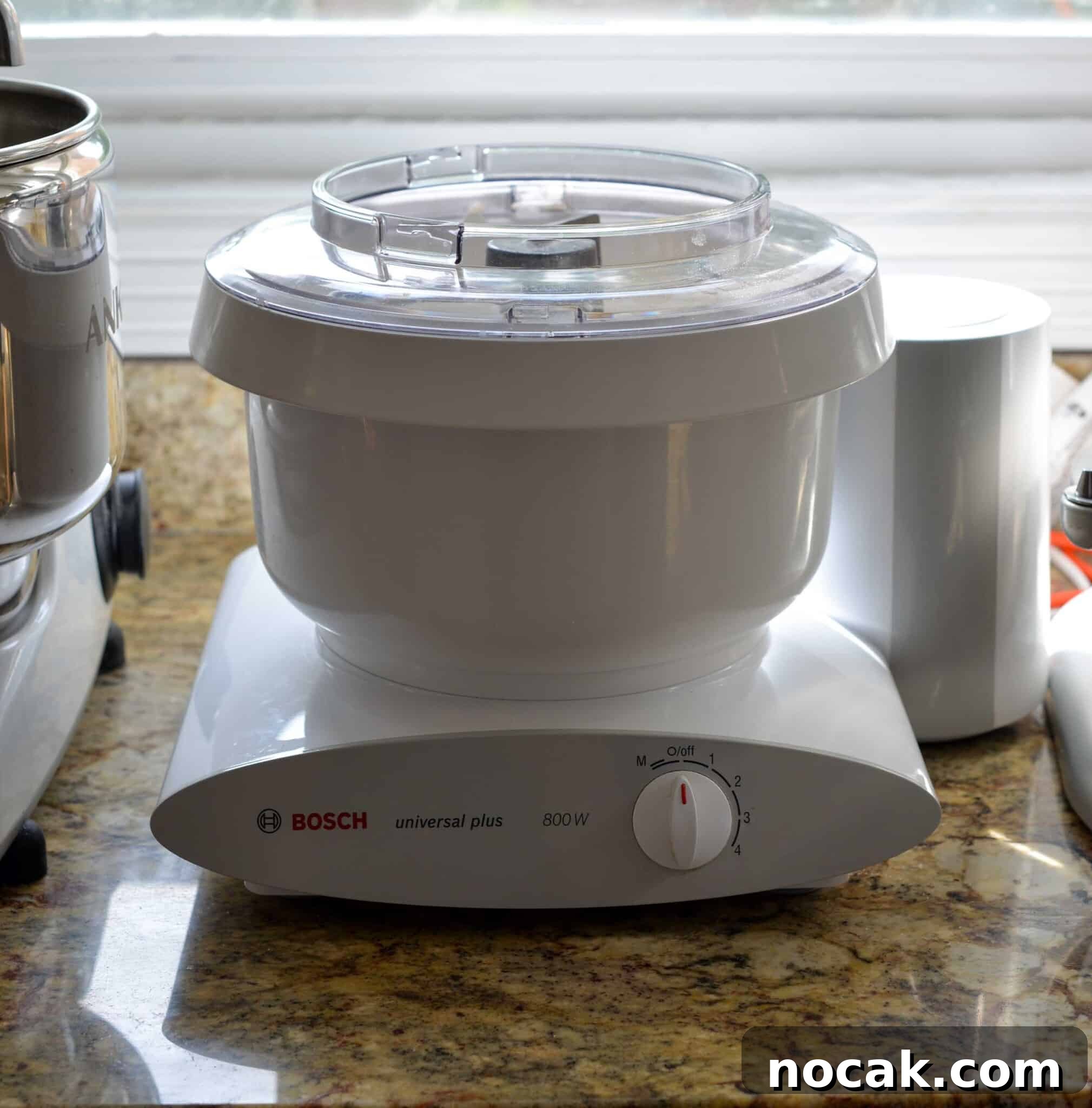
Thinking about your first (or next) mixer? If you’re tired of kneading bread by hand and unsure which reviews to trust, you’re in the right place. After more than 20 years of baking bread with a variety of machines, I’ll share an honest comparison of the best stand mixers for home bakers.
I began with a KitchenAid over two decades ago and later added a Bosch and an Ankarsrum. Most recently I’ve been testing the new Ooni Halo Pro. I’ve purchased and used all of these mixers extensively—none were gifted—and each has strengths depending on your baking habits. My goal is to help you choose the best mixer for your kitchen and baking style.
In this review I compare four popular models—KitchenAid, Bosch, Ankarsrum, and the Ooni Halo Pro—and share hands-on experience with bread, sourdough, and everyday baking.
Disclaimer: You don’t need a stand mixer to make bread. It’s a helpful tool, but hand kneading works fine if you allow more time.
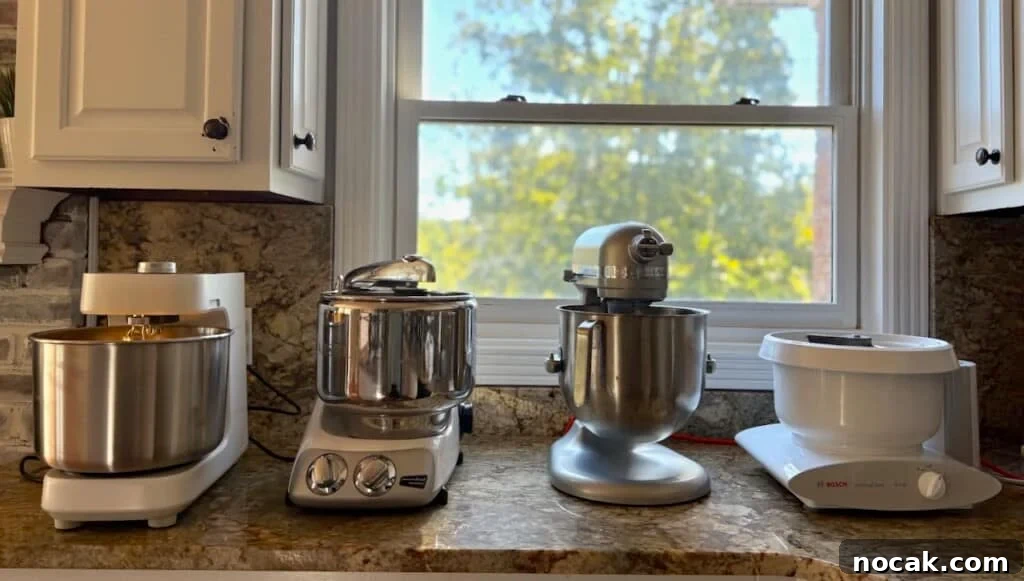
Want to see a video of all four mixers in action? Find it at the bottom of this post
Why Would I Want a Stand Mixer?
I bought my first stand mixer when I began baking more bread at home. Whether you’re new to baking or experienced, a stand mixer can be a solid investment, especially if you bake frequently.
- Time saver: A stand mixer kneads dough while you do other tasks, saving effort and hands-on time.
- Bulk baking: Large bowls handle multiple loaves or big batches of cookies, which is ideal if you prepare bread or baked goods in advance.
- Arm and wrist relief: Kneading by hand can strain wrists and arms; a mixer removes that burden, especially for recipes calling for long kneading.
- Versatility: Mixers also handle batters, whipped creams, frostings, and optional attachments expand their uses—pasta rollers, meat grinders, and more.
Do I need a stand mixer for sourdough?
For classic artisan sourdough, no—traditional methods use hand mixing, stretch-and-folds, and time. If you want to make enriched sourdough breads or consistent sandwich-style loaves, a mixer can help develop gluten more efficiently and save time.
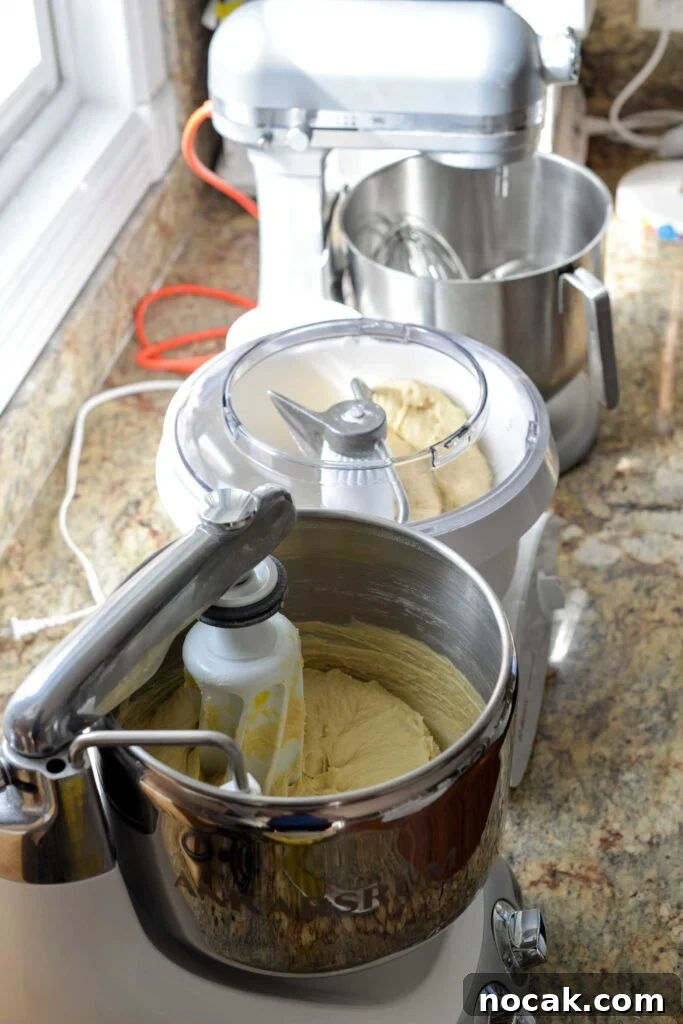
Which Stand Mixer is Best for a Home Baker?
The best mixer depends on what you bake and how often. Do you bake mostly breads, or is your time split between cookies, cakes, and batters? Budget and kitchen space also matter. Below I focus on four mixers I’ve used extensively: KitchenAid, Bosch, Ankarsrum, and Ooni Halo Pro. Each handles generous dough amounts—generally up to several one-pound loaves depending on the recipe—and each excels in different areas.
Because I primarily bake bread, I’ll highlight dough performance but also cover cookies, cakes, and frostings so you can decide which machine suits your routine.
KitchenAid Mixer (Around $600)
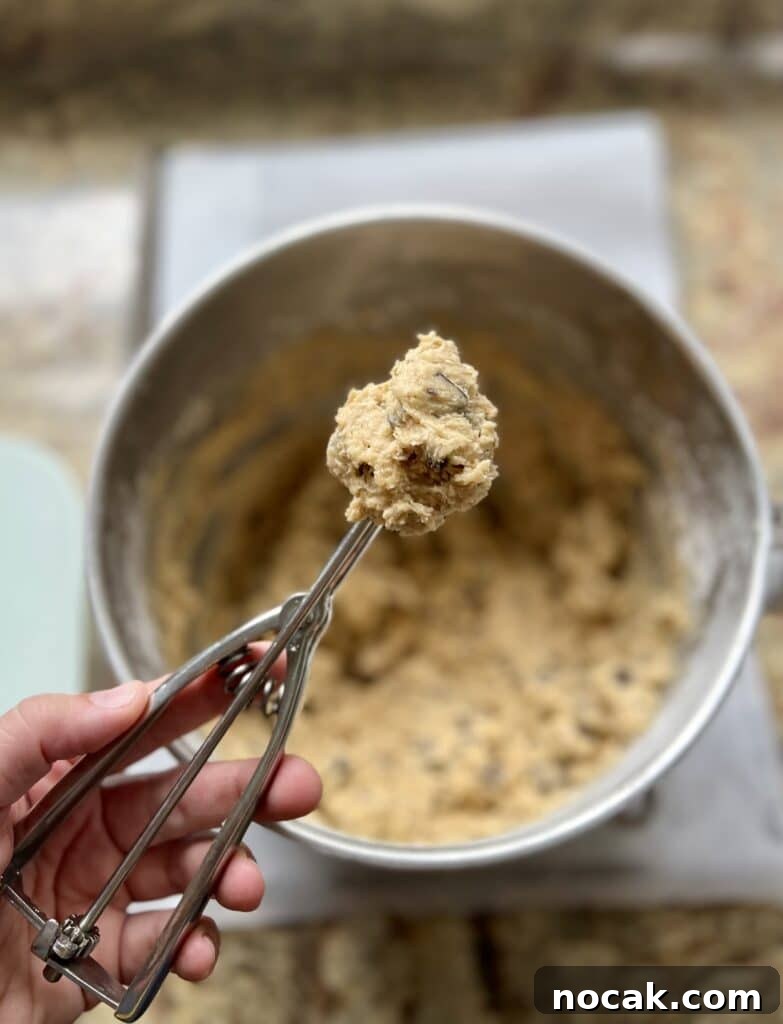
Overview: KitchenAid is a familiar, versatile brand with many sizes and colors. The planetary mixing action rotates the attachments around a stationary bowl, which works very well for batters, creams, and many cookie recipes.
My experience: I’ve owned KitchenAids the longest and use mine daily for cookies, cakes, and frostings. However, I have burned out KitchenAid motors while kneading heavy bread dough, so it’s not my top pick for frequent, heavy bread baking.
The platform’s strength is its huge attachment ecosystem—pasta rollers, meat grinders, grain mills—which makes it a versatile workhorse for many kitchens.
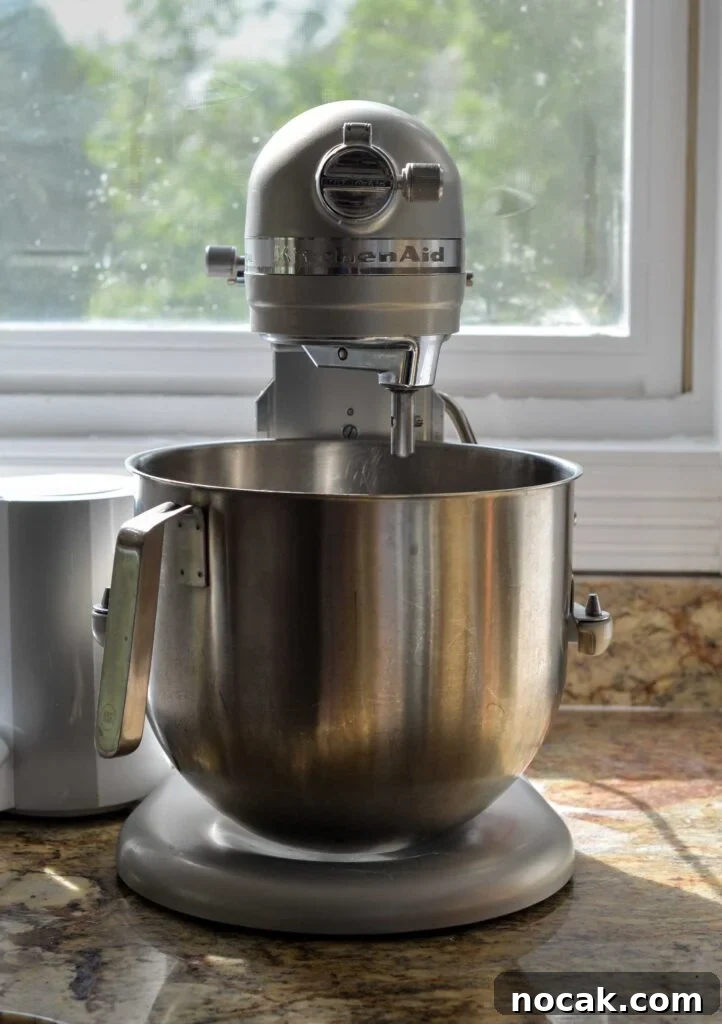
What I like
- Excellent for cookies, batters, and light creamy mixes.
- Wide range of attachments adds versatility beyond baking.
- Attractive countertop presence—easy to leave out and use often.
Considerations
The main concern is bread kneading limits: KitchenAid updated guidelines restrict kneading speeds and durations to avoid motor overheating. That makes it less suitable for frequent, heavy doughs like brioche or long kneads required for some sourdoughs. If you plan occasional bread baking and primarily make lighter mixes, KitchenAid is a great choice.
Summary – Best for:
- Everyday baking: cookies, cakes, muffins, and frostings
- Home cooks who value many attachments and countertop style
Not ideal for: Frequent bread bakers or heavy, enriched doughs that require long kneading.
Bosch Mixer (Around $500)
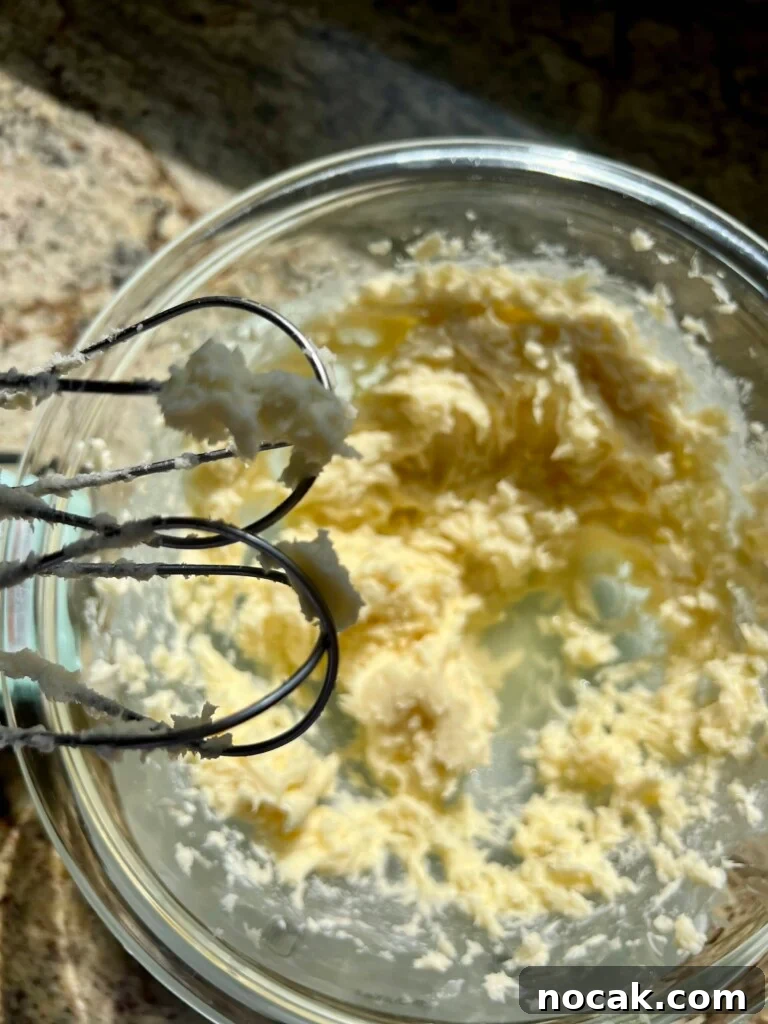
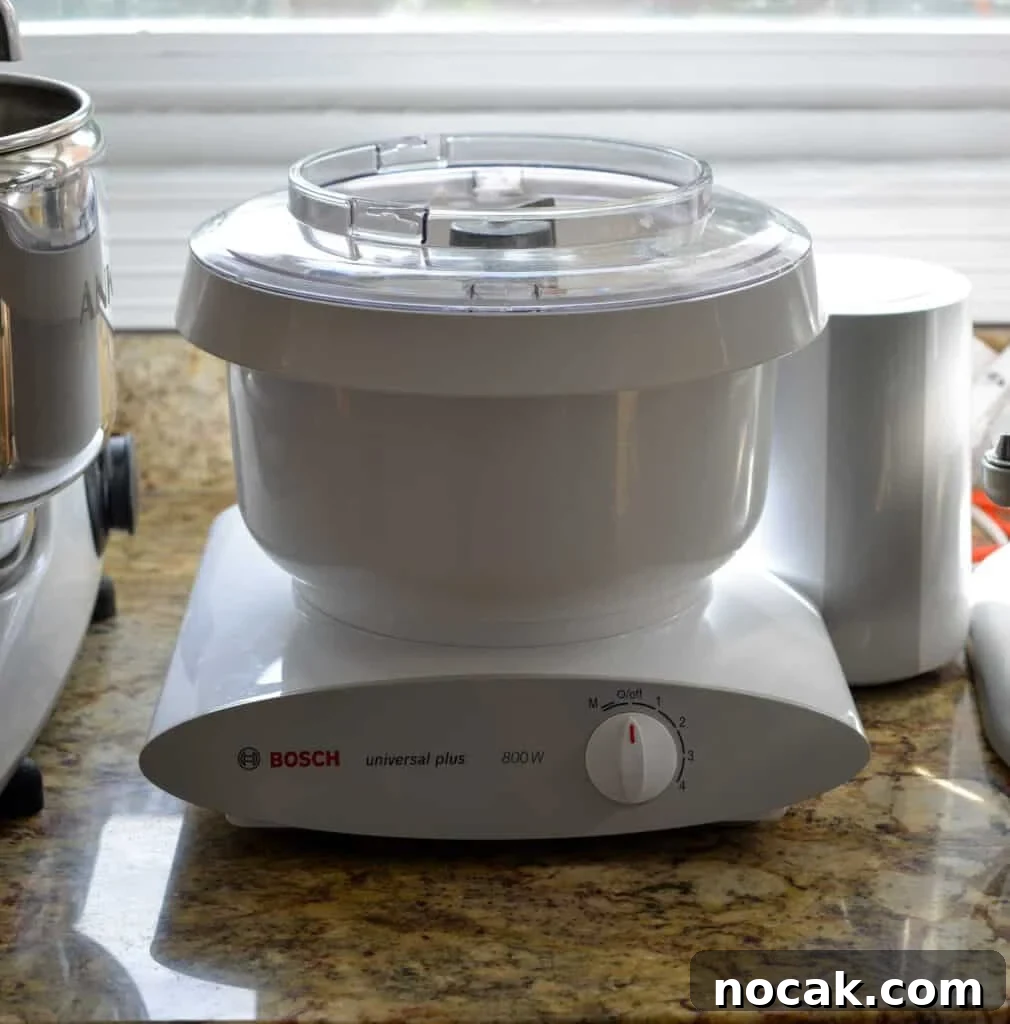
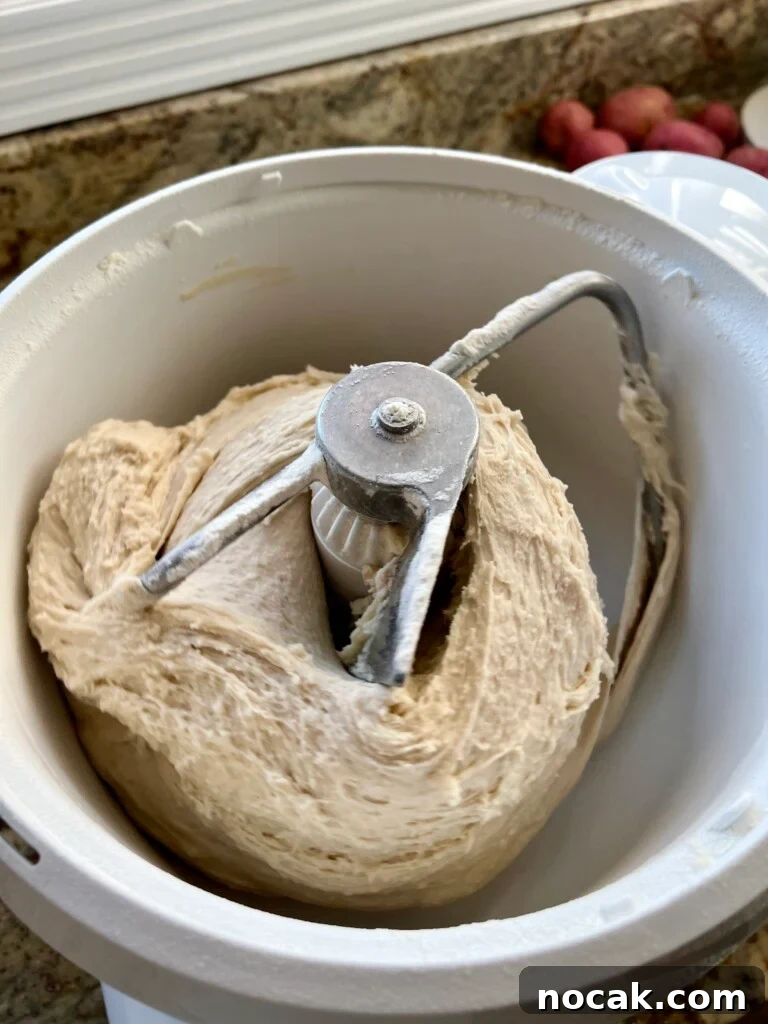
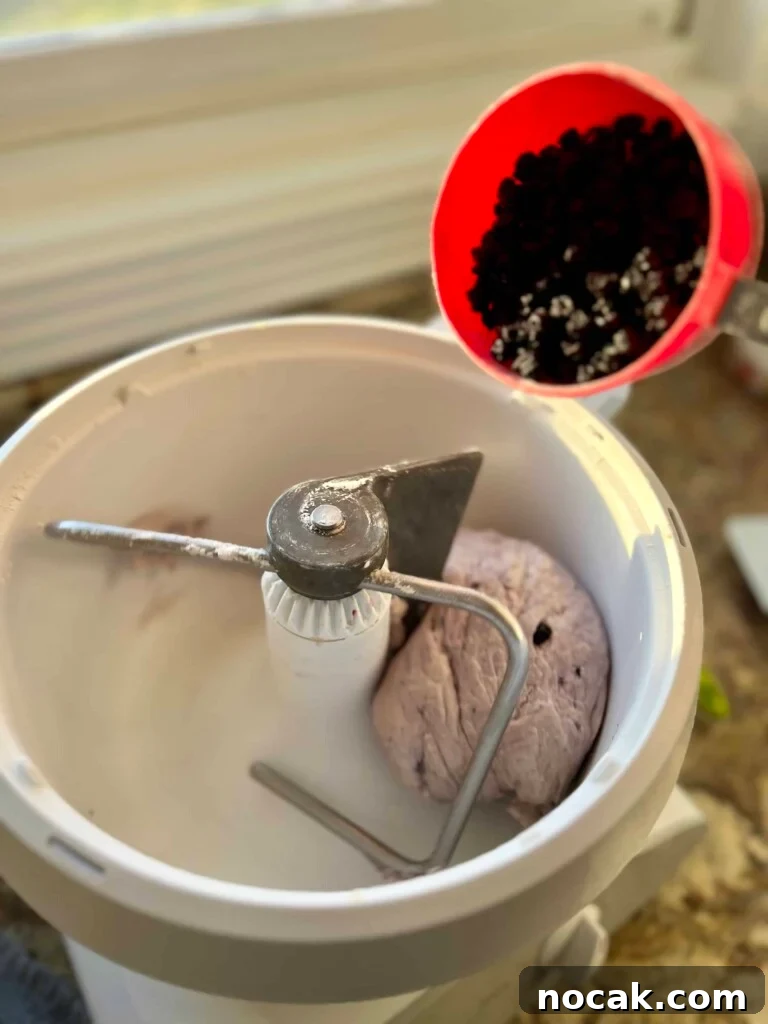
Overview: The Bosch Universal Plus is a powerful, German-engineered machine that many home bakers rely on for bread. Its open-top design and center-column kneading system are optimized for dough, and the 6.5-quart bowl plus strong motor handle heavy mixing without overheating.
My experience: I’ve used a Bosch for over nine years. It’s a true workhorse for bread—durable, reliable, and capable of long mixing times. It’s bulkier than some mixers, so I store it when not in use, but its performance for dough is exceptional.
What I like
- Powerful motor for all types of bread, including lower-hydration doughs.
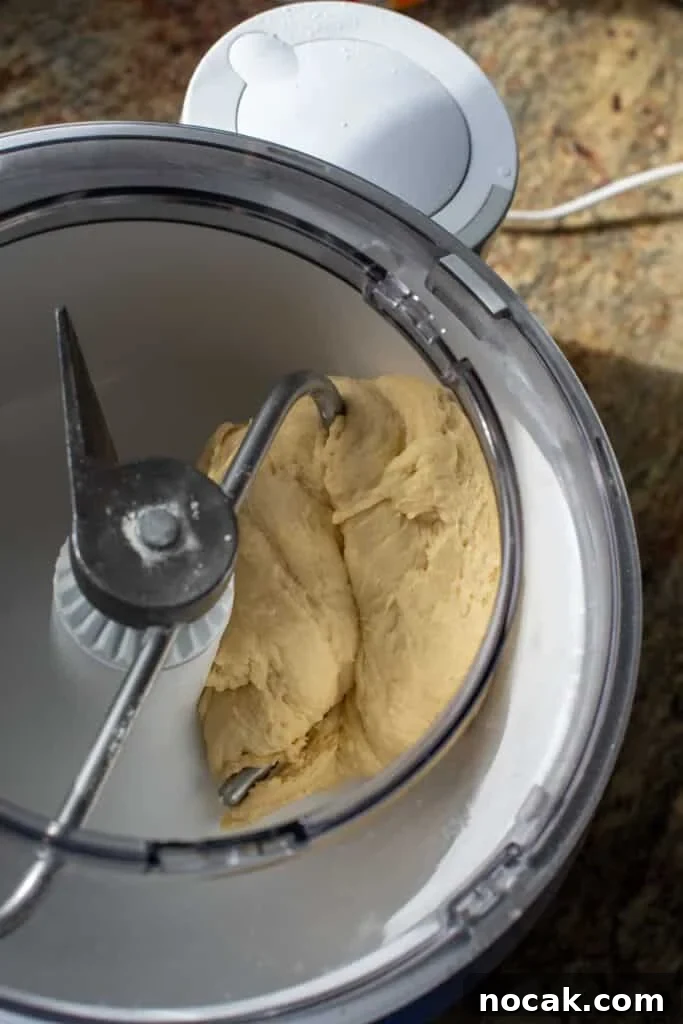
- Efficient gluten development due to its kneading method.
- Easy to clean—the center column lifts out.
- Longevity: mine has run for years with no motor issues.
Considerations
- Size and storage: it’s bulky and takes counter or cabinet space.
- Very wet doughs can occasionally climb the center column in rare cases.
- Optional cookie paddle attachments can strip if used with cold butter; use soft butter or the center paddle instead.
Summary – Best for:
- Frequent bread bakers and those making large batches or enriched doughs
- Bakers who want a durable, long-lasting mixer with strong motor performance
Not ideal for: Very small kitchens or bakers who rarely need heavy kneading power.
Ankarsrum Mixer (Around $800)
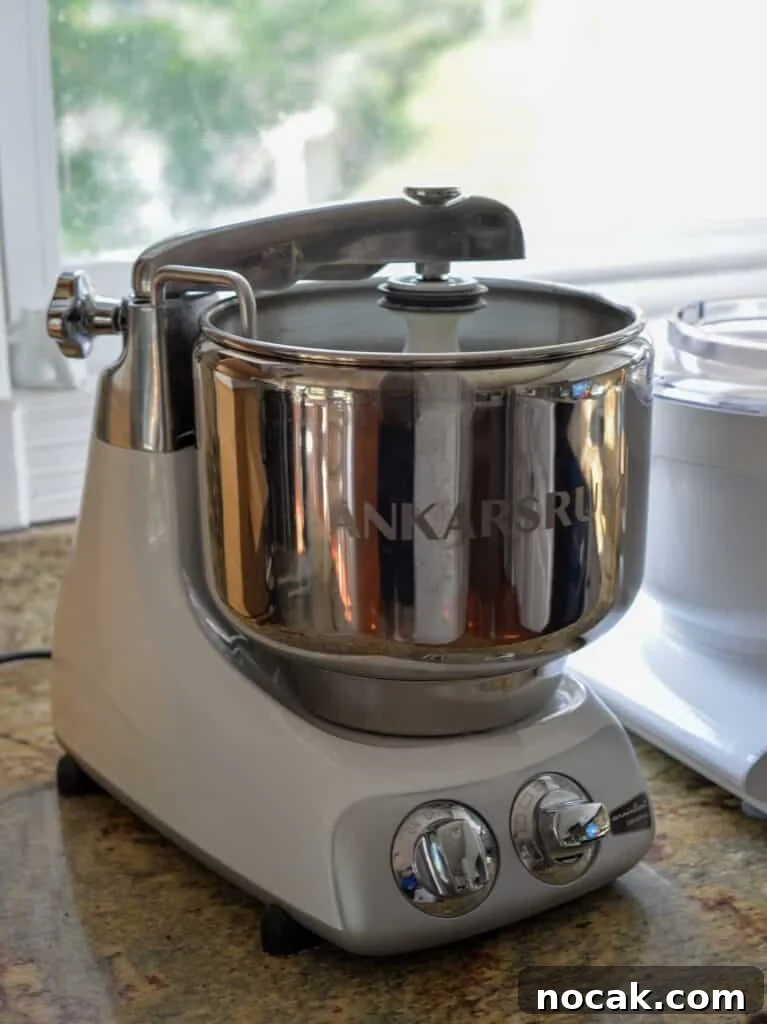
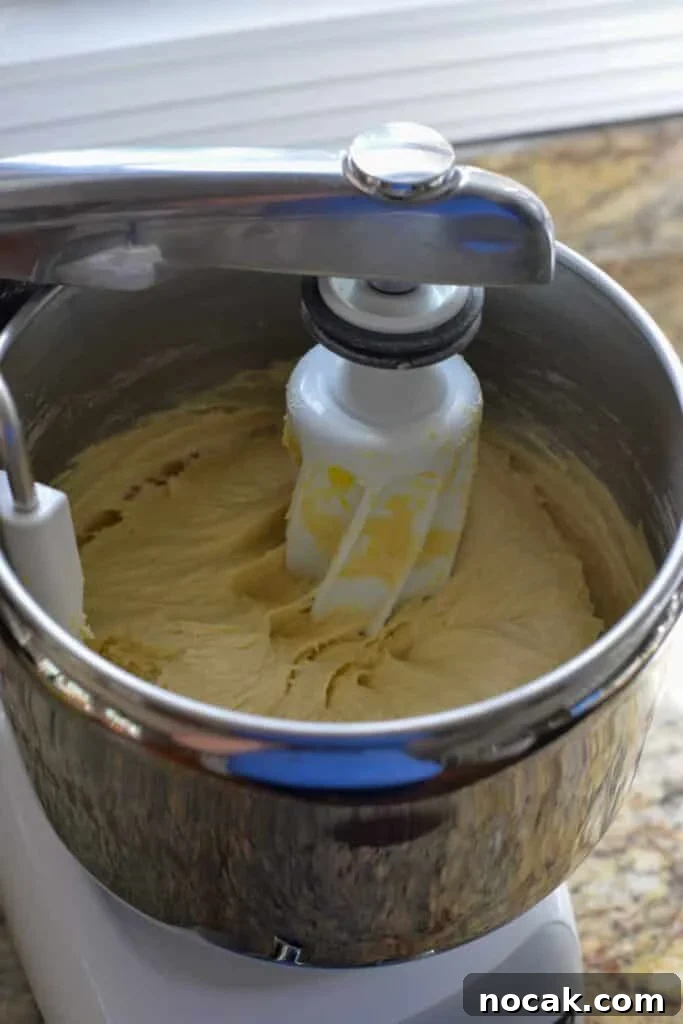
Overview: Ankarsrum is a Swedish-built mixer prized for its build quality and unique mixing method. The bowl rotates while a roller and scraper arm mimic hand kneading, which gently stretches and strengthens gluten—great for sourdough and enriched doughs. It includes a smaller bowl and accessories for lighter tasks.
My experience: I’ve used Ankarsrum for a couple of years. It’s quiet, cleans easily, and excels with wetter doughs. There’s a learning curve—positioning the roller and adjusting during mixing takes practice—but once you learn it, it’s very satisfying to use.
What I like
- Unique, hand-like kneading that’s excellent for high-hydration and enriched doughs.
- Quiet operation, built-in timer, and dishwasher-safe parts.
- Compact-looking for its capacity and attractive counter presence.
Considerations
- Learning curve: it takes time to master rolling and scraping adjustments.
- Slower on very low-hydration doughs compared with the Bosch.
- Price: it’s one of the more expensive home mixers.
Summary – Best for:
- Sourdough and enriched, high-hydration doughs
- Bakers who enjoy a hands-on mixing process and want quiet, durable performance
Not ideal for: Those who prefer a set-it-and-forget-it mixer or who need a lower-cost option.
Ooni Halo Pro Mixer (Around $800)
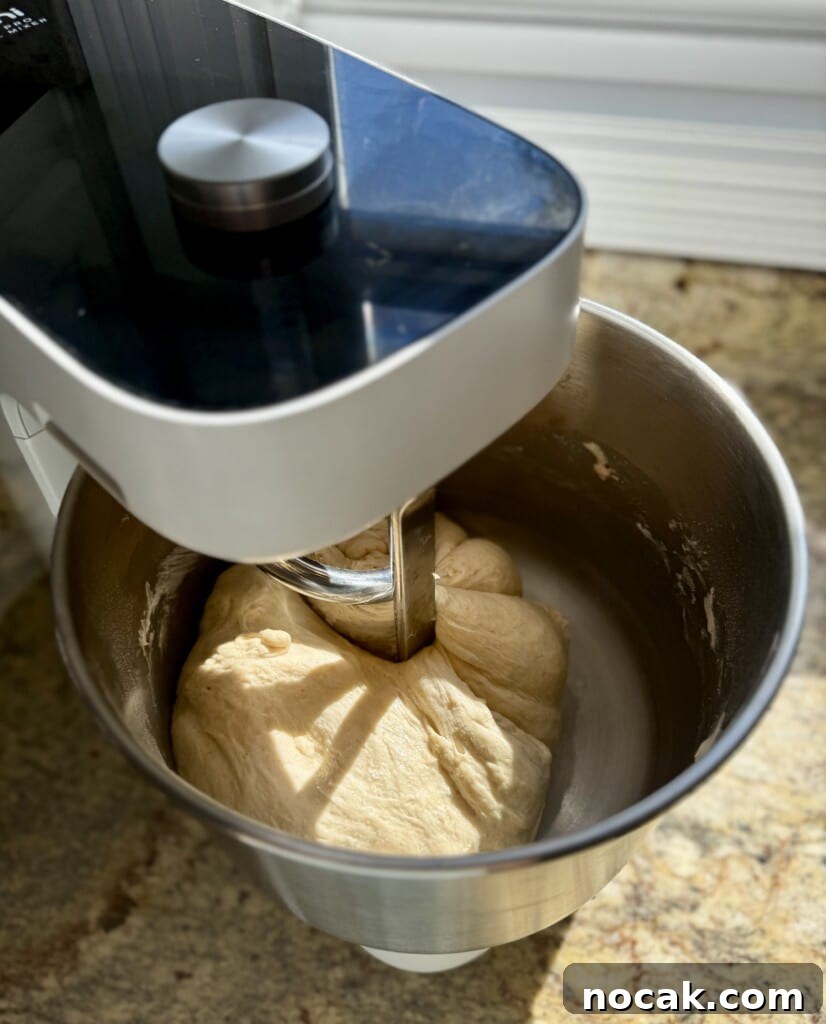
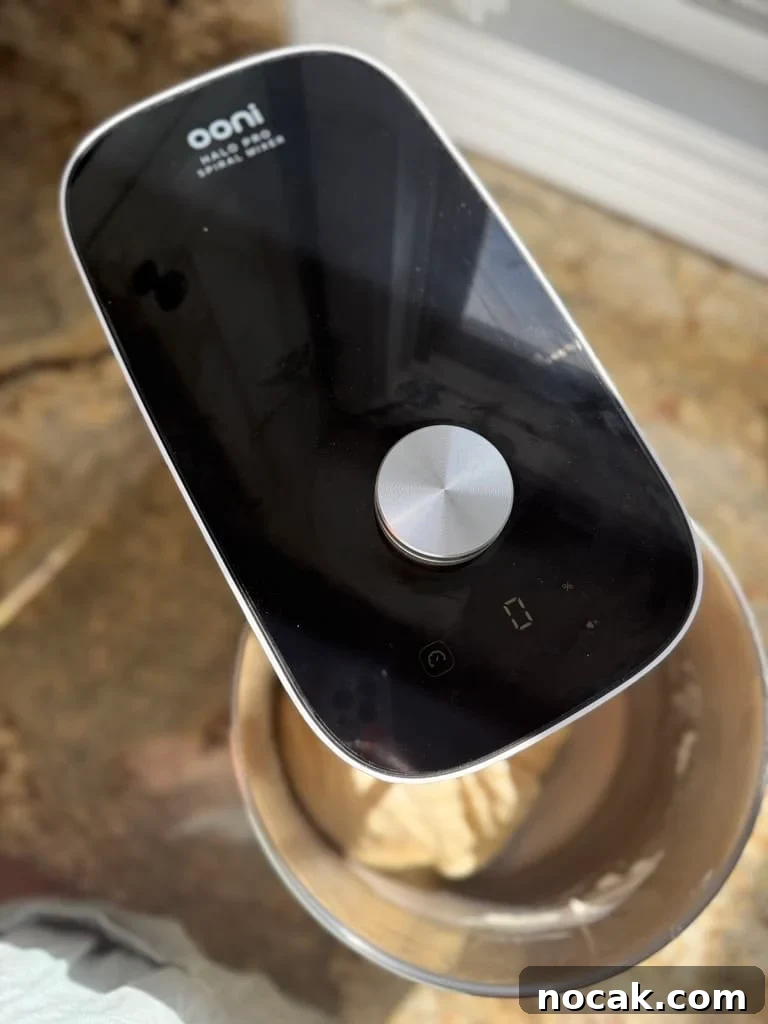
Overview: The Ooni Halo Pro, released in 2025, brings spiral mixing technology—common in commercial machines—to the home. Its spiral hook, rotating bowl, and breaker bar develop gluten efficiently while preventing dough climb. With a 7.3-quart bowl, many speed settings, built-in lighting, and a 650-watt motor with temperature management, it’s designed specifically with bread bakers in mind.
My experience: Although I haven’t had it long, the Ooni Halo Pro impresses with smooth, consistent dough development for both high- and low-hydration doughs. It’s heavy and feels tech-forward, but mixing performance has been excellent so far.
What I like
- Engineered for dough: fast, even gluten development for a wide range of breads.
- Built-in lighting, precise controls, and a timer make mixing convenient.
- Sleek, compact design and easy-to-clean parts.
Considerations
- Cost: one of the pricier options, comparable to Ankarsrum.
- New product: long-term durability is still being established, though it ships with a five-year warranty.
- Weight: it’s heavy and best placed in a permanent counter spot.
- Not ideal for frequent whipped cream tasks—consider keeping a hand mixer for light jobs.
Summary – Best for:
- Bread bakers who want professional-level dough development at home
- Those who value precision controls, built-in lighting, and a quiet motor
Not ideal for: Bakers who need a lightweight or budget-friendly machine or those who rely on a mixer primarily for whipped cream and light batters.
Final Thoughts and Recommendation
All four mixers are excellent in their own ways. The KitchenAid is versatile and beautiful for everyday baking; the Bosch is a rugged workhorse for frequent bread baking; the Ankarsrum offers a quiet, hand-like knead that’s superb for high-hydration doughs; and the Ooni Halo Pro brings spiral, professional-style mixing to home bakers with precise controls and thoughtful features.
My recommendation:
If you bake bread occasionally, choose the KitchenAid.
If you bake multiple loaves weekly, choose the Bosch.
If you want a quiet, high-quality all-around mixer and don’t mind a learning curve, choose the Ankarsrum.
If you want the newest, most precise machine focused on professional dough performance, the Ooni Halo Pro is a strong choice.
Frequently Asked Stand Mixer Questions
No. Most doughs can be kneaded by hand; expect to spend more time and use stretch-and-fold techniques for gluten development.
All four can work for sourdough, but Bosch, Ankarsrum, and Ooni excel with frequent or high-hydration sourdoughs. KitchenAid is fine for occasional sourdough and lighter enriched doughs.
Yes—I’ve used other brands like Kenwood and the Nutrimill Artiste. Those are solid for smaller batches or lighter tasks, but my main recommendations above are based on extensive home-baking experience.
Have more questions? Ask in the comments and I’ll help you decide which mixer fits your needs.