As interest in growing chillies continues to rise, so does the range of available varieties. A fun and rewarding way to experiment is to save seeds from your own plants, swap with fellow growers, or try controlled cross-pollination to develop new varieties. Saving seed lets you preserve favourite plants, reduce future costs, and explore the genetics of your crops.
Below we explain how to save chilli seeds properly, discuss cross-pollination and hybrids, and offer practical tips for selecting, drying, and storing seeds so they remain viable for planting in future seasons.
Cross Pollination
If you want to save “true” seed—seed that will reliably produce plants like the parent—growing each variety in isolation is ideal. If multiple varieties flower close together, insects or wind can transfer pollen from one variety to another. That pollen can create hybrid seed that is a genetic mix of two different plants.
Hybridizing chillies is unpredictable. Crosses within the same species (for example, within Capsicum annuum) often yield vigorous plants that produce reliable fruit. Crosses between different species, however, are much less predictable. Cross-species hybrids can range from exceptionally hot, vigorous offspring to plants that are low-yielding, malformed, or lacking heat. Because of this uncertainty, don’t rely solely on newly created hybrids for next year’s crop—keep some true seed as a backup.
Avoiding Cross Pollination
Although encouraging pollinators supports fruit set, chilli plants are capable of self-pollination: each flower contains both male and female reproductive parts. This is beneficial when you want to isolate plants and preserve true seed.
If you cannot physically separate different varieties, you can prevent cross-pollination by excluding insects. Fine mesh netting over the whole plant or individual flower bags over unopened flowers will stop pollinators from transferring pollen between varieties.
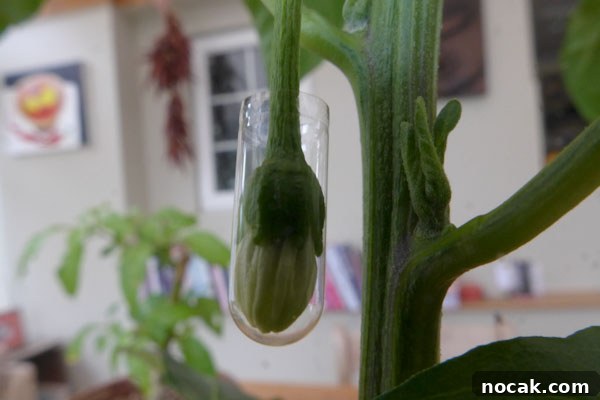
An effective technique is to cover unopened flower buds with small, inert capsules or bags to isolate the flower until it self-pollinates. Once the pod begins to form inside the covering, it will push through and the capsule can be removed. This protects the flower during the vulnerable pollination window and helps ensure the resulting seeds are true to the parent plant.
Note that Capsicum pubescens (Rocoto) does not cross-pollinate with other Capsicum species, so these varieties are naturally isolated when grown alongside other species and are excellent candidates for saving true seed.
Plant and Pod Selection
Select seeds from the healthiest plants and the best-looking pods. If possible, choose plants that were isolated from other varieties and avoid F1 hybrid plants. F1s are first-generation hybrids often bred for vigour and uniformity, but their second-generation offspring (F2) are unpredictable and may have poor shape, low yield, or reduced heat.
Research and practical experience show that seeds taken from fully ripe pods give the best germination rates. While seed can be collected from under- or over-ripe pods, saving seed from perfectly ripe pods increases viability and overall quality.
When selecting pods, prefer fruit that is mature, healthy, and free from disease or deformities. Picking from vigorous, productive plants improves your chances of maintaining desirable traits in future generations.
Harvesting Chilli Seed
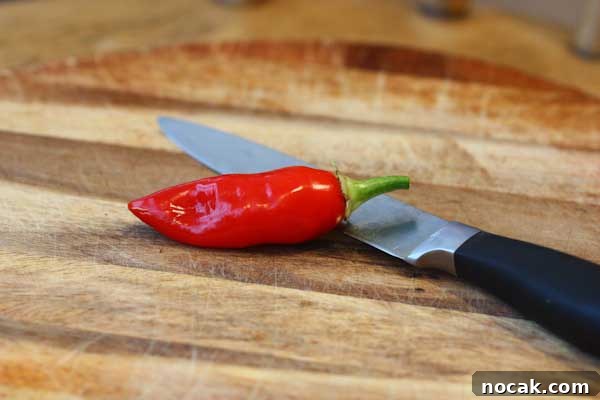
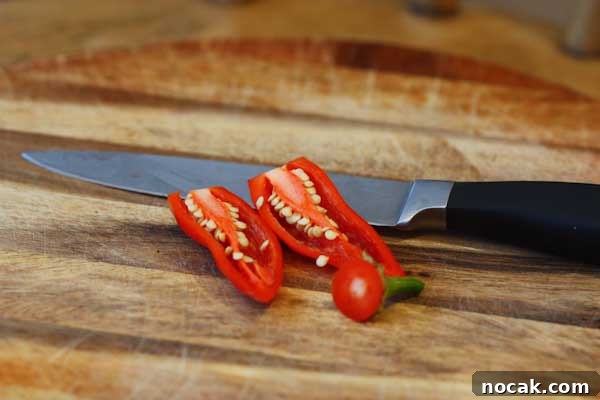
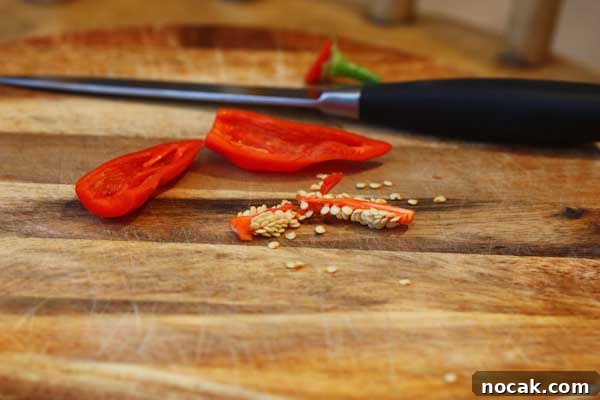
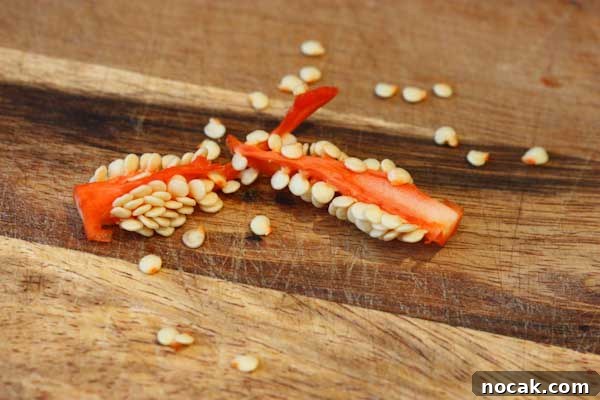
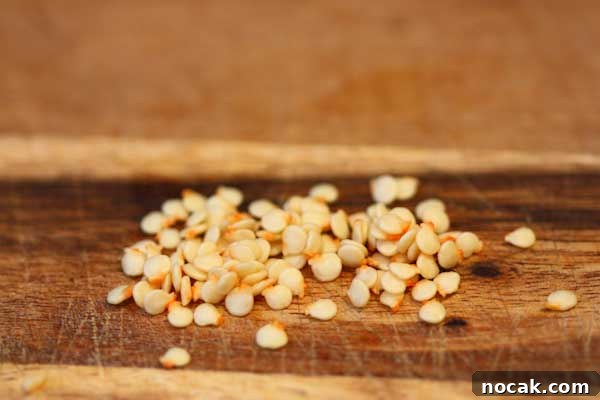
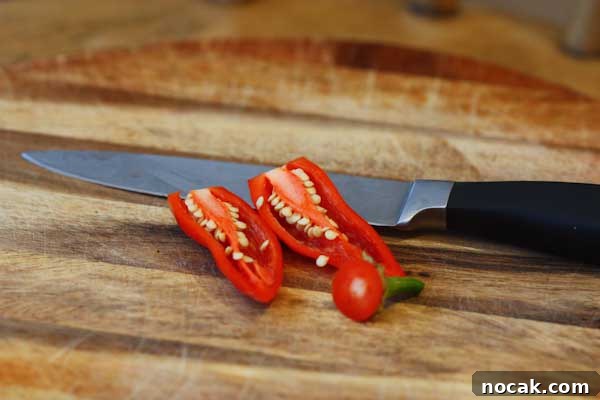
To harvest, cut chosen pods off the plant with scissors or a sharp knife to avoid damaging stems. Open the pod and separate the seeds from the placenta (the pith that holds the seeds) carefully, avoiding damage to the seeds.
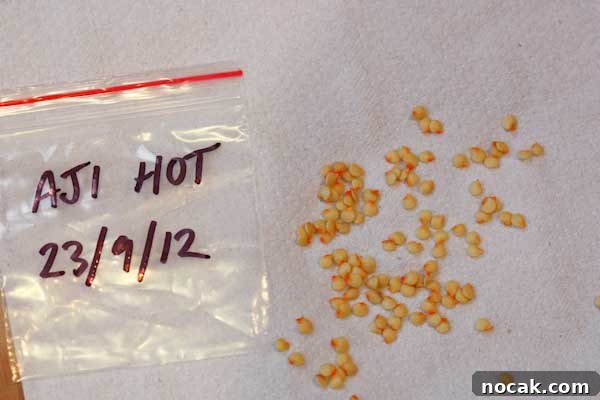
Spread seeds onto a piece of kitchen paper and inspect them closely. Discard any seeds that are misshapen, discolored, soft, or otherwise abnormal. Keeping only the healthiest, plump seeds will improve germination rates.
Drying
Pat seeds gently with a second piece of kitchen paper to remove surface moisture. Then dry seeds in a warm, well-ventilated spot for about two weeks—an airing cupboard works well. Turn the seeds every couple of days so they dry evenly and to prevent any localized dampness.
Drying time varies by environment; your goal is brittle, dry seeds that snap rather than bend when squeezed. A warm airing cupboard for two weeks is typically sufficient; as an alternative, a very low oven for a few hours can speed the process if monitored closely.
Storage
Store seeds in cool, dark, and dry conditions to maximize longevity. A low temperature slows seed metabolism and helps maintain viability—fridge temperatures (around 4 °C / 40 °F) are suitable. Keep seeds moisture-free in truly airtight containers; a sealed plastic bag inside an airtight container is a reliable method. Label each packet with variety and harvest date.
Properly harvested and stored chilli seeds remain viable for several years, though germination rates decline over time. Many gardeners find seeds stored well will remain useful for one to five years or longer. To be safe, save fresh seed from each variety every season and keep a reserve of true seed as a backup. Excess seed can be exchanged with fellow growers to diversify your collection without introducing uncertainty into your own seed stock.
Following these steps—isolating varieties where possible, selecting healthy pods, drying thoroughly, and storing seeds cool and dry—will give you the best chance of producing vigorous, true-to-type chilli plants year after year.