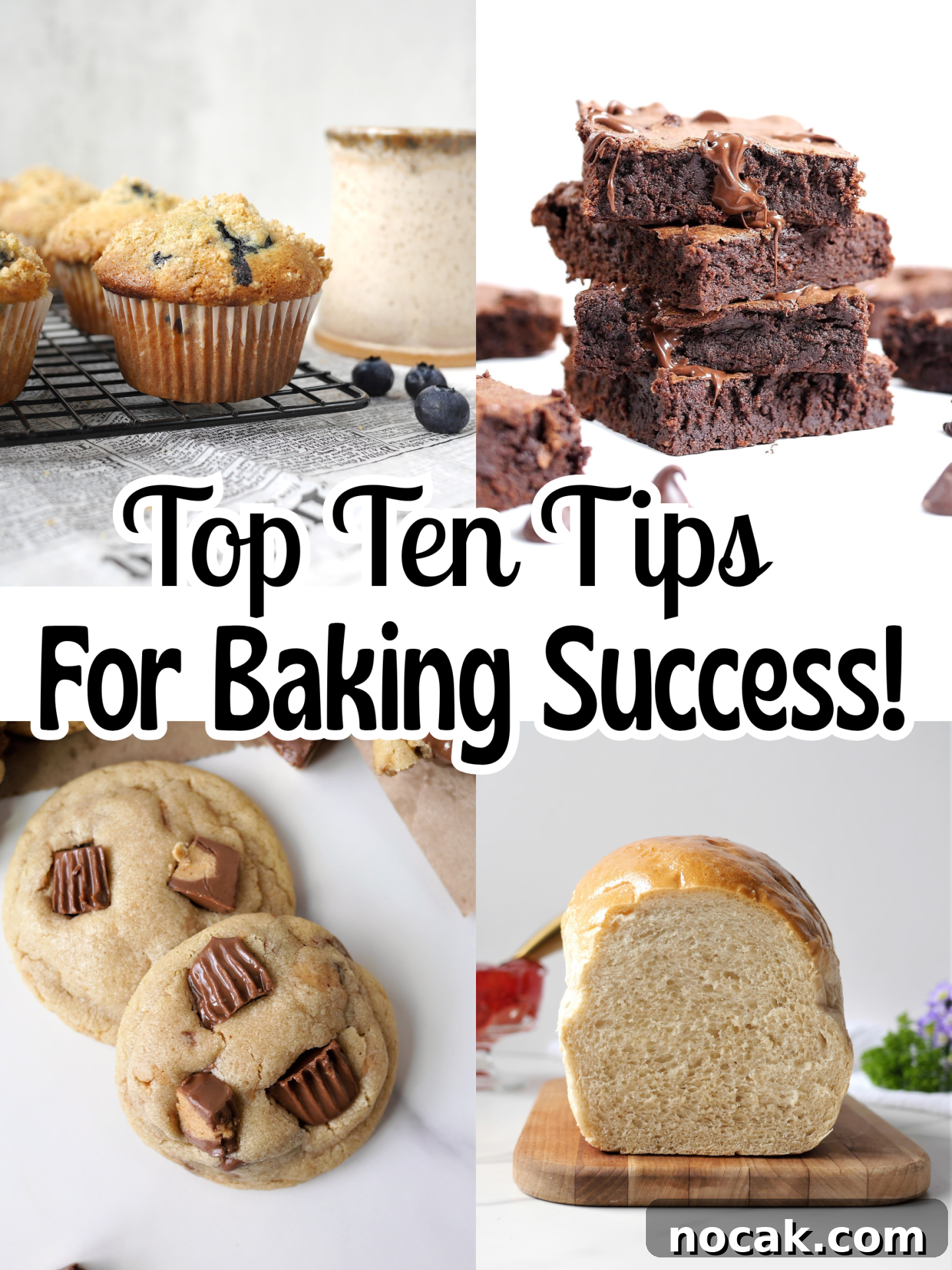
Since I began this recipe blogging journey, I’ve picked up many practical tips that have improved my baked goods. I still make mistakes—some days nothing seems to go right—but I want to share my top baking tips with you, especially with the holiday baking season approaching. I hope these suggestions help you enjoy many successful baking days ahead.
As an Amazon Associate I may earn from qualifying purchases. Follow along for Amish recipes and more, and feel free to leave a rating or comment below.
Tip #1.
Use Fresh Ingredients
Always check that your ingredients are fresh before starting a baking project. Expired baking soda or powder, spoiled eggs, or rancid dairy can ruin a batch. While soured milk can sometimes work in cakes or muffins, avoid it in frostings and puddings. Fresh leavening agents—baking soda, baking powder, and cream of tartar—are essential for proper rise in cakes, muffins, and cookies. Store these in a cool, dry place and replace them if they’re older than six months or past their expiration date.
Tip #2.
Measure Ingredients Accurately
Accurate measurements matter. For dry ingredients, spoon them into the measuring cup and level with a knife unless the recipe specifies a rounded or heaping measure. If you want precision, weigh ingredients with a kitchen scale. Using reliable measuring tools helps—stainless steel measuring cups are less likely to warp or mislead than some plastic sets.
Tip #3.
Use the Right Ingredients
Stick to the ingredients a recipe calls for when possible. Substitutions can work, but they may change texture or flavor and can upset the recipe’s balance. Some swaps—like different chip flavors—are harmless, but others, such as buttermilk substitutes, often fall short of real buttermilk’s results. When in doubt, follow the recipe or test substitutions carefully.
Tip #4.
Learn to Feel the Dough and Batter
Developing a sense for the right texture takes practice. Bread dough should be soft, supple, and well hydrated; stiff dough often yields dry, dense loaves. For pizza dough, I prefer a slightly sticky, well-hydrated texture. Cookie dough varies by style: chewy cookies should roll without sticking or crumbling, while cakey cookies benefit from a fluffier, scoopable batter. Most cakes work best with a pourable batter, though specifics depend on the recipe.
Tip #5.
Butter and Other Fats
Different fats affect flavor and texture. Butter adds flavor and can help trap air when creamed with sugar, producing a lighter texture; oil generally creates a more tender crumb. Follow the recipe’s instruction for butter consistency—room temperature butter traps air, cold butter won’t cream properly, and melted butter won’t trap air at all. Most oils are interchangeable, but when a recipe specifies a particular fat, it’s safest to use it.
Tip #6.
Mixing Technique
Avoid overmixing once wet and dry ingredients are combined—overmixing can make cakes and muffins tough or cause them to sink. For creaming butter and sugar, mix until light and fluffy before adding dry ingredients. I often mix batters and doughs by hand to reduce the risk of overmixing, but a mixer is useful when a recipe calls for thorough creaming or whipping.
Tip #7.
Oven Temperature
Oven temperature is crucial. Too hot and the outside will brown or set before the center cooks; too cool and baked goods won’t rise properly. Use an oven thermometer to verify your oven’s true temperature and adjust settings as needed.
Tip #8.
Testing for Doneness
Use toothpicks for quick checks: cakes should come out clean, fudgy brownies should have a few moist crumbs, and cookies should spring back lightly when tapped. For bread, use an instant-read thermometer—sandwich loaves are done around 190°F and lean crusty loaves closer to 210°F—or check for a golden, set interior in a glass pan.
Tip #9.
Consider Altitude
Altitude affects baking—what works in one region may not work in another. If you’re baking at a significantly different elevation, consult altitude adjustment guidelines to tweak ingredients, oven temperature, or baking time.
Tip #10.
Practice and Experiment
Be willing to practice and tweak recipes. What works in one kitchen may need adjustment in another. New recipes often require several attempts to perfect texture and flavor—don’t be discouraged; persistence pays off.
All that’s left is to put on your apron and bring out the mixing bowls!
Some of my favorite baked goods include Blueberry muffins, fudgy homemade brownies, browned-butter chocolate chip cookies, peanut butter cookies with Reese’s, Mom’s Amish honey bread, and Amish coconut cream pie. Search this site for “baked goods” to find more favorites, or follow along on Pinterest.
Have a great day and happy baking!
Privacy Policy