How to Make Sure Your Recipes are Cooked Perfectly
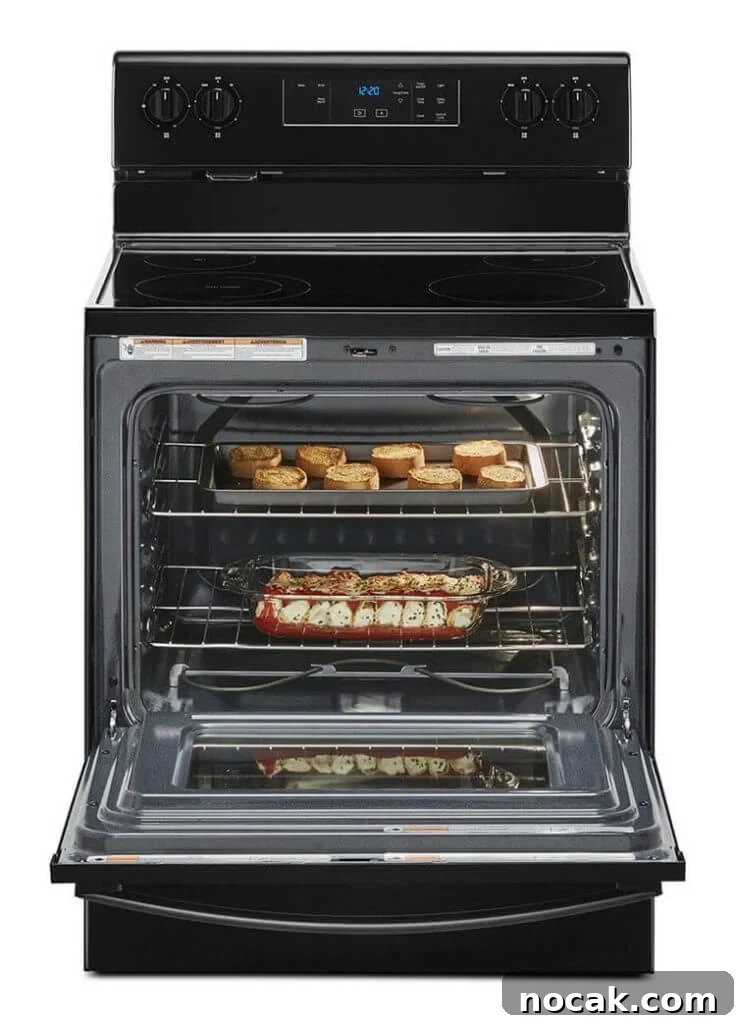
It’s turkey season, and now is a great time to confirm your oven’s temperature accuracy. Many home cooks never check it, but a miscalibrated oven can leave a dish undercooked or dried out. That’s especially important for a holiday turkey and its accompanying sides.
An oven that runs hot or cold changes cooking times and results, but it’s simple to test and adjust so your recipes turn out as intended. Below are straightforward methods to verify and correct your oven temperature.
Get a Thermometer
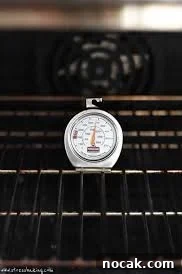
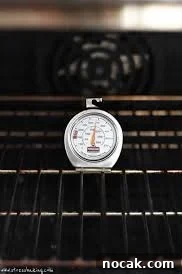
The most reliable step is to use an oven thermometer. Choose a dial or digital oven thermometer designed to hang from a rack so you can read it through the oven window if possible. A clear, easy-to-read thermometer gives you the actual interior temperature, not just what the oven display reports.
If you get one before you cook, you’ll have time to test, calibrate, or adjust cooking temperatures and times before serving. This small tool can prevent a lot of last-minute stress on a big day.
Setting Up Your Oven
Place a rack in the center of the oven and hang or set the thermometer there. Preheat your oven to the target temperature—350°F is a useful test point. For ovens with a preheat indicator, wait until it signals; for analog ovens, allow about twenty minutes for the temperature to stabilize.
With the oven preheated, check the thermometer reading through the door if you can. If you must open the door, do so quickly to avoid losing heat. The thermometer shows the actual temperature inside the oven; compare that to the set temperature and note any difference.

How To Check If You Don’t Have A Thermometer
If you don’t have an oven thermometer available, you can run a simple test using sugar. This method is less precise but gives a quick indication.
Preheat the oven to 375°F. Place a small amount of sugar in an oven-safe dish and put it in the center of the oven. Check after about 15 minutes: if the sugar hasn’t melted at all, your oven is likely running cooler than the set temperature; if it has melted, the oven is at least reaching higher temperatures.
What To Do About It
If your oven is off by a large margin, contact a repair professional—significant discrepancies can indicate a mechanical problem. For small differences (around 10°F or less), you have two practical options.
First, you can calibrate the oven. Many manufacturers provide instructions specific to the make and model, and there are clear guides and videos that walk through the calibration steps. Proper calibration fixes the underlying issue and ensures future accuracy.
Second, if you need a quick fix, adjust the temperature setting to compensate for the difference your thermometer shows. For example, if the oven display reads 350°F but the thermometer shows 340°F, increase the set temperature to 360°F. Conversely, if the display reads 350°F and the thermometer reads 360°F, set the oven to 340°F. This simple adjustment helps your dishes cook at the intended temperature.
Even when using a temporary offset, plan to have the oven professionally calibrated when convenient. Proper calibration makes cook times and temperatures listed in recipes reliable and reduces guesswork on important meals.
Taking a few minutes to check your oven temperature can make a noticeable difference in results, reduce stress, and help ensure your holiday dishes, including the turkey, are cooked perfectly.
Holiday Menu Ideas
To help with planning, here are some tried-and-true holiday recipes worth serving alongside your perfectly cooked turkey. These recipes include classic and buttery stuffings, creamy mashed potatoes, and vegetable sides that pair well with any main course.
Perfectly Easy Turkey
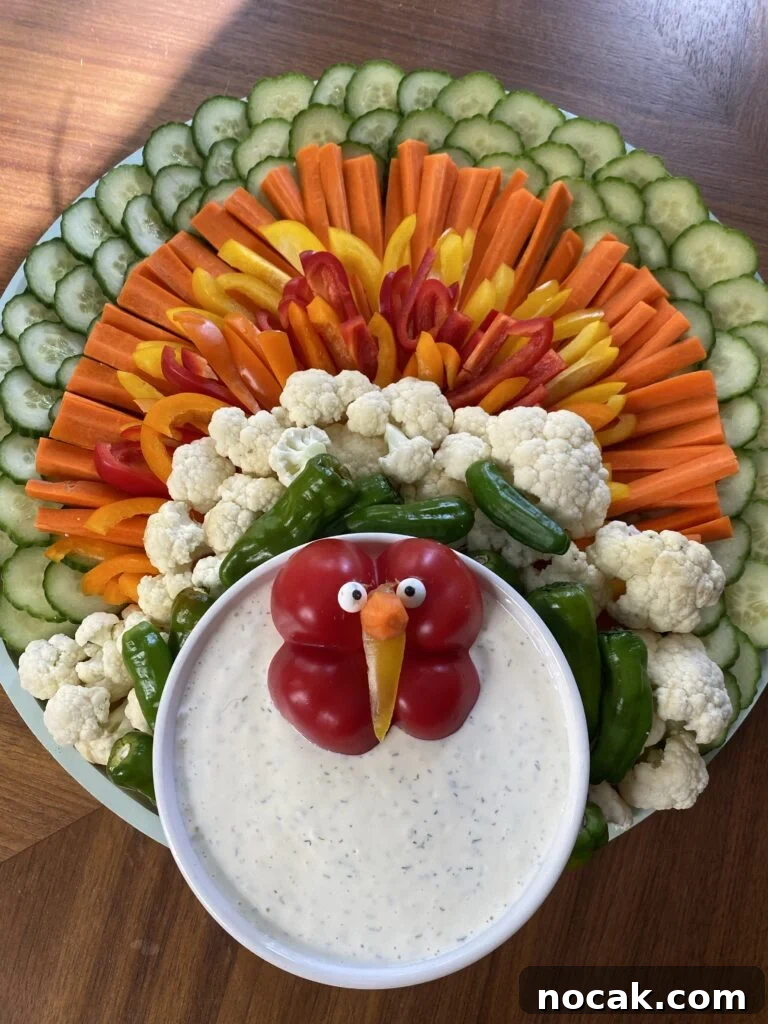
Turkey Vegetable Platter
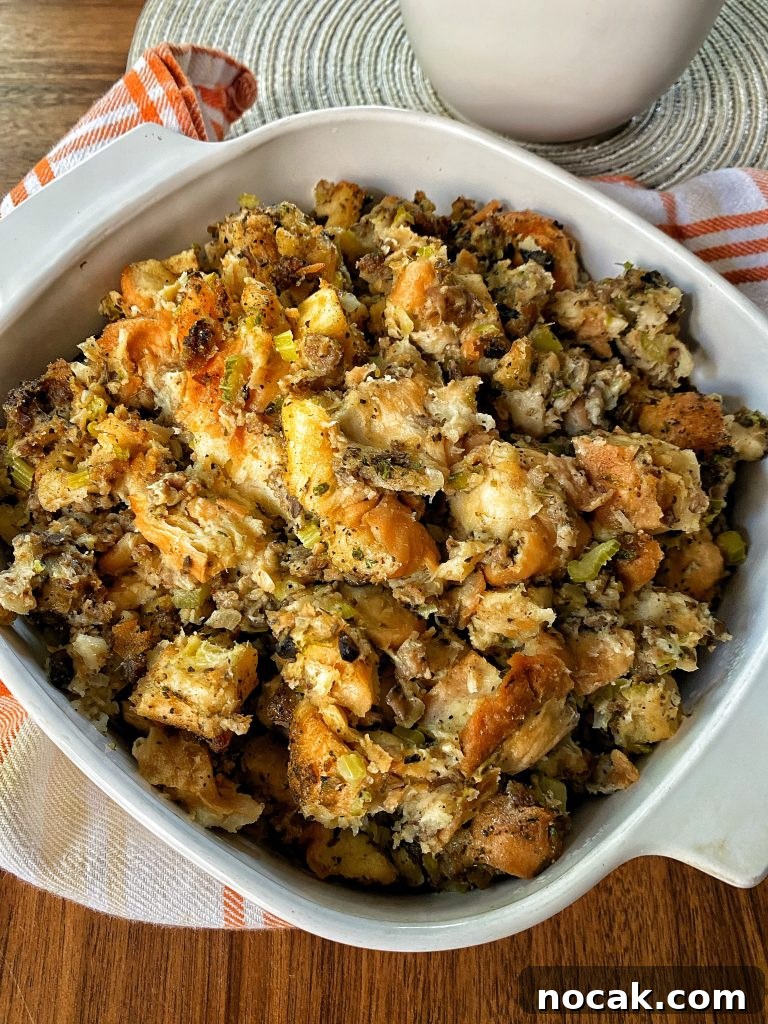
Classic Stuffing
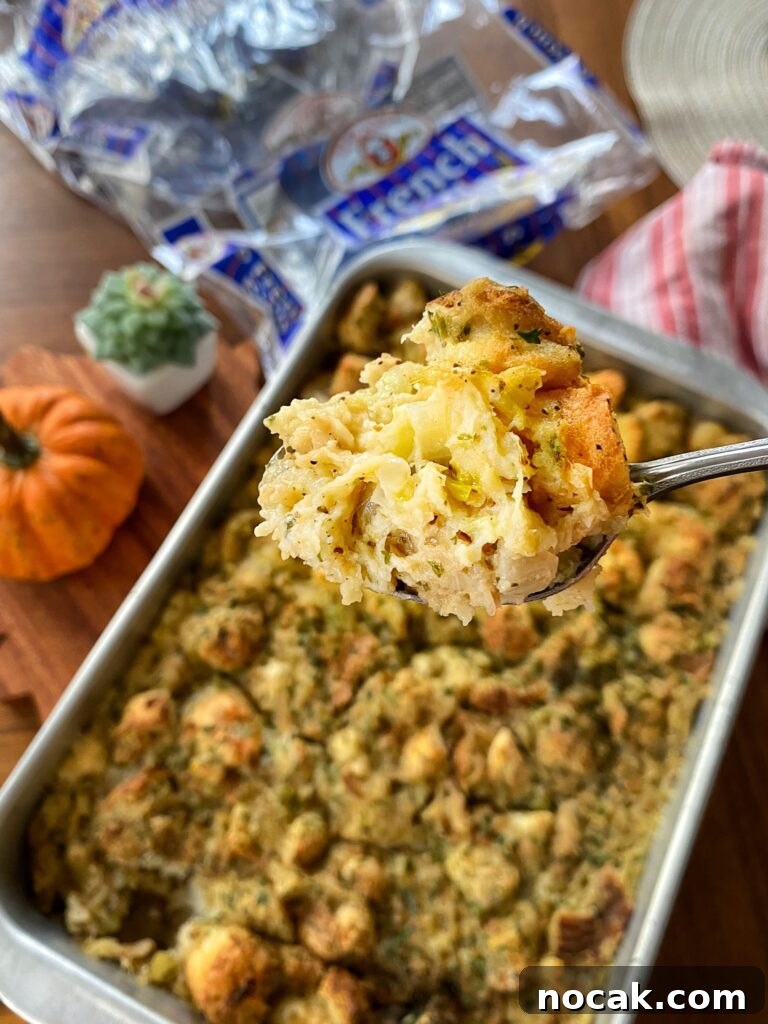
Butter Stuffing (the other best stuffing)
Creamy Mashed Potatoes