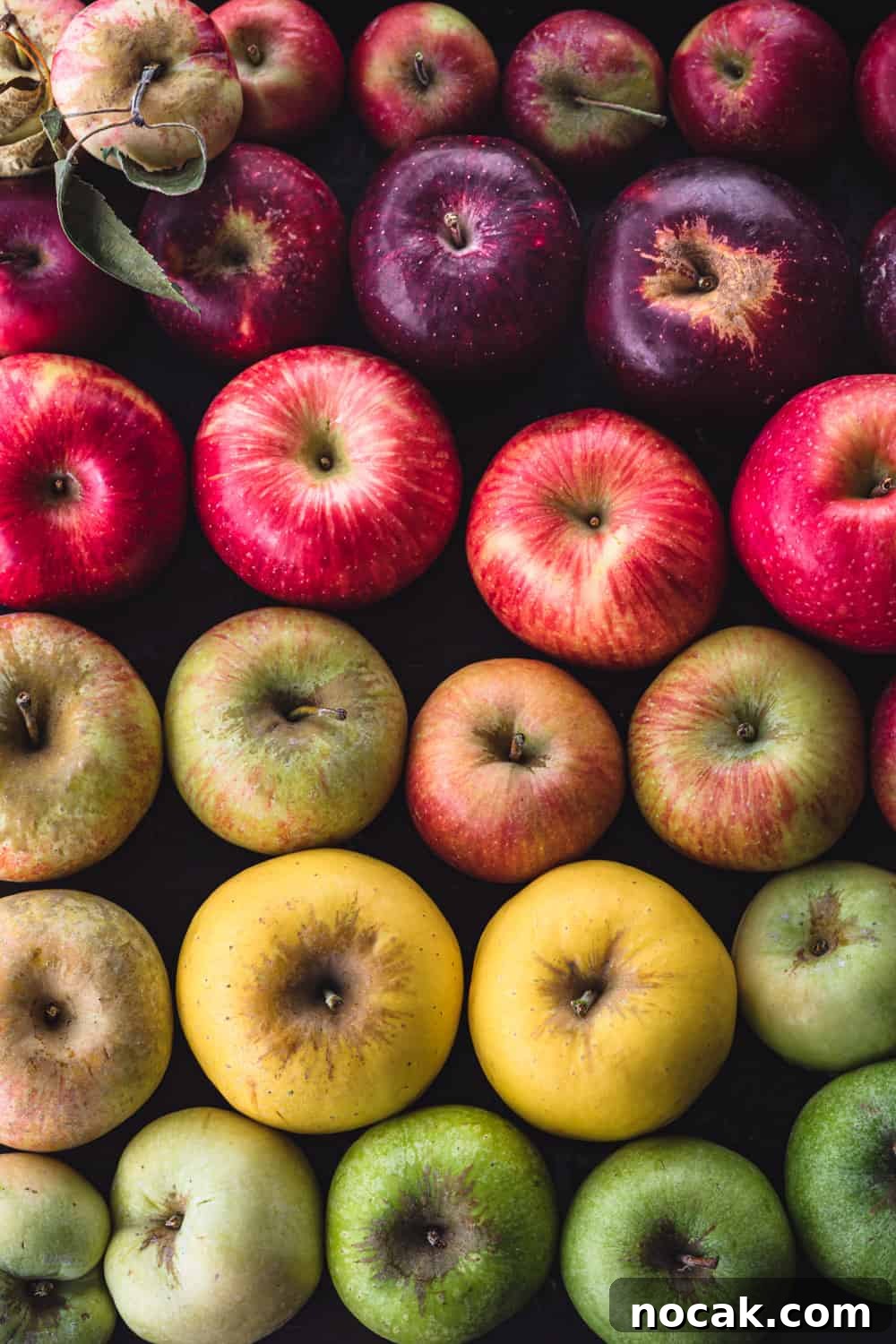
A Celebration of an Iconic Fruit’s History and Diversity
Apples come in nearly every shade of the rainbow. Discover this fruit’s history, its incredible variety, and why preserving apple diversity matters.
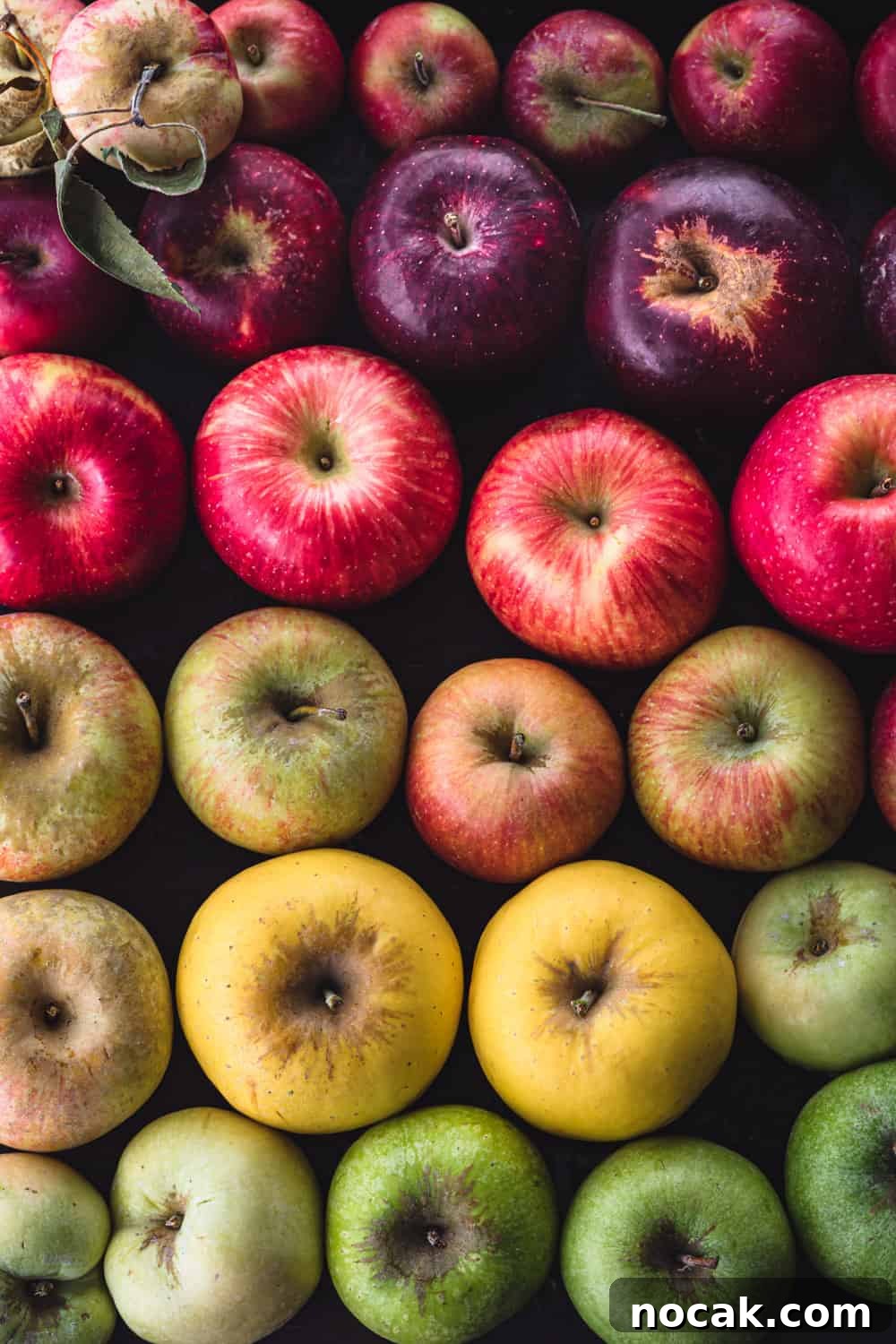
An Apple Tribute
An archetypal fruit: beloved by ancient Greeks and Romans, central to Western culture, and woven into myths and science alike. The apple appears in art, religion, politics, and literature—its image has inspired stories from Eden to Newton, and even lends its name to a major technology company. Across the globe the apple remains an enduring symbol and a practical staple.
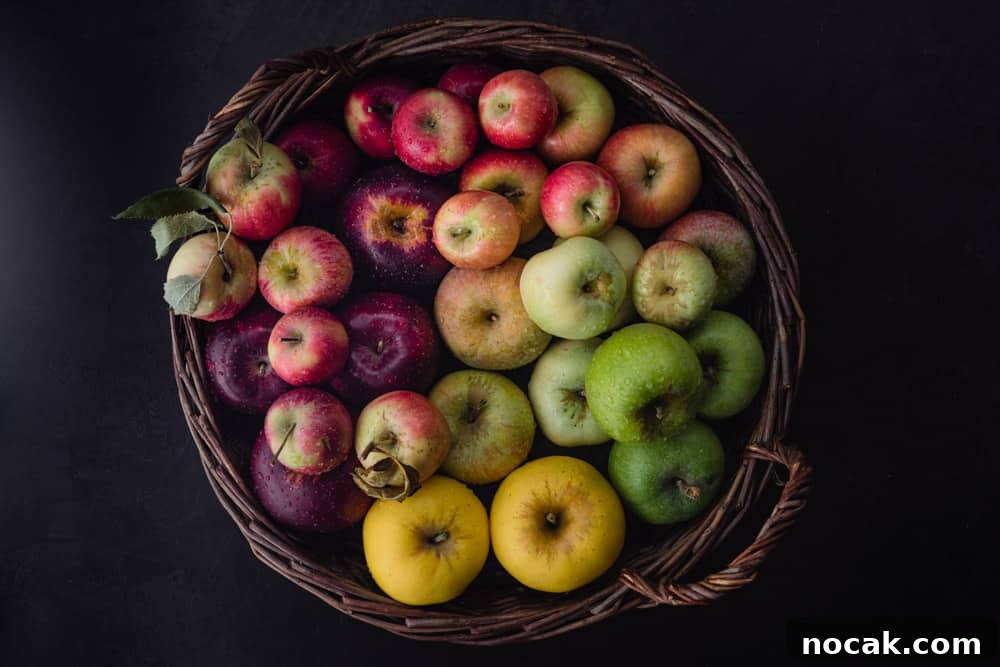
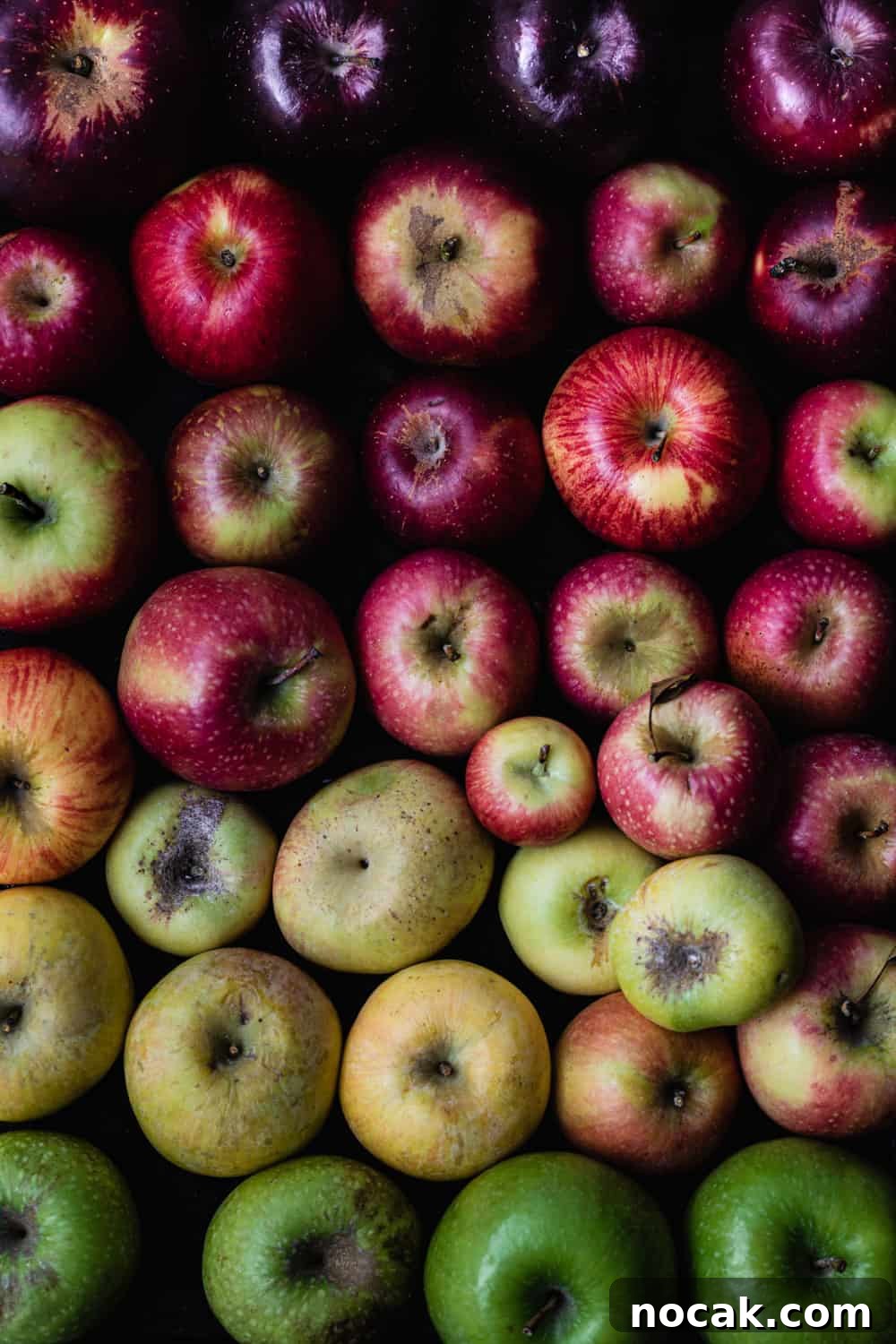
Colors of the apple rainbow: shades of red, pink, yellow, green, and purple.
How Many Types of Apples Are There?
There are thousands of apple varieties worldwide—estimates often cite around 7,500—each with its own shape, texture, aroma, and flavor. About 2,500 varieties are grown in the United States, but only roughly 100 are produced commercially. In practice, 90% of U.S. production is concentrated in about 15 varieties, and supermarkets typically stock just 5–10 familiar kinds.
Where Did All the Colors of the Apple Rainbow Go?
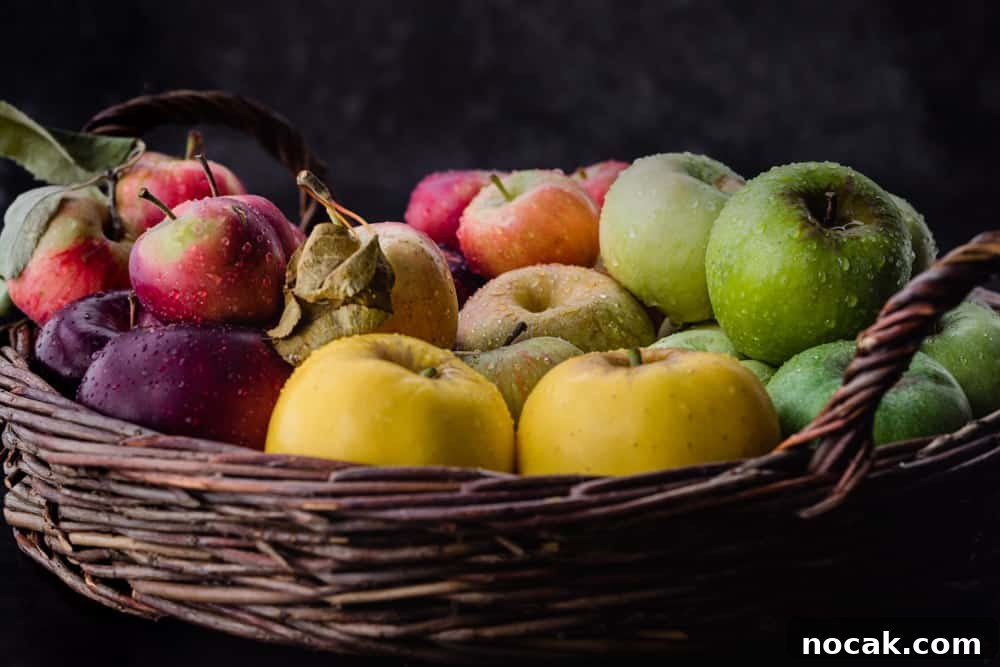
A Brief History of Apple Diversity
Wild apples are native to the region between the Caspian and Black Seas and are thought to descend from Malus sieversii. People have enjoyed apples for hundreds of thousands of years, and over time travelers and traders—especially along the Silk Road—spread apple varieties westward.
European settlers brought apples to North America in the 1600s, primarily for making hard cider. These early varieties were small and tart. Figures like John Chapman, known as Johnny Appleseed, planted orchards across the frontier, helping the tree—and cider culture—spread.
As apples adapted to different climates in North America, thousands of unique varieties developed by the mid-1800s, offering the full spectrum of colors and uses—from baking and drying to fresh eating and livestock feed.
That extraordinary diversity diminished with industrialization. Mechanical refrigeration, modern shipping, and a shift toward commercial orcharding led to a focus on a few marketable varieties. By the early 20th century, the golden age of American apple pomology had largely ended.
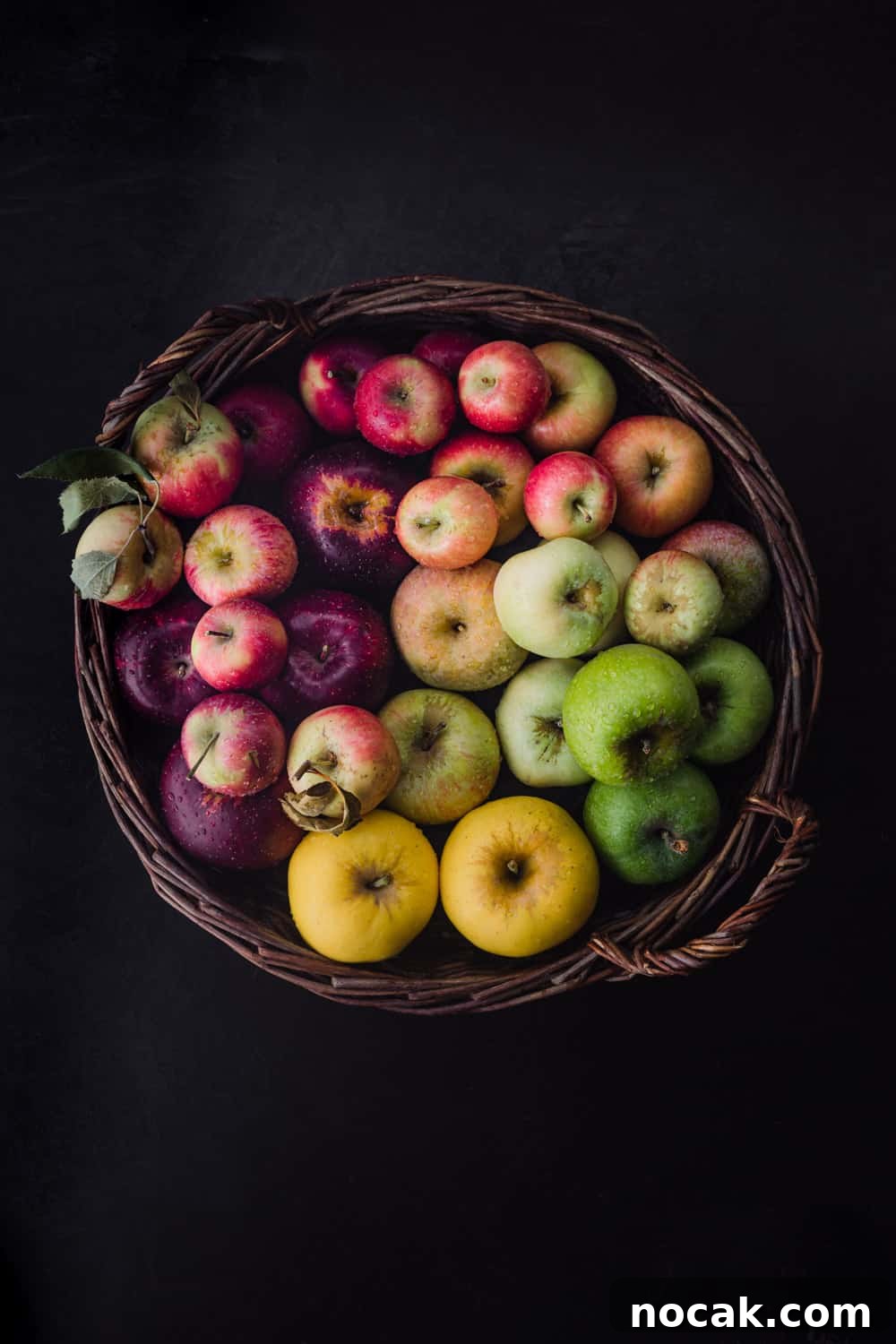
Commercial growers began prioritizing a small number of varieties that shipped well and looked uniform. Varieties such as Red Delicious, Golden Delicious, and Granny Smith rose to prominence in the early 20th century, pushing many flavorful heirlooms out of commercial rotation.
Since commercialization, apple diversity has been dramatically reduced, leaving only a fraction of historical varieties in widespread production.
While many heirloom apples still exist in home orchards and specialty farms, a large portion of traditional varieties have become rare or functionally extinct in commerce.
In 1892 there were roughly 735 varieties widely known; today fewer than 50 dominate mass production—many estimates suggest we’ve lost around 80% of traditional apple varieties from the market.
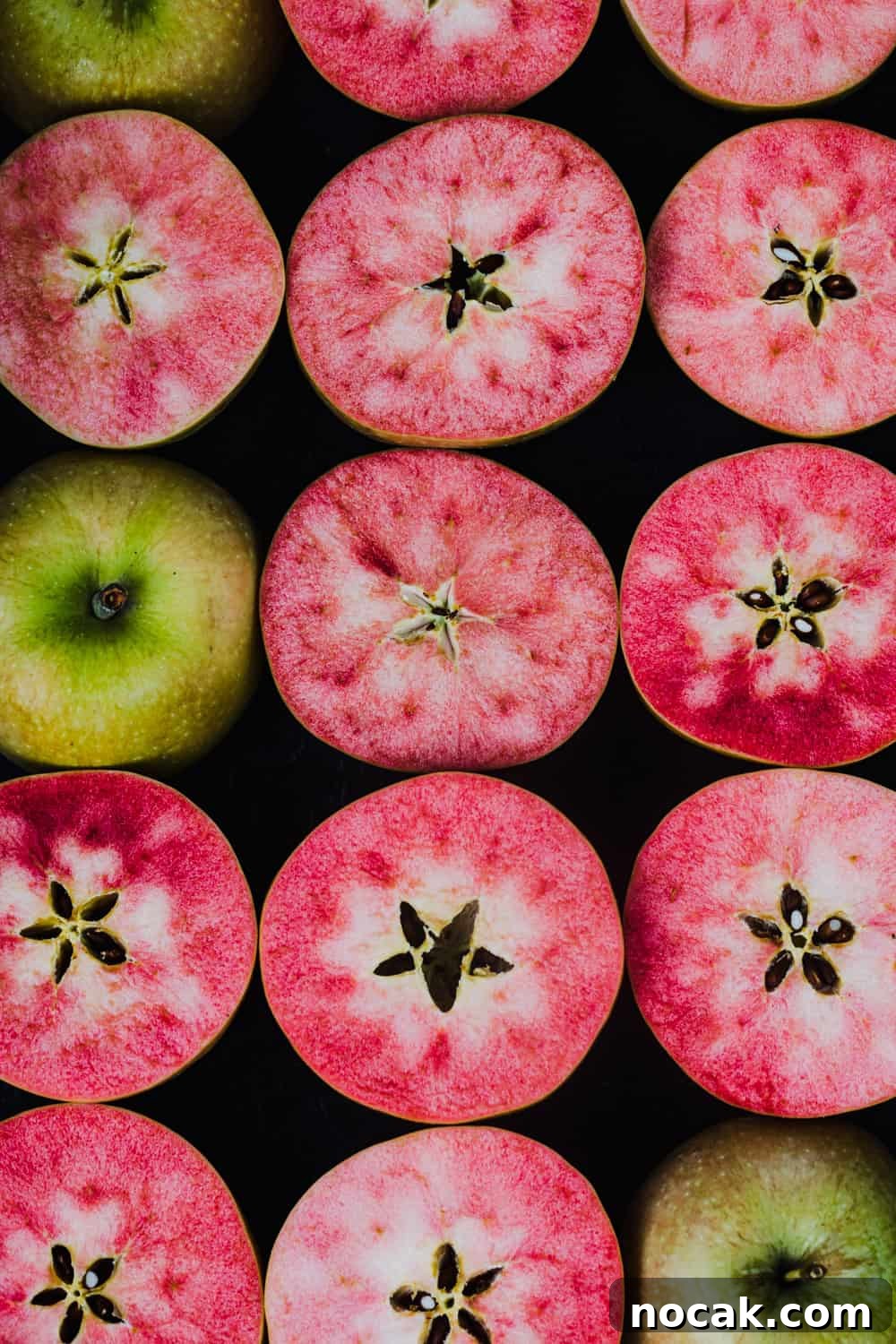
Modern Apples
Modern commercial apple cultivars are bred for disease resistance, longer shelf life, high yields, and the ability to withstand shipping without bruising. As a result, supermarkets display a standardized selection of shiny, uniform apples—often the same 5–10 varieties nationwide.
Older, regional, and heirloom varieties still exist—seek them at farmers markets, local orchards, and specialty growers.
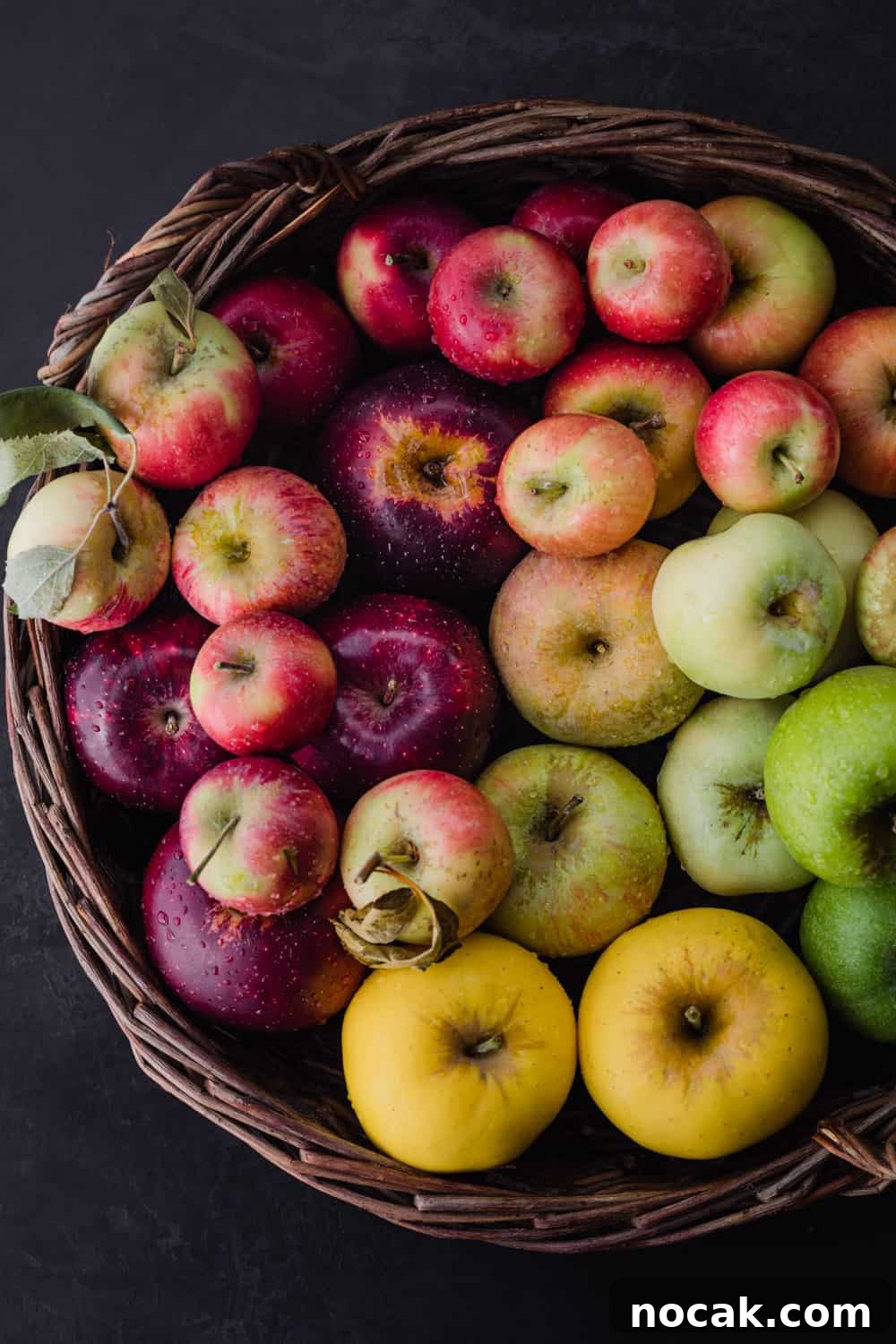
The Importance of Apple Biodiversity
Each apple variety contains a unique set of genes. When a variety falls out of cultivation, that genetic information is effectively lost. Narrow commercial focus creates vast monocultures that are more vulnerable to pests and disease, which in turn encourages greater pesticide use. A single new pest or disease could devastate large areas planted with genetically similar trees.
Genetic diversity increases resilience: some varieties will naturally withstand threats that others cannot.
Every lost variety means a permanent loss of genetic traits that could prove valuable in the future.
Preserving and rediscovering apple varieties helps maintain agricultural resilience and culinary diversity. Support for orchards, seed banks, and heirloom growers keeps that rainbow of apples alive.
Let’s celebrate and preserve as much apple diversity as we can.
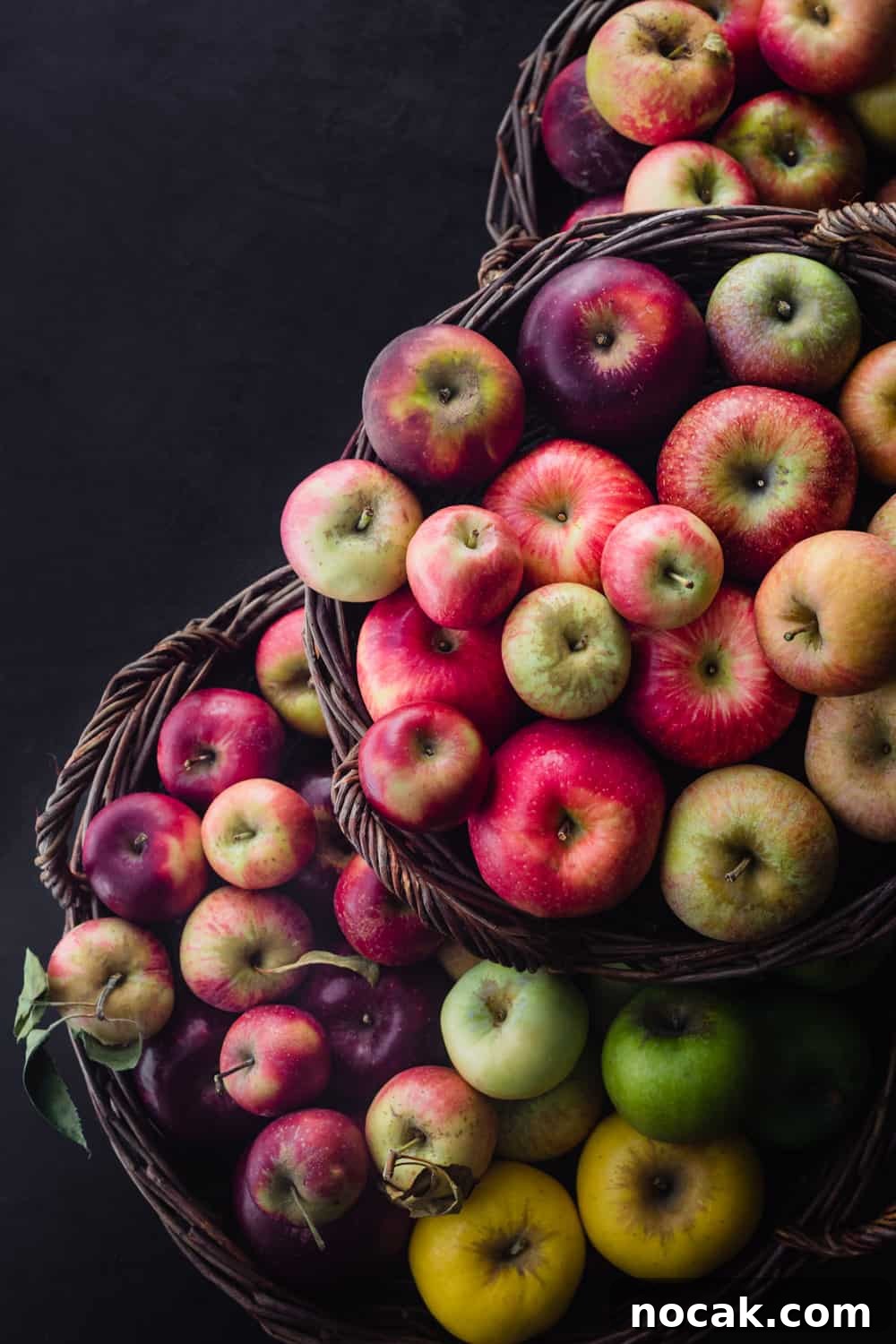
Support your local orchard and farmers market!
Apple Business Today
Apple production remains a major agricultural industry in the United States.
Key facts
- The U.S. is the second-largest apple producer worldwide, after China.
- About 7,500 commercial apple producers in 36 states harvest tens of thousands of tons of fruit annually.
- Roughly one in four U.S.-grown apples is exported.
- The U.S. grows around 200 unique apple varieties, though far fewer dominate commercial markets.
- Top U.S. varieties include Red Delicious, Gala, Granny Smith, Fuji, Golden Delicious, Honeycrisp, McIntosh, Rome, Cripps Pink (Pink Lady), and Empire.
- The U.S. imports apples during late-season gaps to meet year-round demand.
- Apples are the second most consumed fruit in the U.S., after bananas.
- New apple varieties are developed through breeding programs focused on market traits; historically many varieties appeared by chance or local selection.
- Conventionally grown apples are among the crops with higher pesticide use—buy organic when possible if you want to reduce pesticide exposure.
How Do Apples Get Their Different Colors?
Apple color comes from natural pigments. The main pigments are chlorophyll, carotenoids, and anthocyanins.
Chlorophyll gives green apples their color.
Carotenoids are yellow-orange pigments revealed as chlorophyll breaks down when the fruit ripens.
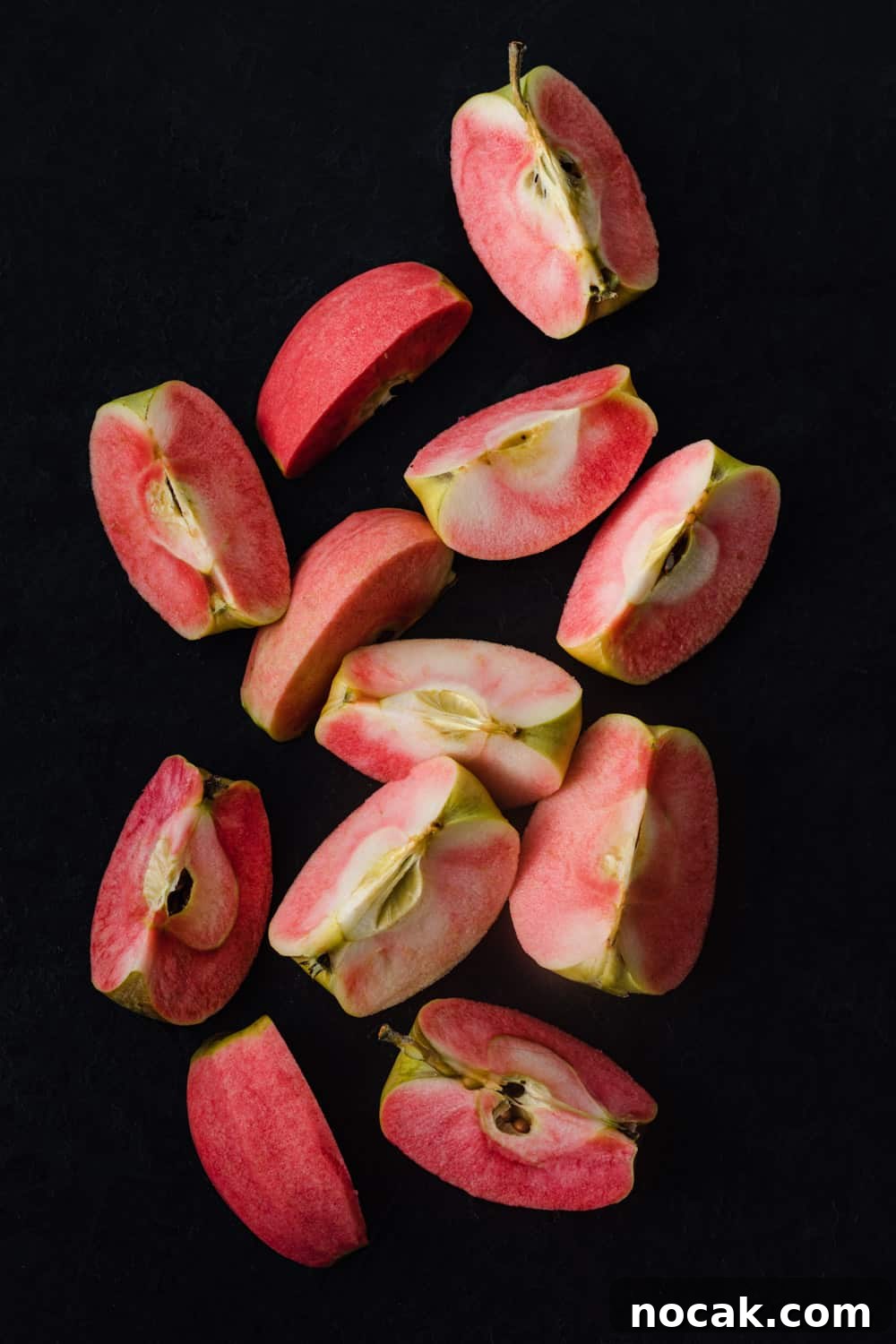
Anthocyanins produce red, pink, and purple hues; some varieties synthesize these pigments as they mature. Even apples of the same variety can vary in color depending on ripeness and growing conditions, including light exposure.
Hopefully this guide inspires you to seek out more apple varieties and enjoy their wide range of colors and flavors.
More Colorful Produce Guides
If rainbow apples caught your eye, explore other colorful produce at local markets and orchards. Seek out heirloom varieties, try new recipes, and support growers who protect biodiversity.
Let’s make waves in the kitchen.