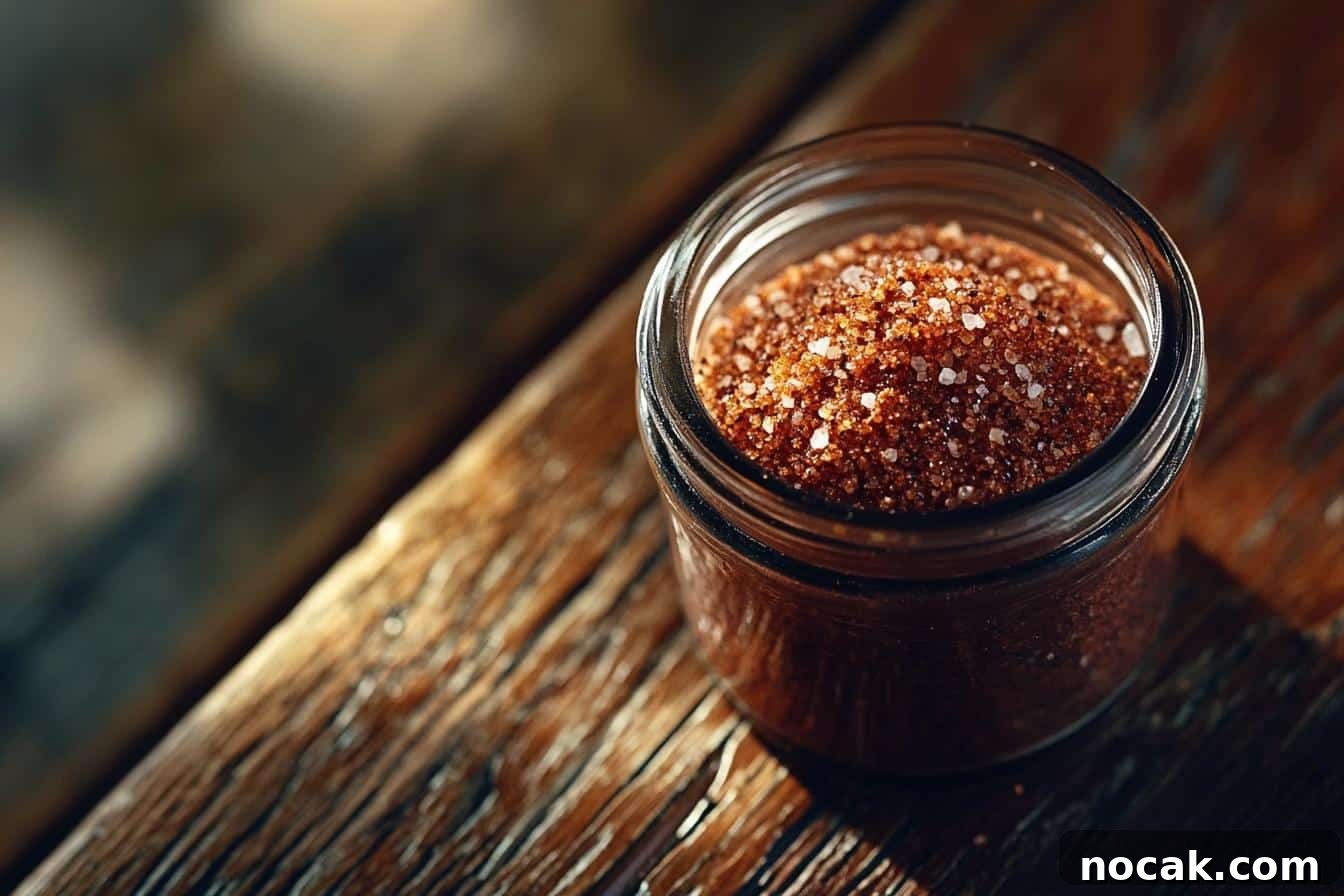
There’s nothing more disappointing than expecting tender, slow-smoked ribs and ending up with bland, under-seasoned meat. A great rib rub transforms average ribs into something memorable — a crisp, flavorful bark with deep, smoky complexity that keeps people coming back for more.
The right dry rub is the foundation of legendary barbecue. It builds bark, helps retain moisture, and layers flavor so the smoke, seasoning, and meat all sing together. While marinades have their place, especially for quick weeknight grilling, nothing beats a thoughtfully balanced dry rub for low-and-slow cooking.
Why a Good Rib Rub Matters
The Role of a Dry Rub in BBQ
A dry rub does more than season — it creates texture and concentrated flavor. Sugar caramelizes into a sweet crust, salt draws in and distributes flavor, and spices meld with smoke and heat to develop depth. The result should be ribs that are tender, well-seasoned, and rich with layered flavors.
Key Components of an Effective Rib Rub
Successful rubs balance sweet, salty, spicy, and smoky notes. Too much of one element overwhelms the meat; too little leaves it flat. Here are the essential building blocks.
The Essential Ingredients
1. Sugar (Caramelization & Sweetness)
- Brown sugar: deeper, richer sweetness and great for bark.
- White sugar: can burn faster; use cautiously.
- Alternative sweeteners: maple or honey powder for a unique profile.
2. Salt (Flavor Penetration & Moisture Retention)
- Kosher salt: coarse and easier to distribute evenly — a solid choice.
- Sea salt: fine varieties dissolve quickly; use according to preference.
- Avoid table salt in large amounts — it can taste sharp.
3. Paprika (Color & Mild Smokiness)
- Sweet paprika for a mild, slightly fruity base.
- Smoked paprika adds woodsy depth.
- Hot paprika if you want a gentle heat.
4. Heat Elements (Spice & Complexity)
- Ancho chili powder for gentle warmth.
- Cayenne for a pronounced, lingering heat.
- Chipotle powder for smoky heat with backbone.
5. Aromatics & Umami
- Garlic powder for savory depth.
- Onion powder to round flavors.
- Mustard powder for a subtle tang.
- Small amounts of umami boosters (like Worcestershire-derived powders) brighten the overall profile.
6. Black Pepper & Additional Spices
- Coarse black pepper provides a classic BBQ backbone.
- Optional dried herbs (oregano, thyme) add nuanced complexity when used sparingly.
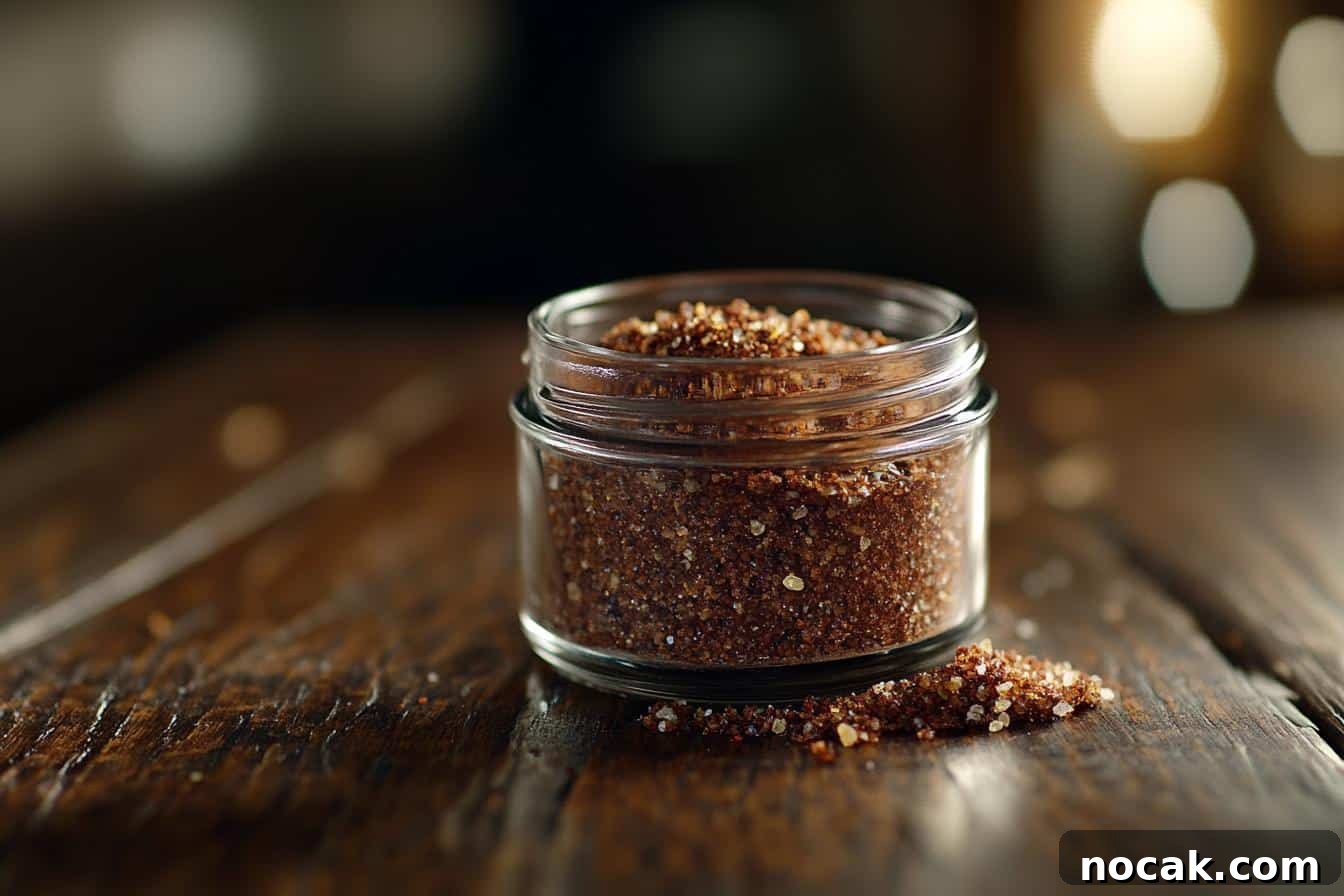
How to Apply a Rib Rub for Maximum Flavor
1. Prepping the Ribs
- Remove the membrane on the bone side — it’s tough and blocks flavor absorption.
- Use a light binder (mustard, oil, or apple cider vinegar) to help the rub adhere and promote a better bark.
2. Application Techniques
- Pat the rub onto the meat rather than aggressively rubbing, which can create clumps.
- Apply an even coat — too much overwhelms, too little underwhelms.
- Let the seasoned ribs rest: at least an hour, but overnight in the refrigerator is ideal for deeper penetration.
3. Cooking Tips for Perfectly Seasoned Ribs
- Low and slow is the golden rule — smoke and time work with the rub to develop flavor and tenderness.
- Avoid over-coating with rub; you want a balanced crust, not a spice overload.
The Science Behind Rib Rubs
The Maillard Reaction and Flavor Development
The Maillard reaction — the interaction of amino acids and sugars under heat — is responsible for the complex, savory crust you want on ribs. A well-formulated rub supplies both sugars and proteins that react under heat to produce rich aromas and texture.
How Different Ingredients Work Together
- Salt starts breaking down proteins for more tender, juicy meat.
- Sugar caramelizes into a sweet, complex bark.
- Spices and herbs combine with smoke to produce deep, layered flavor.
Troubleshooting & Common Mistakes to Avoid
1. Overpowering the Ribs with Too Much Rub
- If the meat tastes overwhelmingly salty or peppery, reduce the quantity next time.
2. Not Letting the Rub Set Properly
- Resting allows flavors to meld and penetrate; rushing this step reduces impact.
3. Applying the Rub at the Wrong Time
- Best practice: apply at least an hour before cooking; overnight refrigeration yields the best results.
4. Not Adjusting for Different Rib Cuts
- Baby back ribs are leaner — use a lighter hand.
- St. Louis–cut ribs are meatier and can handle a slightly heavier rub.
Storage and Shelf Life of Homemade Rib Rubs
How to Keep Rib Rubs Fresh
- Store rubs in airtight containers to minimize exposure to oxygen.
- Keep them in a cool, dry place away from heat and humidity to preserve potency.
- Label containers with the date — it’s easy to forget when you made a batch.
Signs a Rib Rub Has Gone Bad
- If the aroma has faded or smells off, discard the mix.
- Clumping indicates moisture contamination — make a fresh batch.
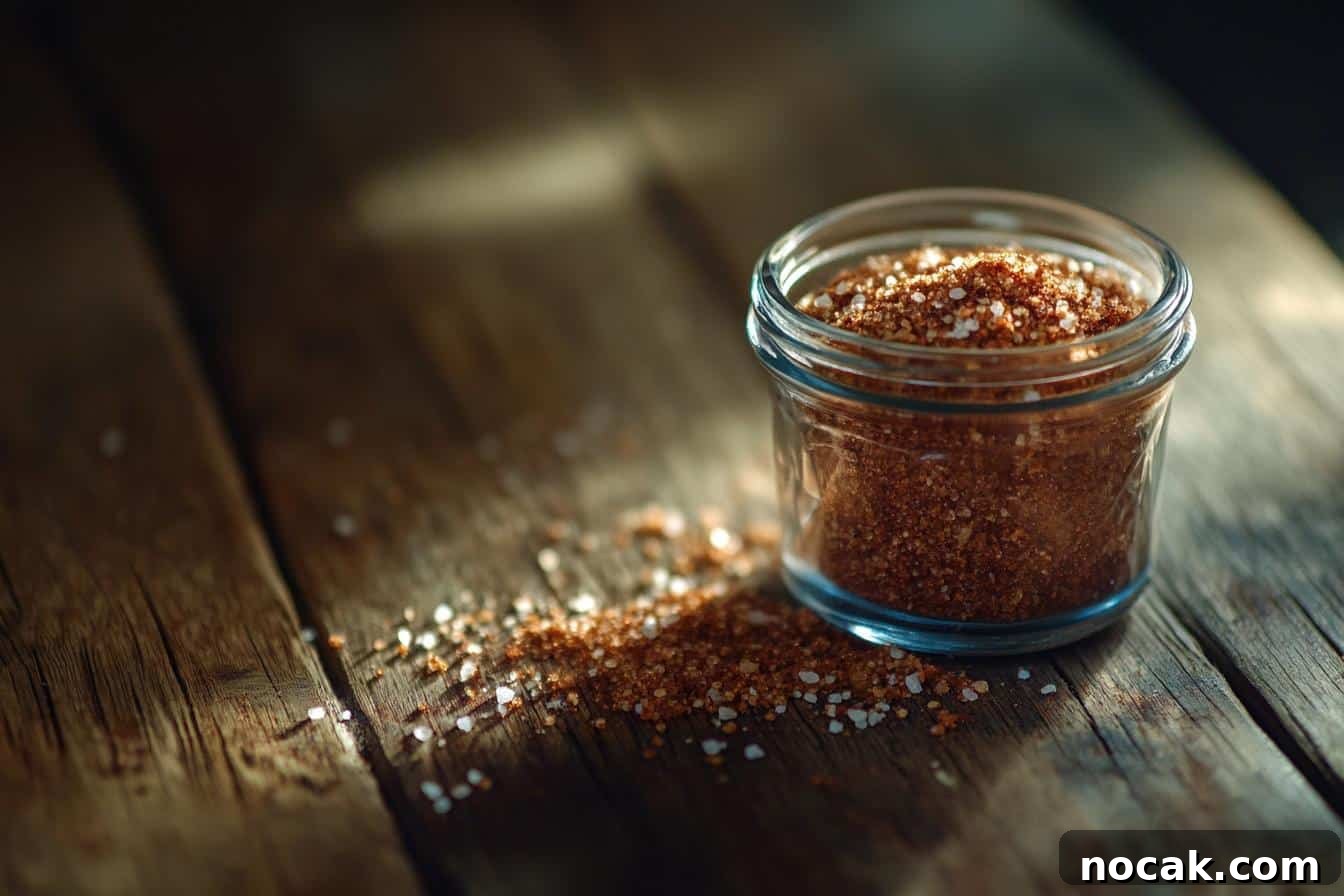
A truly great rib rub is more than seasoning — it’s barbecue alchemy. Find the balance of sweet, salty, spicy, and smoky that suits your taste, experiment with small tweaks, and you’ll soon be the person friends ask to bring ribs to every gathering.
Don’t be the person who under-seasons their ribs. With the right rub and technique, your ribs will be tender, flavorful, and unforgettable.
OTHER RECIPES YOU’LL LOVE
-
- Dry Rub Recipe For Chicken
- Dutch Oven Roast Chicken
- Dry Rub Recipe For Brisket
- Dutch Oven Hungarian Goulash
- Dutch Oven French Onion Soup
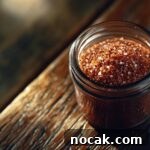
Good Rub Recipe For Ribs
Ingredients
- ½ cup packed dark brown sugar
- 2 tablespoons smoked paprika
- 1 tablespoon regular paprika
- 2 tablespoons kosher salt
- 2 teaspoons black pepper
- 2 tablespoons garlic powder
- 2 tablespoons onion powder
- 1 tablespoon chili powder
- 1 teaspoon ground mustard
- ½ teaspoon cayenne pepper
- 1 teaspoon ground cumin
- ½ teaspoon celery salt
- ¼ teaspoon cinnamon
Instructions
Mix the Dry Rub
-
Combine all ingredients in a medium bowl.
-
Use a fork or whisk to break up any clumps, especially in the brown sugar.
-
Stir until uniform in color and texture.
Prep the Ribs
-
Remove the membrane from the back of the ribs to help the rub penetrate.
-
Pat ribs dry so the rub adheres better.
-
Apply a thin binder (mustard or olive oil) to help the rub stick and to enhance the bark.
Apply the Rub
-
Coat the ribs evenly on all sides, pressing the mixture on gently.
-
Let the ribs rest for at least 30 minutes, or refrigerate overnight for deeper flavor.
-
If refrigerating, cover with plastic wrap or seal in an airtight container.
Cook the Ribs
-
This rub works with smoking, oven-baking, or grilling — choose your preferred method.
For Smoking (Best Method)
-
Set smoker to about 225°F (107°C).
-
Use hickory, apple, or cherry wood for balanced flavor.
-
Smoke for roughly 4–6 hours, spritzing with apple juice periodically for moisture.
For Oven-Baked Ribs
-
Preheat oven to about 275°F (135°C).
-
Wrap ribs tightly in foil and bake 2½–3 hours.
-
Unwrap, brush with sauce if desired, and broil a few minutes to crisp the top.
For Grilled Ribs
-
Preheat grill to medium (around 300°F / 150°C) and cook using indirect heat.
-
Grill 1½–2 hours, turning occasionally, until tender and nicely crusted.